2025 Top Cationic Surfactant Trends and Insights for Industrial Applications
In recent years, the industrial sector has witnessed a significant transformation, largely driven by the evolution of cationic surfactants. These versatile compounds, characterized by their positively charged molecules, play a crucial role in various applications, including detergents, personal care products, and industrial processes. As we look toward 2025, understanding the emerging trends and insights surrounding cationic surfactants becomes imperative for businesses aiming to remain competitive and innovative.
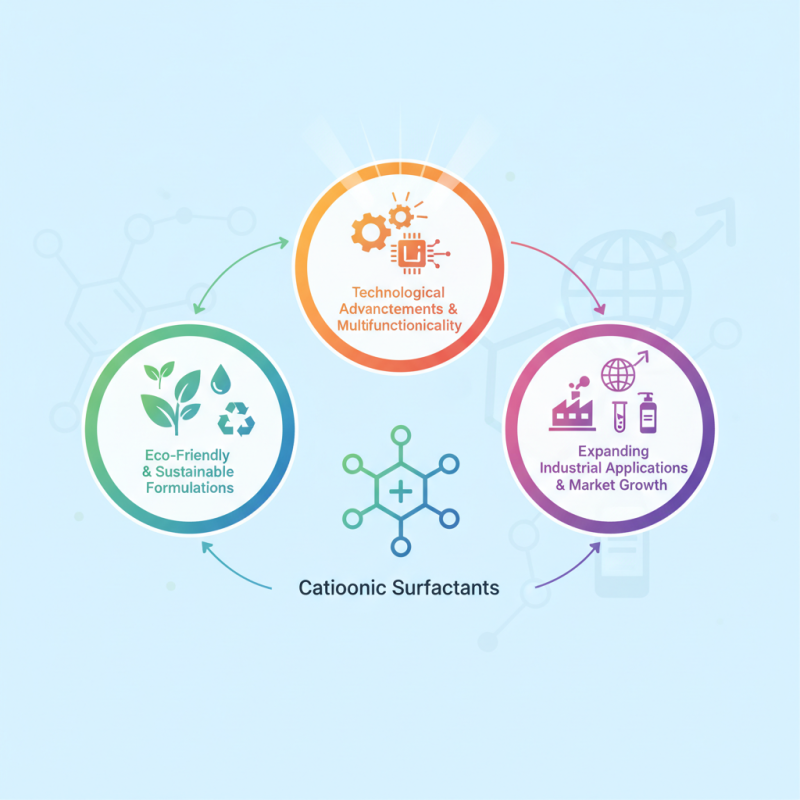
The demand for eco-friendly and sustainable formulations is reshaping the landscape of cationic surfactants, prompting manufacturers to explore bio-based alternatives and ensure compliance with environmental regulations. This shift reflects a broader commitment to sustainability within the industry, which not only enhances product efficacy but also addresses consumer preferences for greener solutions. Furthermore, advancements in technology are facilitating the development of more efficient and multifunctional cationic surfactants, leading to enhanced performance across various applications.
As industrial applications for cationic surfactants continue to expand, stakeholders must stay informed about these trends to leverage opportunities for growth and innovation. This article will delve into the key trends and insights related to cationic surfactants, offering a comprehensive overview of their impact on the future of industrial applications.
2025 Overview of Cationic Surfactants in Industrial Use
The landscape of cationic surfactants in industrial applications is evolving, driven by advancements in technology and growing environmental awareness. According to a recent industry report by MarketsandMarkets, the global cationic surfactants market is projected to reach approximately $6.7 billion by 2025, with a substantial compound annual growth rate (CAGR) of around 5.2%. This growth is propelled by their multifunctional properties, making them ideal for various applications such as textile, personal care, and agricultural industries.
In industrial settings, cationic surfactants are increasingly utilized for their efficacy in antimicrobial and conditioning applications. A segment analysis reveals that the textile industry is expected to dominate the cationic surfactant market, accounting for over 30% of the total share by 2025. These surfactants enhance fabric feel and durability, offering added value to manufacturers. Additionally, innovations in bio-based cationic surfactants, which are environmentally friendly and biodegradable, are gaining traction. Data from Grand View Research indicates a shift towards sustainable materials in manufacturing, aligning with consumer preferences for greener products, thereby influencing the formulation of cationic surfactants in industrial use.
Key Properties and Characteristics of Cationic Surfactants
Cationic surfactants are gaining significant traction in various industrial applications due to their unique properties and characteristics. These surfactants, which carry a positive charge, exhibit excellent antibacterial and antifungal properties, making them ideal for use in personal care products, fabric softeners, and industrial cleaning agents. According to a recent industry report, the global cationic surfactants market is projected to grow at a CAGR of 5.2% from 2021 to 2027, driven by rising consumer demand for eco-friendly and multifunctional products.
One of the key characteristics of cationic surfactants is their high surface activity, which enhances emulsification and stabilization processes. This characteristic is particularly beneficial in formulation chemistries where efficiency and performance are critical. Additionally, cationic surfactants can modify surface properties of materials, thereby improving adhesion and compatibility in various applications, such as coatings and textile treatments. A study highlighted that cationic surfactants can significantly improve the moisture retention abilities of fabrics, enhancing their feel and longevity.
Tips: When selecting cationic surfactants for your formulations, consider their compatibility with other ingredients to ensure optimal performance. Furthermore, pay attention to regulatory guidelines regarding the usage levels of these surfactants in different applications, as this can influence both product efficacy and compliance with safety standards. Exploring innovative cationic surfactant formulations can also lead to enhanced product functionalities, catering to evolving consumer preferences in the market.
Emerging Trends in Cationic Surfactant Formulations for 2025
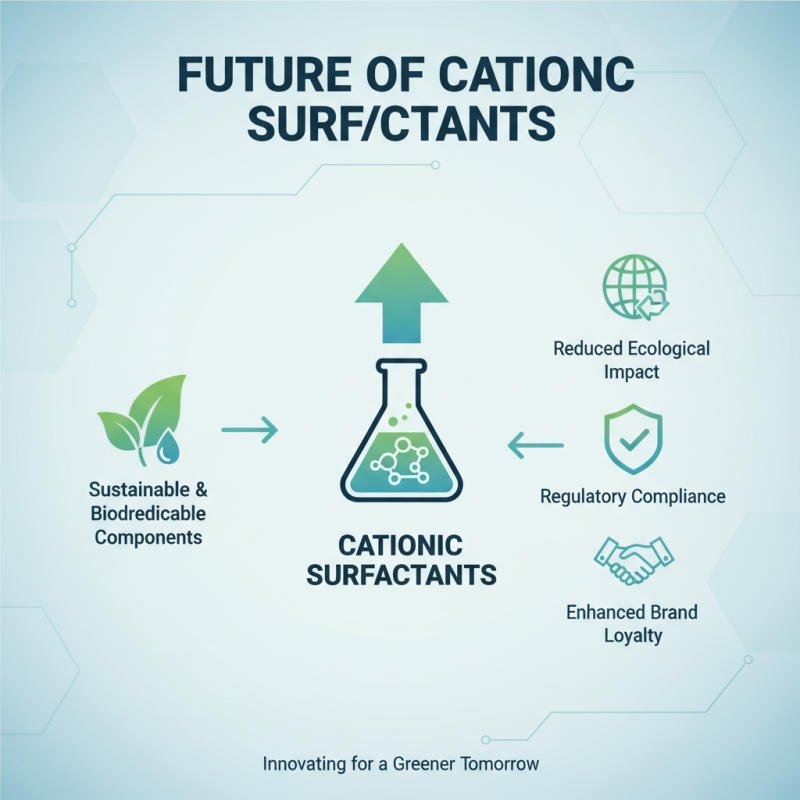
In the coming years, the formulations of cationic surfactants are set to evolve significantly, reflecting the growing demands of various industrial applications. One emerging trend is the increasing focus on sustainable and biodegradable components in cationic surfactant production. As environmental awareness rises, industries are moving towards formulations that minimize ecological impact while maintaining performance. This shift not only addresses regulatory pressures but also enhances brand loyalty among environmentally-conscious consumers.
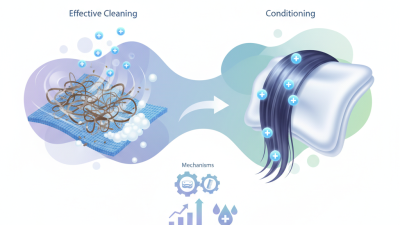
Another notable trend is the integration of innovative raw materials that enhance the efficiency and compatibility of cationic surfactants in diverse applications. For example, the development of multifunctional surfactants that provide not just cleaning but also conditioning and antimicrobial properties is gaining traction. These formulations are particularly relevant in sectors like personal care and home cleaning products, where products with multiple benefits are becoming increasingly desirable. Additionally, advancements in nanotechnology are paving the way for cationic surfactants that offer improved performance through enhanced penetration and stability in formulations. As the industry moves forward, these trends will shape the future landscape of cationic surfactant applications.
Industrial Applications of Cationic Surfactants: Current Insights
In recent years, cationic surfactants have gained traction in industrial applications due to their unique properties, including superior antimicrobial effectiveness and excellent wetting abilities. According to a market report by Mordor Intelligence, the cationic surfactant market was valued at approximately $4.2 billion in 2021 and is projected to grow at a CAGR of around 4.5% through 2026. This growth is driven by increasing demand in sectors such as personal care, textile, and oilfield chemicals, where the need for reliable and effective surfactants is paramount.
Current insights indicate that these surfactants play a pivotal role in various formulations, providing essential functions in emulsification, stabilization, and foaming. For instance, in personal care applications, cationic surfactants are indispensable for conditioning agents in hair care products, enhancing product performance and user experience. Additionally, their effectiveness in reducing static electricity makes them invaluable in textile finishing processes. A report by Research and Markets highlights the increasing integration of sustainable practices in the production of cationic surfactants, with companies exploring bio-based raw materials and environmentally friendly synthesis methods to meet regulatory standards and consumer expectations.
2025 Cationic Surfactant Trends in Industrial Applications
This chart illustrates the market share distribution of cationic surfactants across various industrial applications for the year 2025. Notably, the personal care and textile sectors lead the market, highlighting the significance of cationic surfactants in these industries.
Regulatory Considerations and Sustainability in Cationic Surfactants
Regulatory considerations in the surfactant industry, particularly for cationic surfactants, are increasingly pivotal as environmental sustainability becomes a paramount concern. According to the latest market analysis published by the European Surfactants Association, cationic surfactants are subject to stringent regulations due to their potential environmental impact and toxicity profile. Regulatory bodies, including the Environmental Protection Agency (EPA) and the EU's REACH framework, are emphasizing the need for sustainable sourcing and transparent supply chains. These regulations are driving innovation, as manufacturers seek to develop bio-based cationic surfactants that meet both performance and ecological standards.
In addition to regulatory pressure, market trends indicate a growing demand for sustainable cationic surfactants in various industrial applications, such as personal care, textiles, and agricultural products. The global market for cationic surfactants is projected to grow at a CAGR of approximately 4.5% from 2020 to 2025, as highlighted by a recent report from Allied Market Research. This growth is largely fueled by consumers’ shift towards eco-friendly products and the increasing emphasis on corporate social responsibility. Industrial players are now investing in research and development to create formulations that not only comply with regulations but also align with consumer expectations for sustainable and safe products.