Leave Your Message

2026 Top Nonionic Surfactant Trends and Innovations to Watch?

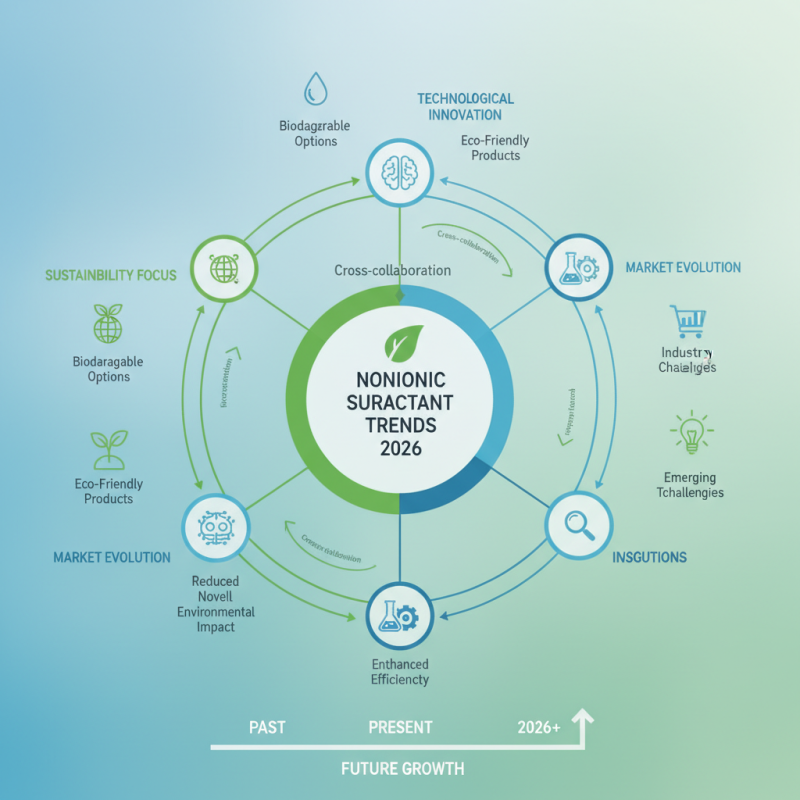
As we approach 2026, the landscape of nonionic surfactants is evolving rapidly. Companies increasingly focus on sustainability and innovation in this sector. With the rise of eco-friendly products, nonionic surfactants play a crucial role. They offer higher efficiency in various applications, from cleaning products to personal care.

However, industry challenges remain. Many manufacturers struggle to balance performance with environmental impact. The demand for biodegradable options is escalating. This shift requires a rethinking of traditional formulations. Emerging technologies, like AI, can assist in creating novel nonionic surfactants.

With innovations on the horizon, the upcoming 2026 events will showcase these trends. The integration of AI-driven solutions promises efficiency in sourcing quality materials. Buyers can find suppliers quickly and navigate complex offerings more effectively. The journey of enhancing nonionic surfactants is just beginning, and it is essential to reflect on both advancements and limitations in the field.
2026 Top Nonionic Surfactant Trends and Innovations to Watch?

Emerging Nonionic Surfactant Technologies for 2026

The landscape of nonionic surfactants is evolving rapidly. Advancements in green chemistry are driving the development of sustainable surfactants. These innovations focus on biodegradable materials. They reduce environmental impact significantly. Many industries are exploring this direction.

Emerging technologies include the use of renewable resources. Bio-based raw materials are becoming more prevalent. Researchers are discovering new formulations that offer high efficiency. However, creating effective nonionic surfactants with minimal ecological footprints is challenging. The balance between performance and sustainability remains a critical question.

A promising area is the design of multifunctional surfactants. These materials can serve various roles in formulations. Yet, the complexity of mixing and stability could pose issues. Companies must explore new ways to test and validate these innovations. Continuous improvement is necessary to meet market demands while ensuring safety and efficiency.

2026 Top Nonionic Surfactant Trends and Innovations to Watch

Trend/Innovation Description Potential Applications Environmental Impact
Biodegradable Nonionic Surfactants Surfactants designed to break down more quickly in the environment. Household cleaning products, personal care items. Lower environmental footprint, reduced pollution.
Smart Surfactants Surfactants that respond to environmental changes, such as pH or temperature. Cosmetics, advanced detergents. Variable impact based on application; potential for reduced usage.
Green Chemistry Approaches Using renewable feedstocks and sustainable methods for surfactant production. Industrial applications, agrochemicals. Significantly reduces carbon footprint and waste generation.
Microbial Surfactants Surfactants produced by microorganisms, promoting a sustainable production cycle. Oil recovery, bioremediation. Lower impact on ecosystems compared to traditional surfactants.
Performance Enhancers Nonionic surfactants that improve the efficacy of cleaning products. Household and industrial cleaning, textiles. Potential for reduced chemical usage and waste.

Sustainability Innovations in Nonionic Surfactants

The nonionic surfactant industry is experiencing significant shifts toward sustainability. Environmental concerns are forcing manufacturers to rethink their processes. This evolution is driven by the need for greener ingredients and methods. Natural sources are becoming more popular. Many surfactants are now derived from renewable resources, reducing dependency on petroleum.

A noticeable trend is the development of biodegradable surfactants. These products decompose more easily, lessening their impact on ecosystems. Innovations often incorporate techniques that lower energy consumption during production. However, these approaches are not without challenges. Balancing performance with eco-friendliness remains a complex task.

Tips: Always look for solid certifications when choosing sustainable products. Not all claims are equal; scrutiny is essential. Engage with suppliers who prioritize transparency about their sourcing and manufacturing processes. This ensures that your choices support genuine sustainability efforts. Don't overlook the importance of consumer education in this rapidly changing marketplace.

Market Trends Influencing Nonionic Surfactant Development

The nonionic surfactant market is experiencing significant transformations. Growing environmental concerns challenge traditional manufacturing practices. Companies are exploring greener alternatives. Innovations are emerging, aimed at enhancing biodegradability and reducing toxicity. This shift is crucial for sustainability.

Regulations play a pivotal role in shaping market trends. Stricter guidelines demand safer formulations. Manufacturers are racing to comply, often leading to rushed development. Some products fall short of performance expectations. This gap highlights the need for thorough testing.

Consumer preferences are changing rapidly. There’s a noticeable demand for multifunctional products. Buyers seek efficiency without compromising safety. This trend pushes brands to innovate, but not all succeed. Some designs lack scalability, stalling progress. Understanding market dynamics is key for future advancements.

Application Areas Driving Nonionic Surfactant Demand

2026 Top Nonionic Surfactant Trends and Innovations to Watch?

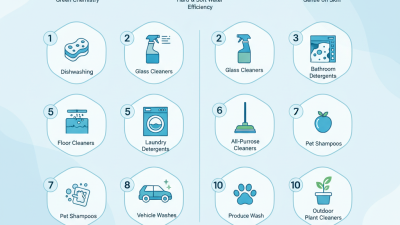
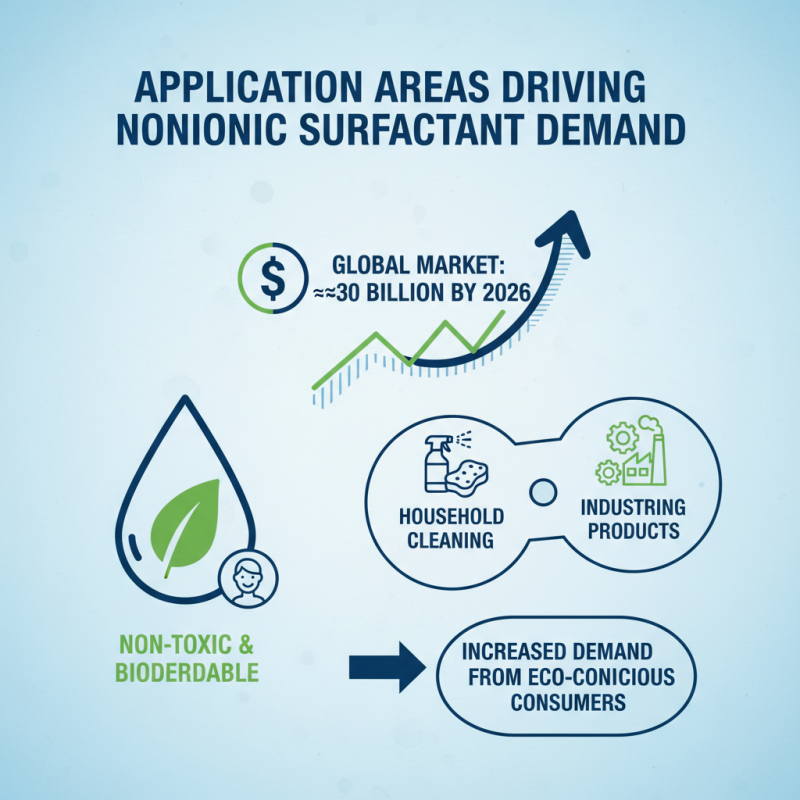
The rising demand for nonionic surfactants is closely linked to various application areas. The global market is projected to grow significantly, reaching approximately $30 billion by 2026, according to recent industry reports. This growth is driven largely by their use in household and industrial cleaning products. The non-toxic and biodegradable nature of nonionic surfactants makes them increasingly popular among eco-conscious consumers.

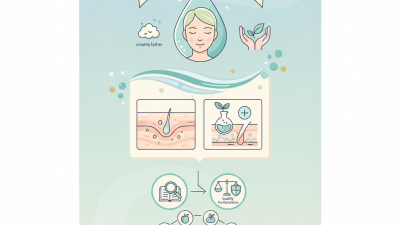
In the personal care sector, nonionic surfactants are favored for their ability to create mild formulations. These surfactants enhance the texture and viscosity of products. They are critical in formulations like shampoos and lotions. A notable trend is their use in natural and organic products, valued at over $20 billion in recent years. This shift indicates a consumer preference for safer ingredients.

Additionally, the agricultural sector shows a growing demand for nonionic surfactants. They improve the efficacy of pesticides and herbicides. As agriculture advances towards sustainability, nonionic surfactants offer a viable solution. However, there is an ongoing challenge to ensure these products remain effective while being environmentally friendly. As the landscape evolves, industry players need to constantly innovate and adapt to these pressures.

Regulatory Changes Impacting Nonionic Surfactant Use in 2026

In 2026, regulatory changes will significantly impact nonionic surfactants. The demand for sustainable and eco-friendly ingredients is escalating. According to a recent industry report, it is projected that the nonionic surfactant market will grow by 5.7% annually. This growth is driven by increasing regulations focused on environmental safety.


New regulations are pushing manufacturers to reconsider their compositions. The European Union’s REACH regulation will likely affect many nonionic surfactants. Compliance often necessitates reformulations, which can be costly and time-consuming. Companies may struggle to meet both regulatory requirements and market demands.


Developers are innovating at a rapid pace to align with these trends. Biodegradable options are on the rise, yet these products may not meet consumer expectations. Balancing effectiveness with environmental responsibility poses a challenge. As companies adapt, the market may experience volatility. Staying informed is crucial for navigating this evolving landscape.