2026 Top Nonionic Surfactants What You Need to Know?
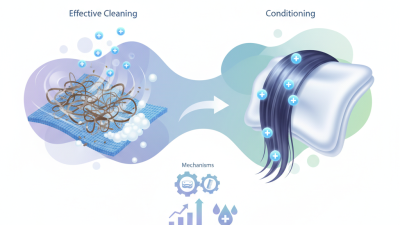
In 2026, understanding Nonionic Surfactants becomes essential for various industries. These surfactants play a crucial role in formulating cleaning products, cosmetics, and agricultural chemicals. They are known for their ability to reduce surface tension without ionizing. This property makes them versatile and effective in a range of applications.
Nonionic Surfactants are popular due to their stability in different pH levels. However, they can sometimes be overlooked in favor of ionic options. It's vital to recognize their benefits, as well as their limitations. Some may not offer the same level of performance in certain conditions. Evaluating their effectiveness is necessary for optimal results.
The shift towards eco-friendly products has increased interest in Nonionic Surfactants. Companies must adapt to changing consumer preferences while maintaining product integrity. Despite their advantages, choosing the right surfactant requires thoughtful consideration. Looking ahead, the landscape of Nonionic Surfactants will continue evolving.

Overview of Nonionic Surfactants in Various Industries
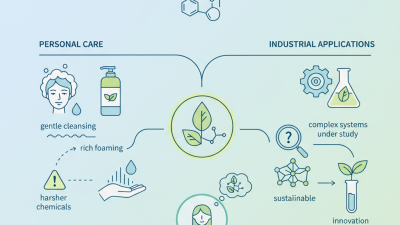
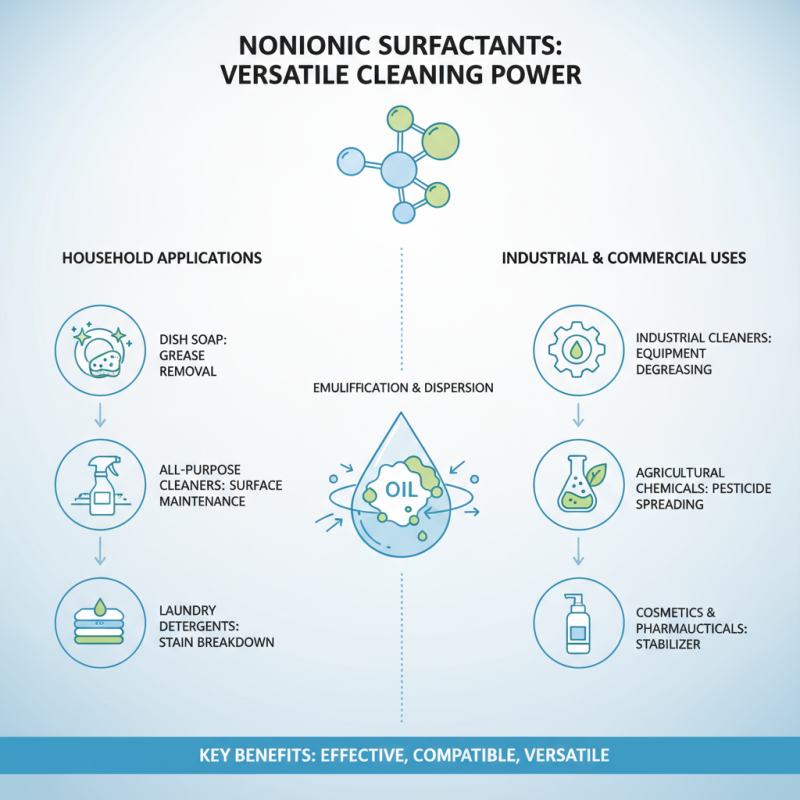
Nonionic surfactants play a vital role across various industries. In agriculture, they help enhance pesticide effectiveness. These compounds improve the spread and adhesion of active ingredients on plant surfaces.
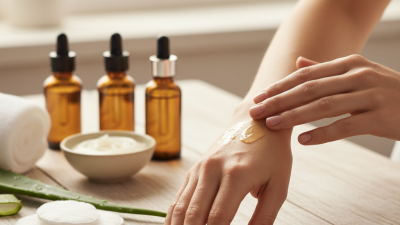
In personal care products, nonionic surfactants are gentle on the skin. They help create emulsions in lotions and creams. Their ability to reduce surface tension makes formulations smoother.
Tips: Choose surfactants that align with your goals. Test small batches before larger productions. Remember that some nonionic surfactants might not mix well with certain ingredients. Always check compatibility.
In household cleaning, these surfactants improve stain removal. They work effectively in both hard and soft water. However, their environmental impact can be a concern. It's important to select biodegradable options whenever possible.
Tips: Research the environmental impact of your choices. Stay updated on regulations regarding surfactant use. Experiment with different formulations to optimize performance.
Key Characteristics and Benefits of Nonionic Surfactants
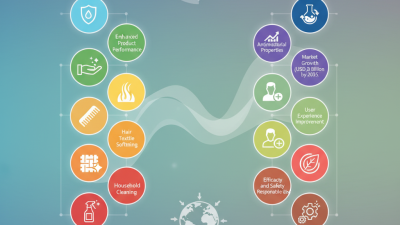
Nonionic surfactants are gaining recognition in various industries. They are well-regarded for their unique properties. These surfactants are versatile and widely used in formulations. They don't carry a charge, making them compatible with a range of other ingredients. This characteristic leads to improved stability in products. A recent market report estimates that nonionic surfactants will account for 25% of the surfactant market by 2026.
The benefits of nonionic surfactants are significant. They are less sensitive to changes in pH and electrolytes. This trait allows for greater flexibility in applications. Industries like cosmetics and personal care heavily rely on these surfactants. They help create gentle cleansers that effectively remove dirt and oil without irritating the skin. Additionally, they enhance the efficacy of active ingredients in formulations. However, their performance can sometimes vary based on formulation components, requiring careful optimization.
Despite their advantages, challenges exist. Nonionic surfactants may not perform as well in very hard water conditions. This variability means formulation developers must closely examine their use. Understanding the balance between effectiveness and formulation requirements is key. As the demand for sustainable options grows, nonionic surfactants could face scrutiny. Industries must navigate these challenges for optimal product development.
2026 Market Trends and Predictions for Nonionic Surfactants
The market for nonionic surfactants is evolving rapidly. In 2026, growth is expected to be driven by diverse applications. These surfactants are vital in industries like personal care, agriculture, and textiles. Their efficiency and mildness make them popular choices. However, the rising demand also poses challenges in sourcing sustainable ingredients.
Tips: Focus on suppliers who prioritize eco-friendly options. Sustainability is key in this market shift. Additionally, monitor regulatory changes that could affect ingredient usage.
In 2026, trends suggest an increase in bio-based nonionic surfactants. Consumers are becoming more environmentally conscious. They prefer products with natural ingredients. Brands must adapt to these preferences. This shift may require reformulating existing products, which can be both costly and complex. Balancing performance with eco-friendliness is a challenging task.
Tips: Conduct consumer surveys to understand preferences better. This can guide product development. Also, consider collaborating with suppliers for innovative solutions. Embrace change as an opportunity for growth.
Applications of Nonionic Surfactants in Household and Industrial Products
Nonionic surfactants play a crucial role in various household and industrial applications. These surfactants are popular due to their versatility and compatibility with different formulations. In household products, they help with cleaning and maintaining surfaces. They can easily break down grease and dirt, making them essential in many cleaning agents.
In industrial settings, nonionic surfactants are used in processes like emulsification, wetting, and foaming. They create stable mixtures that enhance product performance. For instance, in the textile industry, they help in dyeing processes, ensuring even color distribution. However, the environmental impact of these substances warrants attention. Some may resist biodegradation, raising concerns about long-term effects.
While nonionic surfactants are effective, their use should be reconsidered. It is important to find a balance between performance and environmental safety. Ongoing research aims to develop more sustainable alternatives. The industry needs to reflect on the implications of widespread use. Ultimately, a push towards greener surfactants could lead to better products for both consumers and the planet.
Environmental Impact and Safety Considerations of Nonionic Surfactants
Nonionic surfactants are commonly used in various products, but their environmental impact is significant. Their use can lead to aquatic toxicity. Nonionic surfactants can harm aquatic life during their breakdown process. They often enter water systems through household and industrial products, raising concerns about biodiversity.
Understanding the safety of nonionic surfactants is essential. While they tend to be less irritating than anionic surfactants, prolonged exposure can still pose health risks. It’s crucial to assess their effects thoroughly. Recognizing that not all nonionic surfactants are created equal can lead to better choices in formulation.
Tips:
- Always check the ingredients in your cleaning supplies.
- Choose products with eco-friendly labels.
- Educating yourself about alternative ingredients can help reduce your footprint.
- Consider using them sparingly to mitigate environmental impacts.
Small changes can make a difference over time, but ongoing awareness is vital.