Top Amino Acid Surfactant Benefits in Skincare and Cleaning Products?
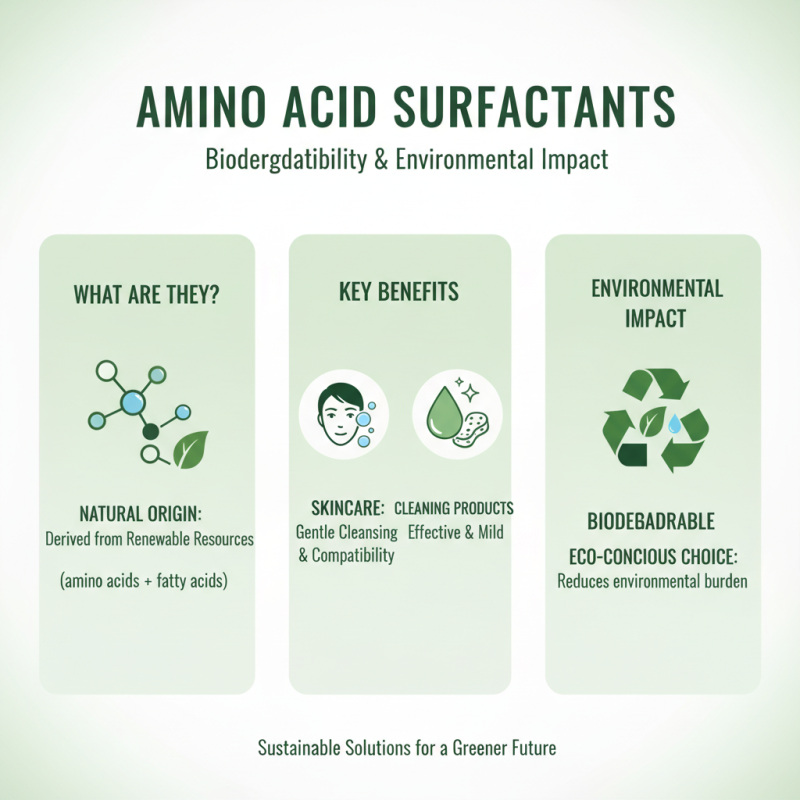
Amino Acid Surfactants have gained popularity in skincare and cleaning products. These ingredients are derived from natural sources and offer a gentle yet effective cleansing action. According to a recent market analysis, the global surfactant market is expected to reach $49 billion by 2025, with amino acid surfactants playing a significant role in this growth.
Research indicates that amino acid surfactants are less irritating compared to traditional surfactants. They help maintain skin barrier function and hydration. For instance, a study showed that formulations containing amino acid surfactants led to a 30% increase in moisture retention. Despite their benefits, some formulations may still cause sensitivity in certain skin types. Therefore, their use should be tailored to individual needs.
While amino acid surfactants provide many advantages, not all products are created equal. Consumers should seek formulations that combine these surfactants with complementary ingredients for optimal results. As the industry continues to innovate, understanding these nuances will be essential for skincare manufacturers and consumers alike.
Top Benefits of Amino Acid Surfactants in Skincare Products
Amino acid surfactants offer numerous benefits for skincare products. These ingredients are derived from natural sources. They are gentle, making them suitable for sensitive skin. These surfactants help to cleanse without stripping moisture. As a result, your skin retains its natural barrier.
Here’s a tip: Look for products that list amino acid surfactants. They often provide hydration while cleansing. This can be particularly beneficial during dry seasons. Also, consider your skin type. Some people may not react well, so testing is essential.
Another benefit is their ability to create a rich lather. This can enhance your cleansing experience. Yet, not all lathers are equal. Customers must note that a thick foam doesn't always mean better cleaning. Sometimes, less is more. Overusing products can lead to skin irritation, so moderation is key.
Incorporating amino acid surfactants can elevate your skincare routine. They support skin health while ensuring effective cleansing. However, balance in use and awareness of individual reactions are crucial for achieving the best results.
Top Benefits of Amino Acid Surfactants in Skincare Products
Role of Amino Acid Surfactants in Enhancing Skin Moisture Retention
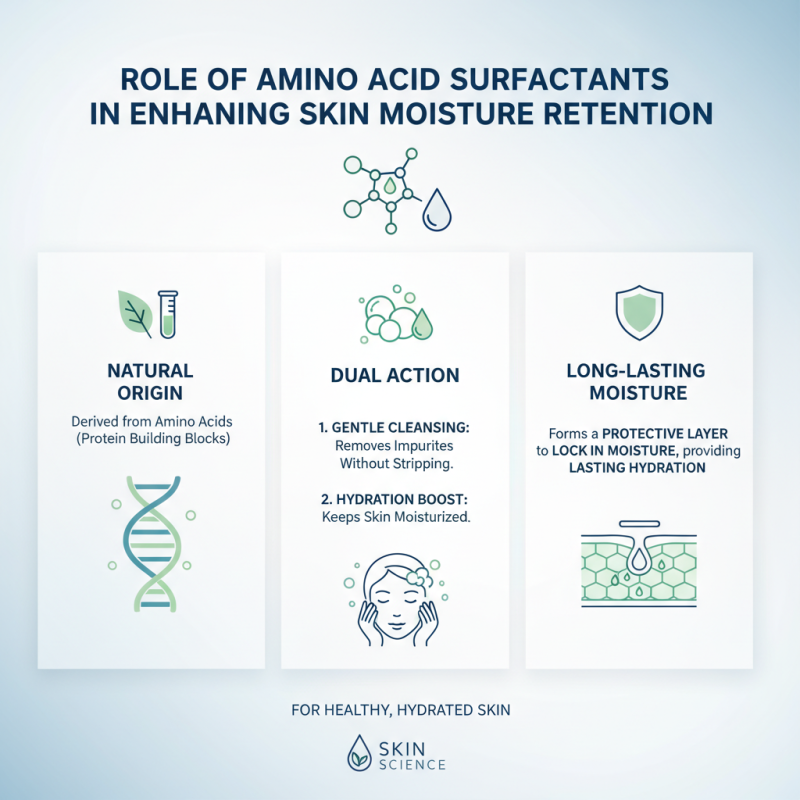
Amino acid surfactants play a crucial role in skincare by enhancing skin moisture retention. These natural ingredients are derived from amino acids, which are the building blocks of proteins. They have gentle cleansing properties while ensuring the skin remains hydrated. By forming a protective layer, they help lock in moisture, providing lasting hydration.
In addition to their moisture-retaining abilities, amino acid surfactants improve the overall skin barrier function. They can help reduce trans-epidermal water loss, which is essential for maintaining healthy skin. Users often notice a softer, smoother texture after incorporating these surfactants into their routines. However, some may find that depending solely on these ingredients may not yield visible results immediately.
It's important to consider that individual skin types vary greatly. What works for one may not work for another. Experimentation with different formulations may be necessary. Although amino acid surfactants are generally gentle, some skin types might react differently. Always pay attention to how your skin responds. This reflective approach can lead to better choices in your skincare routine.
Amino Acid Surfactants: Biodegradability and Environmental Impact
Amino acid surfactants are gaining attention for their unique benefits in both skincare and cleaning products. Their natural origin makes them appealing. These surfactants are derived from renewable resources, presenting a biodegradable option for eco-conscious consumers.
Environmental studies show that amino acid surfactants are less toxic compared to traditional surfactants. A report from the Journal of Surfactants and Detergents highlights that these compounds break down more quickly in aquatic environments. This means they leave a smaller ecological footprint. This biodegradability is crucial. For instance, 90% of amino acid surfactants can decompose within weeks, while some synthetic counterparts persist for months.
However, there are challenges. The production process for amino acid surfactants often involves heavy processing. This can lead to higher energy consumption and significant emissions. Furthermore, some amino acid surfactants may still contain impurities that could affect their overall safety profile. Balancing their eco-friendliness with production impacts is a complex task. As the industry evolves, ongoing research is essential to optimize these surfactants while minimizing environmental harm.
Comparative Analysis of Amino Acid Surfactants and Traditional Surfactants
Amino acid surfactants have gained attention in skincare and cleaning products. They provide a gentle touch while cleaning effectively. Unlike traditional surfactants, which can be harsh, amino acid surfactants offer a milder alternative. This gentleness is particularly beneficial for sensitive skin.
These surfactants have excellent foaming properties. They create a rich lather that feels luxurious. In contrast, traditional surfactants may strip away moisture, leaving skin dry and irritated. However, not all amino acid surfactants are created equal. Some formulations may still cause irritation, particularly in individuals with allergies. Always patch test new products to ensure compatibility.
**Tip:** Look for products labeled with “amino acid surfactants” for a gentler clean. Consider checking ingredient lists for less irritating options. Monitor your skin's response after using new products. Adjust your routine accordingly for the best results.
Consumer Preferences: Why Amino Acid Surfactants Are Gaining Popularity
Amino acid surfactants are becoming increasingly popular in skincare and cleaning products. Consumers are leaning towards these ingredients for several reasons. They are gentle on the skin, making them suitable for sensitive types. Many people appreciate their mildness. This is crucial for those who experience irritation with harsher detergents.
Moreover, amino acid surfactants provide excellent cleansing power without stripping natural oils. They create a rich lather that many find satisfying. Users often report a softer feel after use. This effective cleansing is combined with the nurturing properties of amino acids, enhancing the overall experience.
However, some consumers may not fully understand how these ingredients differ from traditional surfactants. There's a gap in knowledge that brands need to address. As awareness grows, more buyers are asking questions about product ingredients. They want transparency and effectiveness. Companies must supply this information to meet consumer demand. Yet, not all products labeled as containing amino acids deliver the promised benefits. This inconsistency can lead to disappointment.
Many consumers might find it hard to choose the right option, emphasizing the need for clear education and honest marketing.