What is Anionic Surfactant and How Does it Work?
Anionic surfactants play a crucial role in various industries, including cleaning products and personal care items. These compounds possess a negatively charged head, enabling them to interact with positively charged dirt and oil. As a result, they effectively break down and remove unwanted substances.
With a strong affinity for water, anionic surfactants create stable emulsions and foams. This property makes them essential in formulating efficient detergents. Users often appreciate the cleaning power they provide. However, the environmental impact of these surfactants is an area that requires further exploration.
While anionic surfactants exhibit excellent performance, their effectiveness can vary based on concentration and formulation. This inconsistency sometimes leads to concerns regarding their safety and usability. It is vital to balance efficacy with environmental stewardship, ensuring the best outcomes for consumers and ecosystems alike. Understanding the intricacies of anionic surfactants can guide better product choices and foster responsible usage.
What Are Anionic Surfactants?
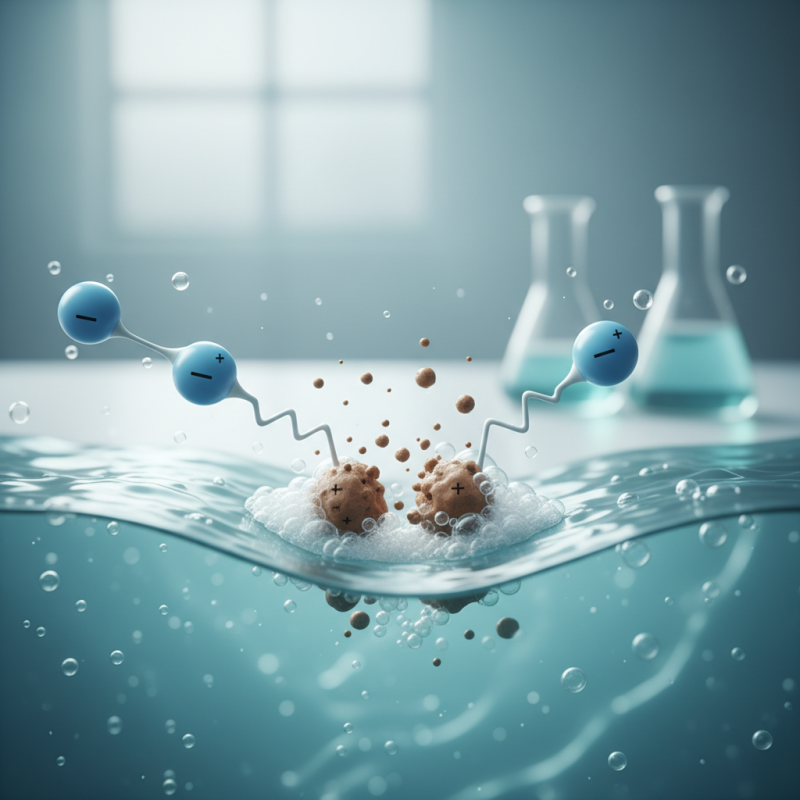
Anionic surfactants are a type of surface-active agent characterized by their negative charge. Common in cleaning products, they help reduce surface tension. This property allows them to effectively break down dirt and grease. For instance, when added to water, anionic surfactants create micelles that trap oil and dirt particles. This action makes it easier to wash them away.
The versatility of anionic surfactants extends to various applications. They are used in household cleaners, laundry detergents, and personal care products. Their effectiveness is often influenced by pH levels and water hardness. However, not all applications yield the desired results. Some users find that while anionic surfactants are powerful, they can be harsh on sensitive skin or certain fabrics. Exploring the balance between effectiveness and safety is essential in their use.
Understanding anionic surfactants requires knowledge of their chemistry. Their molecular structure allows for both hydrophobic and hydrophilic interactions. This unique feature enhances their functionality but can also lead to potential environmental concerns. Responsible usage and awareness of their impact are vital in today's eco-conscious market. Such considerations drive the ongoing discussion about finding sustainable alternatives.
Chemical Structure of Anionic Surfactants
Anionic surfactants are critical components in various industries, particularly in cleaning products. Their unique chemical structure includes a
negatively charged hydrophilic head and a hydrophobic tail. This dual nature allows them to interact effectively with
water and oily substances. The hydrophilic head attracts water, while the hydrophobic tail binds with oils and grease. This interaction promotes the emulsification of oils and the reduction of surface tension.
The industry acknowledges their effectiveness. According to a report by the
Global Surfactants Market Research, anionic surfactants account for about
54% of the total surfactants used globally. This high demand highlights their importance in formulations for detergents and personal care items. However, there are some concerns regarding their environmental impact and degradation rates, which require ongoing assessment.
Tips: Consider formulations with biodegradable anionic surfactants. These options can reduce environmental harm while maintaining cleaning efficiency. Always review the concentration levels in products, as excessive use can lead to unwanted residues.
Balancing efficacy with environmental considerations is vital to developing sustainable products.
Mechanism of Action in Cleaning Applications
Anionic surfactants are vital in cleaning applications due to their unique molecular structure. They have a hydrophilic head and a hydrophobic tail. This allows them to effectively reduce surface tension and interact with grime and grease. When applied, the hydrophobic tail binds to oils and dirt, while the hydrophilic head remains in the water. This interaction facilitates the removal of contaminants from surfaces.
Studies reveal that anionic surfactants can enhance cleaning efficacy significantly. For instance, a report by the American Cleaning Institute notes that these surfactants can improve soil removal rates by up to 85%. However, factors like water hardness and formulation pH can affect their performance. Using anionic surfactants in hard water may lead to less effective cleaning due to the precipitation of calcium and magnesium ions.
Tip: Always test surfactant solutions on small areas prior to widespread use. This ensures compatibility with various surface types.
Additionally, it is essential to consider environmental impacts. While effective, some anionic surfactants can be harmful to aquatic life. Selecting biodegradable options can help mitigate this issue.
Tip: Review product labels to find eco-friendly formulations that meet your specific cleaning needs.
What is Anionic Surfactant and How Does it Work? - Mechanism of Action in Cleaning Applications
| Property |
Description |
| Definition |
Anionic surfactants are surfactants with a negatively charged hydrophilic head, used in cleaning products. |
| Common Types |
Sodium lauryl sulfate, linear alkylbenzene sulfonates (LABS). |
| Mechanism of Action |
They lower surface tension and interact with water and oils to enhance cleansing. |
| Applications |
Used in household cleaners, detergents, shampoos, and industrial cleaners. |
| Advantages |
Effective at removing dirt, grease, and bacteria; low-cost production. |
| Environmental Impact |
Biodegradable options exist, but some types can contribute to water pollution. |
Applications of Anionic Surfactants in Industry
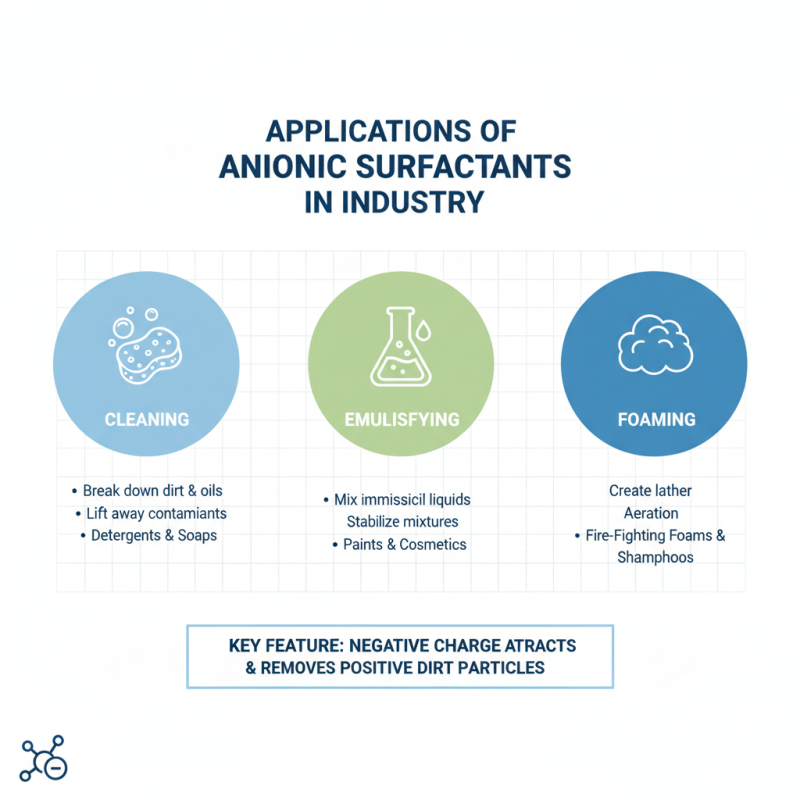
Anionic surfactants are essential in various industrial applications. They are effective in cleaning, emulsifying, and foaming. Their negative charge makes them particularly good at interacting with dirt and oils. This interaction allows them to break down and lift away contaminants, making them invaluable in cleaning products.
In the textile industry, anionic surfactants help in dyeing and finishing processes. They enhance color uptake and improve fabrics' feel. They ensure that dyes adhere evenly. However, the choice of surfactant is crucial. Not all surfactants work well with every dye or fabric type.
In agriculture, they facilitate pesticide and herbicide application. By improving wetting and spreading, they enhance the effectiveness of these chemicals. Surfactants can help reduce the amount of chemical needed, leading to lower costs. Yet, one must be careful. Overuse can lead to environmental concerns.
Tips: Always consider the end application when selecting anionic surfactants. Test compatibility with other ingredients. Conduct small-scale tests to gauge effectiveness before large applications.
Environmental Impact and Safety Considerations
Anionic surfactants are widely used in household and industrial cleaning products due to their effectiveness in reducing surface tension. However, their environmental impact raises concerns. When these compounds enter waterways, they can disrupt aquatic ecosystems. Anionic surfactants often remain persistent in the environment, posing risks to fish and other wildlife.
While many manufacturers are making strides in developing biodegradable options, not all products meet these standards. Some anionic surfactants can be toxic at certain concentrations, leading to harmful effects on marine life. The cumulative effect of these substances can linger in sediments, affecting the health of aquatic habitats.
Addressing these safety considerations is crucial. Efforts must focus on balancing efficacy and environmental safety. More research is needed to understand the long-term impact of anionic surfactants. Consumers can make a difference by choosing eco-friendly alternatives. Becoming aware of product ingredients fosters healthier choices for the planet.
Anionic Surfactant Usage and Environmental Impact
Anionic surfactants are widely used in various industries, including household cleaning, personal care, industrial detergents, and agricultural applications. This chart illustrates the percentage of usage in these categories, highlighting the significant presence of these surfactants in everyday products and their potential environmental impact due to their widespread use.