Top 10 Benefits of Amino Acid Surfactants for Skin Health?
Amino Acid Surfactants have become increasingly important in skin health. These compounds play a vital role in skincare products. Dr. Emily Carter, a leading expert in dermal biochemistry, once stated, "Amino Acid Surfactants provide a gentle yet effective cleansing action." This highlights their unique position in the beauty industry.
These surfactants offer numerous benefits. They help maintain the skin's moisture balance while effectively removing impurities. Many people notice an improvement in skin texture and hydration. However, not all Amino Acid Surfactants are created equal. Some formulations may still irritate sensitive skin, necessitating careful selection.
As we explore the top 10 benefits of Amino Acid Surfactants, it's crucial to consider individual skin types. Everyone's skin reacts differently to products. What works well for one person may not for another. This variability reminds us that skincare is very personal.
Understanding Amino Acid Surfactants and Their Role in Skincare
Amino acid surfactants play a vital role in skincare. They are derived from natural sources and are known for their gentle cleansing properties. This makes them suitable for all skin types, especially sensitive skin. Research shows that these surfactants help maintain the skin's natural moisture barrier. They promote hydration while effectively removing dirt and oil, which can lead to healthier skin over time.
Studies indicate that amino acid surfactants can improve skin elasticity. A report from the Journal of Cosmetic Dermatology highlights that amino acids can enhance collagen production. This is significant for maintaining youthful skin. Furthermore, they exhibit mild antibacterial properties, which help in preventing breakouts. Some findings suggest that these surfactants can also reduce irritation compared to conventional cleansers.
However, not all products containing amino acid surfactants are formulated equally. Consumer awareness about specific ingredient concentrations is essential. Users should be aware of their own skin's needs. Some formulations may still contain other additives that could irritate sensitive skin. Therefore, a careful selection of products is necessary for optimal results. Balancing cleansing and moisturizing properties is crucial. The right formulation can lead to noticeable improvements in skin health.
Top 10 Benefits of Amino Acid Surfactants for Skin Health
Amino acid surfactants offer numerous benefits for skin health, making them a valuable addition to skincare formulations. The chart above highlights their key benefits, with scores reflecting their effectiveness in various areas significant to skin care. These surfactants not only help in cleansing but also provide moisturizing and skin-friendly properties, making them suitable for a wide range of skin types.
Skin Hydration: How Amino Acid Surfactants Improve Moisture Retention
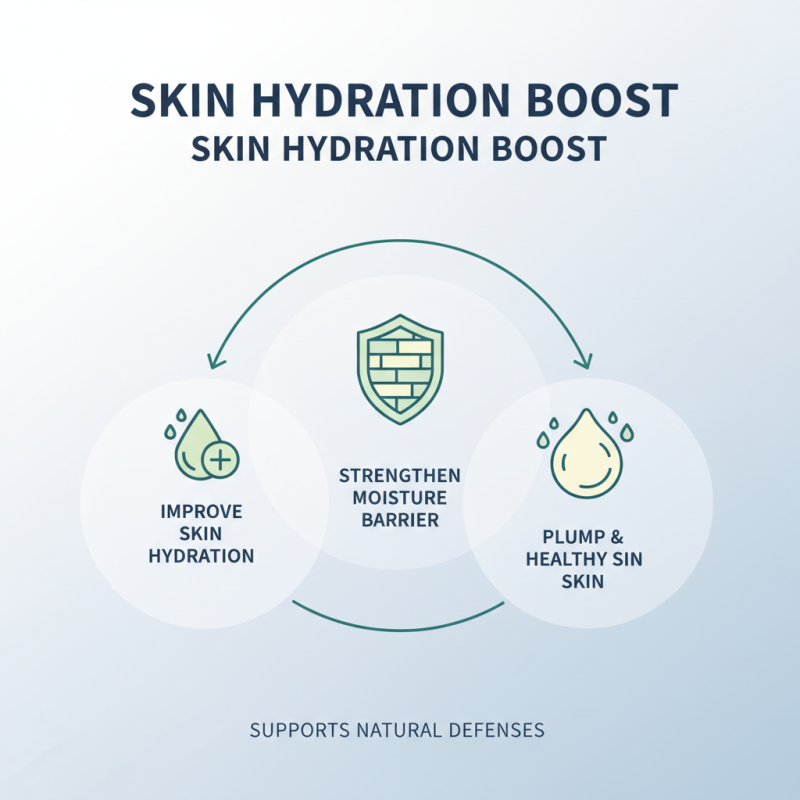
Amino acid surfactants are gaining recognition for their skin health benefits. One of their standout features is improving skin hydration. They work by supporting the skin's natural moisture barrier. This barrier is crucial for retaining water and preventing dryness. When the barrier is strong, skin feels plump and healthy.
Incorporating amino acid surfactants into your skincare routine can be transformative. These compounds attract water, drawing moisture into the skin. They also bind with water molecules, enhancing retention. This means that skin stays hydrated longer, leading to a more radiant appearance. Over time, you may notice a reduction in flakiness and irritation.
**Tips**: Look for products that feature amino acid surfactants in their ingredients. While many shoppers are drawn to hefty labels, sometimes the best results come from simpler formulations. Always perform a patch test first, especially if you have sensitive skin. Evaluate how your skin responds over time, and adjust your routine accordingly.
Not all products will deliver instant results. Sometimes, it takes a while to see the benefits. Your skin may react differently at first. Patience and consistency are key for the best outcomes. Keep an eye on how your skin feels as you embrace this hydrating innovation.
Gentle Cleansing: The Non-Irritating Nature of Amino Acid Surfactants
Amino acid surfactants are gaining popularity for their gentle cleansing properties. Unlike traditional surfactants, they cleanse without causing irritation. This makes them ideal for sensitive skin types. Many people face dryness and redness from harsh cleansers. Amino acid surfactants help in minimizing these concerns.
When looking for a gentle cleanser, consider products with amino acid surfactants. These compounds can effectively remove dirt and oil. They maintain the skin's moisture barrier, keeping it hydrated. The non-irritating nature of these surfactants suits both adults and children. Additionally, they are biodegradable, making them an eco-friendly choice.
Tip: For dry skin, try a cleanser with amino acids. It may help reduce irritation. Tip: Always patch-test new products to avoid reactions. Tip: Combine with a hydrating moisturizer for optimal results. Using products that care for your skin can lead to a healthier complexion.
Enhanced Skin Barrier Function Through Amino Acid Surfactants
Amino acid surfactants are gaining attention in skin care. They offer numerous benefits for skin health, particularly in enhancing the skin barrier function. The skin barrier is crucial in protecting against irritants and moisture loss. When damaged, skin can become dry and sensitive. Amino acid surfactants help repair and strengthen this barrier effectively.
These surfactants are derived from natural sources and are gentle on the skin. Unlike harsh chemicals, they clean without stripping essential moisture. This gentle approach helps maintain hydration levels, promoting skin softness. However, not all amino acid surfactants are suitable for everyone. Some individuals may experience irritation or allergic reactions.
Choosing the right formulation is essential. Testing products on a small skin area is a wise step. Observing how the skin responds can prevent adverse effects. The balance between cleansing and maintaining moisture is delicate. Amino acid surfactants strive to find this balance, but results can vary. Keeping expectations realistic is critical. Overall, amino acid surfactants show promise in supporting skin health through their barrier-enhancing properties.
Top 10 Benefits of Amino Acid Surfactants for Skin Health
| Benefit |
Description |
| Enhanced Skin Barrier Function |
Amino acid surfactants strengthen the skin barrier, reducing transepidermal water loss and improving hydration. |
| Gentle Cleansing |
They provide effective cleansing without stripping natural oils, suitable for sensitive skin. |
| Moisturizing Properties |
Amino acids help retain moisture, keeping the skin hydrated and plump. |
| Improved Skin Texture |
Regular use can lead to smoother skin texture and reduced roughness. |
| Anti-Aging Effects |
Amino acids can promote collagen production, helping to diminish fine lines and wrinkles. |
| Soothing Properties |
They have calming effects on the skin, reducing redness and irritation. |
| Antioxidant Benefits |
Amino acids can help combat oxidative stress, protecting skin cells from damage. |
| pH Balancing |
They help maintain the skin's natural pH, promoting a healthy environment for skin flora. |
| Compatibility with Other Ingredients |
Amino acid surfactants enhance the efficacy of other active ingredients in formulations. |
| Sustainability |
Derived from renewable resources, they align with eco-friendly formulation practices. |
Anti-Aging Properties: Amino Acids as Essential Nutrients for Skin Health
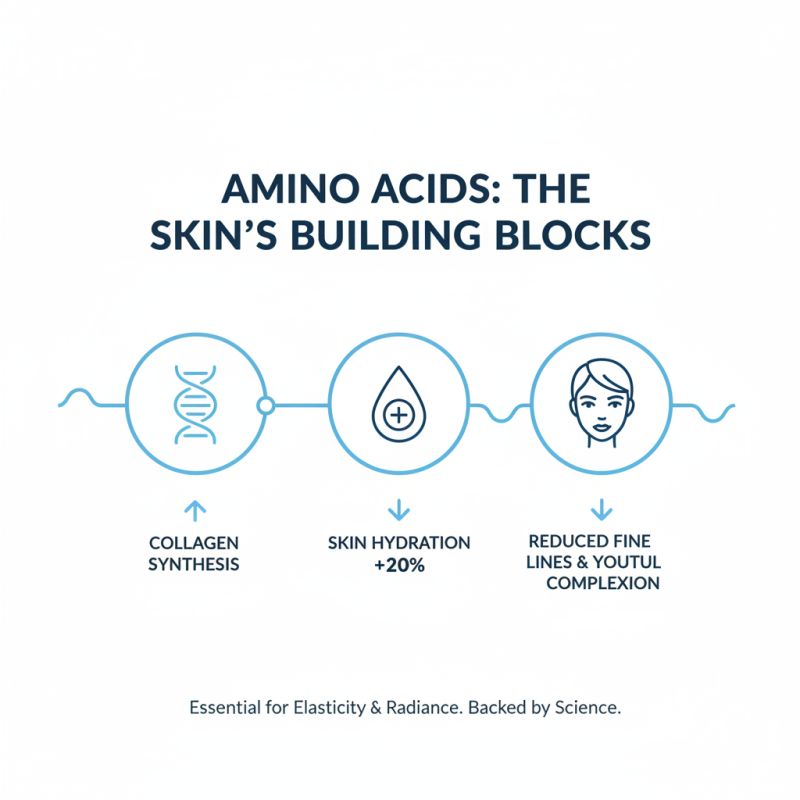
Amino acids play a crucial role in skin health. They are vital for collagen synthesis, which helps maintain skin elasticity. Studies show that amino acids can enhance skin hydration by up to 20%. This increase in hydration can minimize the appearance of fine lines and promote a more youthful complexion.
Research indicates that specific amino acids, like glycine and proline, have anti-aging properties. These amino acids aid in cellular repair and regeneration. In one report, participants using products enriched with amino acids saw a significant reduction in wrinkle depth. The findings suggested a potential for improving skin texture over time.
While the benefits are clear, the effectiveness can vary based on individual skin types. Some may find allergic reactions or irritation when using amino acid surfactants. It’s essential to understand that not all formulations will yield the same results for everyone. Personal testing is often needed to determine the best approach for radiant skin.