Top Benefits of Using Amino Acid Surfactants for Buyers?
Amino acid surfactants are gaining popularity in various industries. Their gentle nature makes them ideal for personal care products. "Amino Acid Surfactants offer unique properties that enhance product performance," says Dr. Emily Lin, an expert in cosmetic chemistry. This highlights their significance in formulation.
These surfactants are derived from natural sources. They provide effective cleansing while being biodegradable and environmentally friendly. Many consumers today seek products that are sustainable and gentle on the skin. Amino acid surfactants meet these growing demands with their mildness and efficacy.
However, not all users are aware of these benefits. Some may question their cost-effectiveness compared to traditional surfactants. It's crucial to weigh the investment against long-term performance and consumer satisfaction. Knowledge about amino acid surfactants can help buyers make informed decisions. As the market evolves, understanding these advantages becomes essential for brands aiming to succeed.

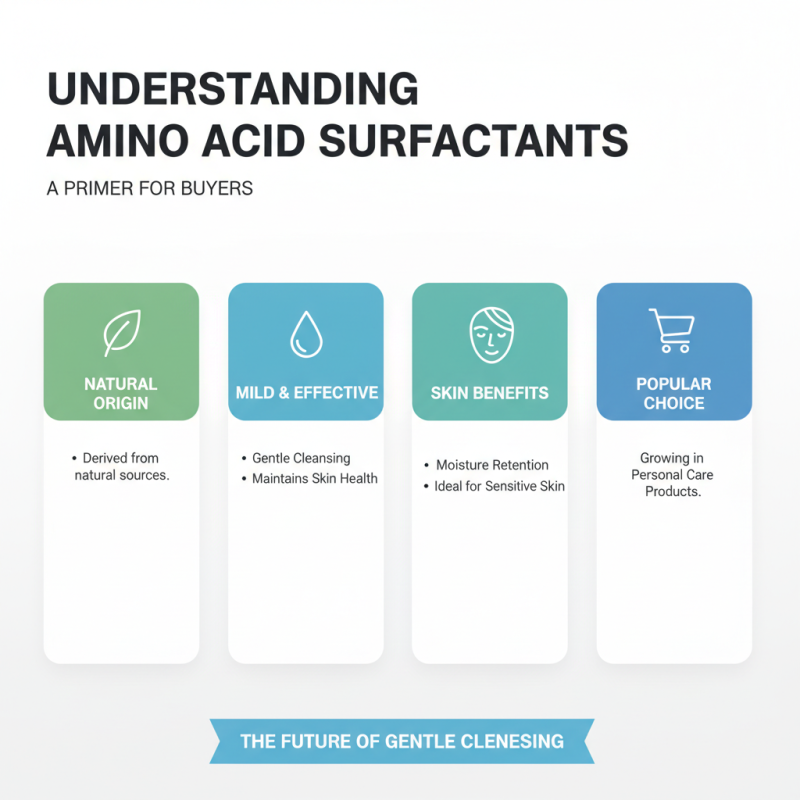
Understanding Amino Acid Surfactants: A Primer for Buyers
Amino acid surfactants are gaining popularity among buyers for several good reasons. These surfactants, derived from natural sources, are known for their mildness and effectiveness. They are often used in personal care products, providing a gentle cleansing experience without compromising skin health. The amino acids in these surfactants help maintain moisture, making them ideal for sensitive skin types.
When considering amino acid surfactants, think about their eco-friendliness. They are biodegradable and can be a sustainable choice for consumers looking to reduce their environmental footprint. The sourcing of these surfactants often aligns with sustainable practices, which appeals to environmentally conscious buyers.
**Tips:** Always check the concentration of amino acid surfactants. Higher concentrations may lead to irritation for some users. A patch test on a small skin area can help gauge sensitivity. Consider the formulation; pairing amino acid surfactants with other ingredients can enhance their benefits. Remember, not all formulations are equal, so reading labels is essential for smart shopping.
Key Advantages of Amino Acid Surfactants in Personal Care Products
Amino acid surfactants are gaining popularity in personal care products. These ingredients offer a unique balance of gentle cleansing and effective performance. Unlike harsh sulfates, amino acid surfactants are derived from natural sources. They promote skin's moisture retention without stripping essential oils, making them ideal for sensitive skin.
One of the standout advantages is their ability to create a rich lather. Users often prefer products that foam well, and amino acid surfactants deliver that experience. Additionally, they contribute to a smoother feel on the skin. This can enhance the overall sensory experience of using the product.
While these benefits are impressive, it's worth noting that formulation can be tricky. Not all combinations will yield the desired results. Product developers must experiment to find the right balance. The pursuit of perfection in formulations means there’s always room for improvement. This journey is essential for refining skin care solutions that promote health and wellness.
Environmental Benefits of Using Amino Acid Surfactants
Amino acid surfactants are gaining attention for their environmental benefits. These surfactants are derived from natural sources, minimizing pollution. Unlike traditional surfactants, they have a biodegradability that helps reduce ocean and soil contamination. This characteristic makes them a preferred choice for eco-conscious consumers.
Using amino acid surfactants also leads to lower toxicity levels. They are less harmful to aquatic life and contribute to a healthier ecosystem. By making the switch, manufacturers can support sustainability efforts. This shift can enhance their brand image and attract environmentally aware customers.
Tips for buyers: Consider sourcing products with clear labeling of amino acid surfactants. Look for companies that prioritize eco-friendly practices. Research the impact of surfactants on the environment before making any purchases. Every choice counts in promoting a cleaner planet. Small changes in purchasing can lead to significant benefits for our world.
Top Benefits of Using Amino Acid Surfactants
Amino acid surfactants offer many advantages including lower environmental impact, higher biodegradability, mildness to skin, stability in foaming, and versatility in applications. The chart above illustrates the percentage benefits associated with these attributes, showcasing their significance for buyers looking for eco-friendly and effective surfactant solutions.
Formulation Flexibility: How Amino Acid Surfactants Enhance Products
Amino acid surfactants are transforming product formulations across various industries. Their unique properties derive from natural origins, making them ideal for both cosmetic and cleaning products. According to a report by MarketsandMarkets, the global amino acid surfactant market is projected to reach USD 363 million by 2026, showing significant growth driven by their versatility.
Formulation flexibility is one of the foremost benefits of amino acid surfactants. They can easily blend with other ingredients to create a range of textures and properties. For instance, these surfactants can produce mild formulations suitable for sensitive skin. Their ability to enhance foam quality while maintaining stability is particularly appealing for formulators. Additionally, they contribute to lower surface tension, which improves spreading and wetting properties in formulations.
Despite these advantages, the use of amino acid surfactants can present challenges. For example, sourcing high-quality amino acid surfactants might involve higher costs. This can impact the overall pricing of finished products. Furthermore, formulators need to carefully balance these surfactants with other components. Improper ratios can lead to undesirable product characteristics. Continuous research and feedback from consumers help inform better formulations over time.
Top Benefits of Using Amino Acid Surfactants for Buyers
| Benefit |
Description |
Application Areas |
| Eco-Friendliness |
Amino acid surfactants are biodegradable and derived from renewable resources, making them better for the environment. |
Personal Care, Household Products |
| Mildness to Skin |
These surfactants provide a gentle cleansing effect, reducing irritation for sensitive skin. |
Skin Care, Baby Products |
| Formulation Flexibility |
Compatible with a range of formulations, allowing formulators to achieve targeted benefits. |
Cosmetics, Detergents |
| Excellent Foaming Properties |
Provides a rich, stable foam, enhancing user experience in cleansing products. |
Shampoos, Liquid Soaps |
| Moisturizing Effects |
Amino acid surfactants can help retain moisture, making them ideal for hydrating formulations. |
Conditioners, Creams |
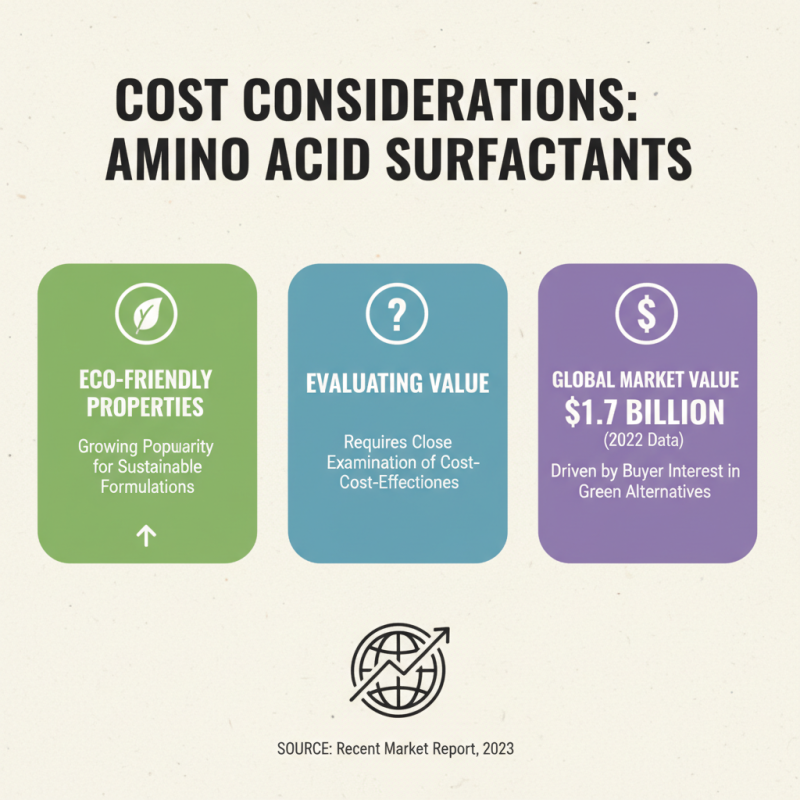
Cost Considerations: Evaluating the Value of Amino Acid Surfactants
Amino acid surfactants have gained popularity for their eco-friendly properties. However, evaluating their cost-effectiveness demands a close examination. According to a recent market report, the global amino acid surfactant market was valued at approximately $1.7 billion in 2022. This figure reflects a growing interest from buyers seeking sustainable alternatives in formulations.
Many manufacturers highlight these surfactants' biodegradable nature. This feature contributes to less environmental impact compared to traditional surfactants. Additionally, amino acid surfactants can enhance product performance, offering mildness and skin compatibility. However, potential buyers must consider that they often carry a higher price point. Research reveals that the price difference can be 20-30% compared to conventional surfactants.
It's critical to assess the long-term savings associated with using high-quality surfactants. While amino acids provide superior performance, their initial investment can be daunting. The benefits may justify the expense, particularly in premium products. Yet, transparency in pricing and performance is vital. Buyers face the challenge of balancing cost against potential gains. Understanding this complex dynamic is essential for making informed decisions in an increasingly competitive market.