Leave Your Message

Top 10 Best Anionic Surfactants for Your Cleaning Needs?

Cleaning products are essential in our daily lives. The effectiveness of these products often hinges on the type of surfactants they contain. Anionic surfactants lead this market due to their excellent cleaning and foaming properties. According to a report by Mordor Intelligence, the global anionic surfactants market is projected to reach $7.4 billion by 2025, reflecting its growing importance.

Dr. Emily Johnson, an expert in surfactant chemistry, emphasizes, "The choice of anionic surfactant can profoundly influence cleaning efficiency." This statement highlights the critical role of selecting the right surfactant. Many consumers overlook this factor. Instead, they focus solely on brand names or pricing. However, understanding the chemistry behind anionic surfactants can lead to more effective cleaning solutions.

While anionic surfactants are widely used, not all formulations are created equal. Some may cause skin irritation or environmental concerns. It is vital to evaluate products carefully. As the industry evolves, we must reflect on our choices. Selecting the appropriate anionic surfactant is not just a matter of preference; it can significantly impact cleaning outcomes and sustainability efforts.
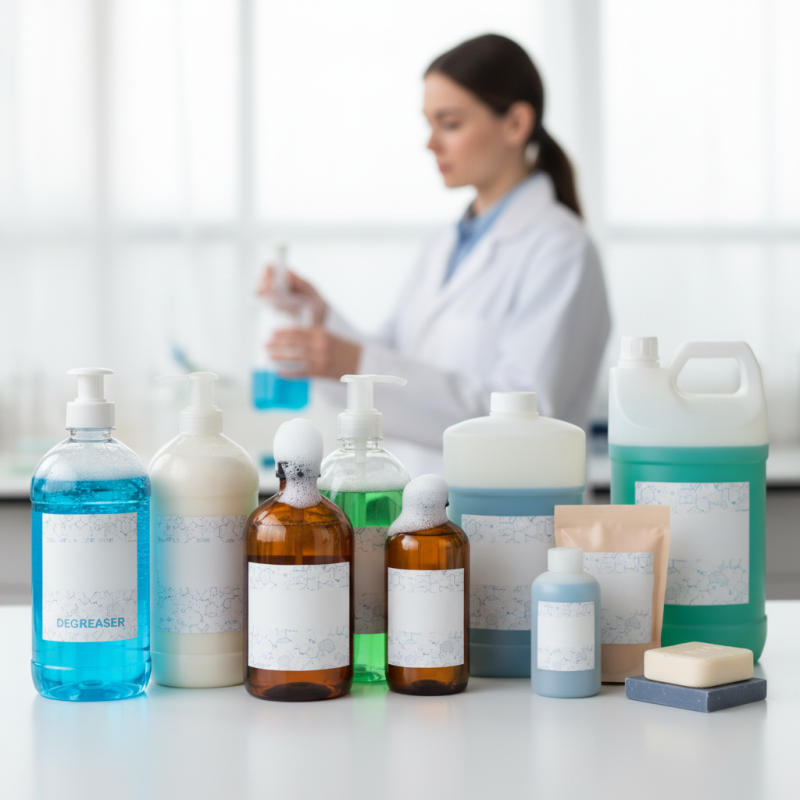
Top 10 Best Anionic Surfactants for Your Cleaning Needs?

Understanding Anionic Surfactants: Definition and Role in Cleaning

Anionic surfactants are essential components in many cleaning products. They are negatively charged molecules that lower water surface tension. This property helps remove dirt and grease effectively. According to industry reports, around 60% of detergent formulations contain anionic surfactants. Their ability to create foam enhances the cleaning experience and improves surface wetting.

These surfactants function by interacting with oil and dirt. When added to water, they form micelles that trap pollutants. However, not all anionic surfactants are biodegradable. Research indicates that some can persist in the environment. This raises concerns about their ecological impact. The consumer demand for greener alternatives is growing.

While effective, anionic surfactants can be harsh on sensitive skin. Many formulations contain additives to mitigate irritation. Balancing cleaning power and safety poses challenges for manufacturers. The dichotomy of effectiveness versus environmental impact and skin safety needs consideration. Anionic surfactants remain pivotal, yet responsible usage is crucial for sustainable cleaning solutions.
Key Properties of Effective Anionic Surfactants for Household Use

Top 10 Best Anionic Surfactants for Your Cleaning Needs?

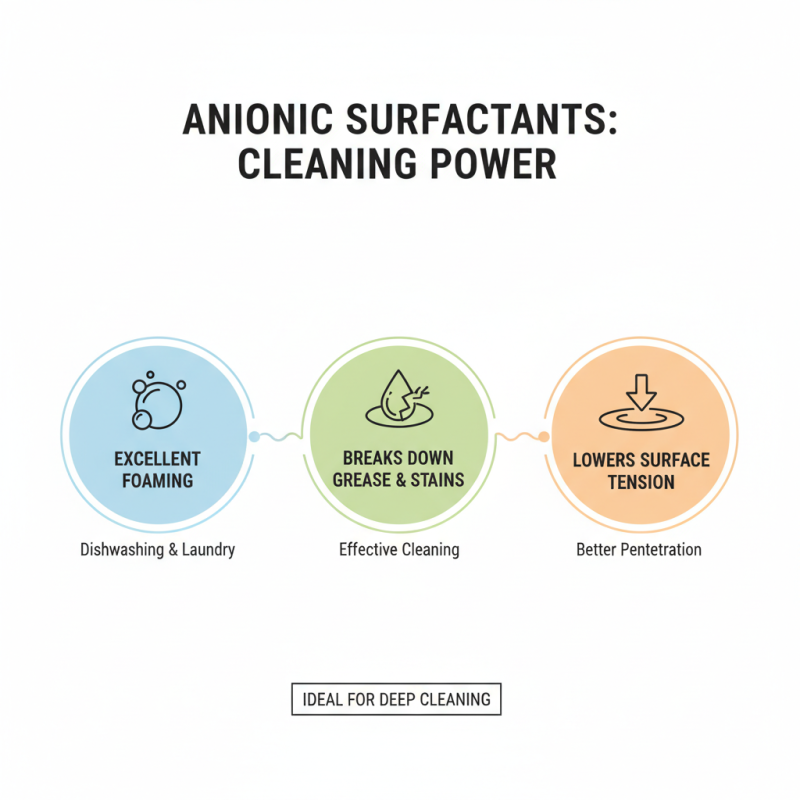
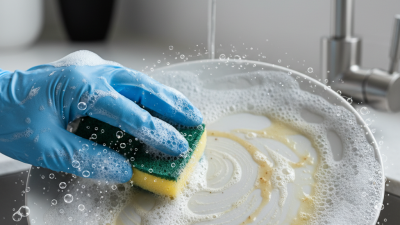
When choosing anionic surfactants for cleaning, certain key properties stand out. These surfactants are known for their excellent foaming ability. They can effectively break down grease and lift stains. This makes them ideal for dishwashing detergents and laundry products. Their ability to lower surface tension allows for better penetration and wetting of surfaces.

Another important property is their water solubility. Anionic surfactants dissolve easily in water, ensuring quick action. They work well in both hard and soft water. Additionally, their compatibility with other ingredients enhances cleaning performance. However, it is essential to be cautious. Some anionic surfactants may irritate sensitive skin. Users should always conduct patch tests. This simple step can prevent potential reactions.

Lastly, the biodegradability of these surfactants is a significant concern. Many are effective yet not eco-friendly. Consumers are increasingly looking for green alternatives. While we seek high performance, we must reflect on environmental impact. Balancing effectiveness with sustainability remains a challenge for all.

Top 10 Anionic Surfactants: Features and Benefits Overview

Anionic surfactants play a crucial role in many cleaning products. They are known for their excellent foaming and dirt-repelling properties. These surfactants are particularly effective in removing negatively charged dirt and oils. This makes them suitable for various cleaning applications, from household to industrial use.

Many users appreciate their ability to create a robust lather. However, some anionic surfactants can be harsh on sensitive skin. It's essential to choose formulations that balance cleansing power and skin safety. The effectiveness of these products can vary significantly. Understanding the unique features of each surfactant can help in selecting the right one.

For instance, some anionic surfactants work best in hard water, while others excel in soft water. Think about your specific cleaning needs before making a decision. Not all surfactants are environmentally friendly, either. This is an important consideration for eco-conscious consumers. Each type has its strengths and weaknesses. Research can illuminate the best options.

Top 10 Anionic Surfactants: Features and Benefits Overview

Surfactant Name Key Features Benefits Common Applications
Sodium Lauryl Sulfate (SLS) Excellent foaming agent, Low cost Effective cleaning power, Good emulsification Shampoos, Toothpastes, Cleaners
Sodium Laureth Sulfate (SLES) Milder than SLS, Good foam stability Gentler on skin, Great for sensitive formulations Body washes, Facial cleansers
Linear Alkylbenzene Sulfonate (LABS) Effective in hard and soft water Highly biodegradable, Strong cleaning performance Household detergents, Industrial cleaners
Sodium Stearoyl Lactylate Multifunctional surfactant Moisturizing properties, Enhances texture Cosmetics, Food industry
Cocamidopropyl Betaine Amphoteric surfactant, Mild Foam booster, Reduces irritation Shampoos, Body washes
Potassium Oleate Derived from natural oils Biodegradable, Gentle cleaning Soaps, Body care products
Sodium Cocoyl Isethionate Mild surfactant from coconut oil Creamy lather, Excellent skin feel Facial cleansers, Shampoos
Sodium Benzoate Preservative and surfactant Extends shelf life, Prevents microbial growth Personal care products, Foods
Alkyl Polyglucoside Renewable and biodegradable Non-irritating, Gentle cleaning Baby products, Eco-friendly cleaners
Sodium Sulfate Low-cost, High solubility Enhances viscosity, Reduces product cost Detergents, Industrial cleaning

Comparative Analysis: Anionic vs. Other Types of Surfactants

Top 10 Best Anionic Surfactants for Your Cleaning Needs?

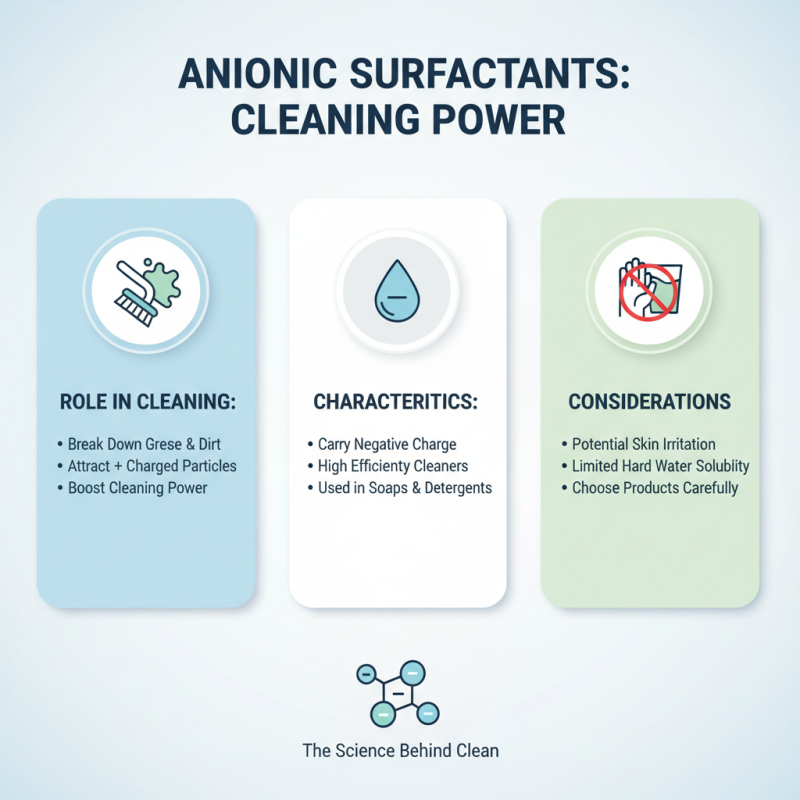
Anionic surfactants play a vital role in cleaning products. They are effective in breaking down grease and dirt. These surfactants carry a negative charge, which helps them attract positively charged particles. This property enhances their cleaning power. However, they can sometimes irritate the skin or have limited solubility in hard water. That’s something to consider when choosing a product.

In contrast, nonionic and cationic surfactants have different charge properties. Nonionic surfactants do not carry a charge, making them gentle and less likely to irritate skin. They are useful in producing foam and stabilizing emulsions. Cationic surfactants, with a positive charge, effectively kill bacteria but can leave residues. Each type has unique advantages and drawbacks, depending on cleaning needs. This variability often leaves consumers questioning the best choice for their specific situations. It’s essential to evaluate these factors before making a decision. The interaction between surfactants and different surfaces can differ, leaving room for improvement in formulations.

Guidelines for Choosing the Right Anionic Surfactant for Your Needs

Choosing the right anionic surfactant is crucial for effective cleaning. Anionic surfactants are widely used in household and industrial cleaners. They provide excellent foam and cleaning power. However, not all anionic surfactants are created equal.

Consider the intended use. For heavy-duty cleaning, high-performance options may be necessary. These surfactants can be more efficient at breaking down grease and grime. According to industry reports, formulations with sodium lauryl sulfate (SLS) yield better results for tough stains compared to milder alternatives. Yet, SLS can be harsh on skin. Balancing efficiency and safety is vital.

Think about the formulation. Some surfactants can cause skin irritation. A recent survey noted that over 30% of consumers experience sensitivity to certain ingredients. Opting for milder options like linear alkylbenzene sulfonate (LABS) may reflect better choices. Ensure compatibility with your cleaning goals. The right choice can make a significant difference, but it's not always straightforward. Testing different options can lead to unexpected insights.

Top 10 Anionic Surfactants for Cleaning Needs