Best Zwitterionic Surfactants for Optimal Performance in Various Applications?
Zwitterionic surfactants have gained significant attention in various industries. Their unique charge properties allow them to perform well in diverse applications, from personal care to industrial processes. This versatility raises an important question: which zwitterionic surfactants deliver optimal performance?
In personal care products, zwitterionic surfactants offer mildness and excellent foam stability. They can enhance the sensory experience of formulations. However, the balance between effectiveness and skin compatibility sometimes proves challenging. In industrial applications, they often stabilize emulsions and improve wettability. Yet, the specific performance of each zwitterionic surfactant can vary widely depending on formulation and conditions.
This exploration seeks to identify the best zwitterionic surfactants for different needs. By examining their unique characteristics, we can understand how to apply them more effectively. In doing so, we can also reflect on what makes a surfactant truly effective in a practical setting. The discussion will provide clarity on their potential and limitations in various applications.
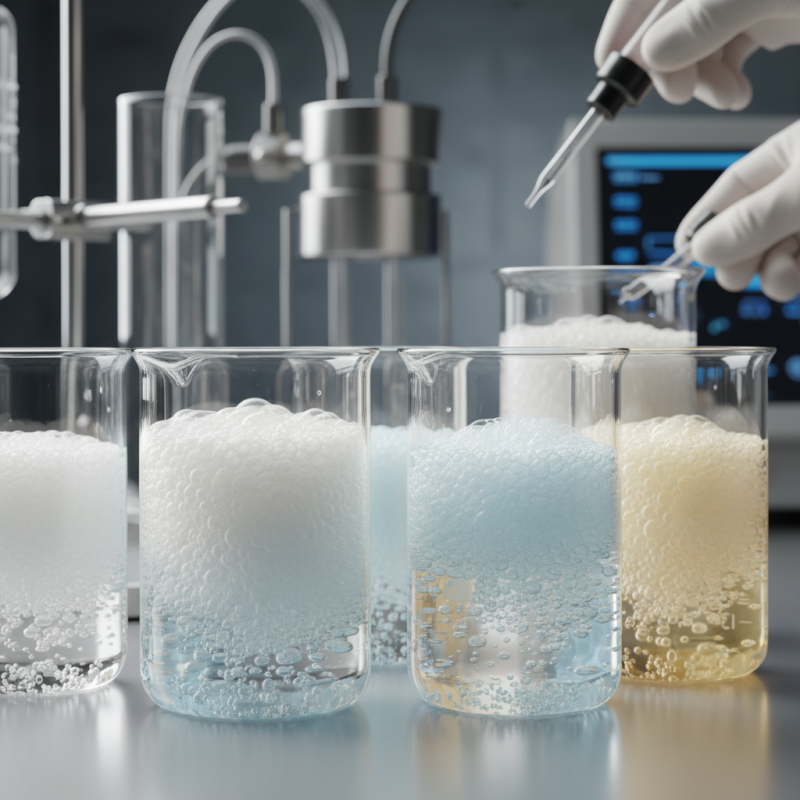
Zwitterionic Surfactants: Definition and Chemical Properties
Zwitterionic surfactants are fascinating compounds with unique properties. They feature both positive and negative charges. This dual nature allows them to perform well in diverse environments. These surfactants are often used in detergents and personal care products.
Due to their amphoteric behavior, zwitterionic surfactants can adapt to different pH levels. This makes them effective in both acidic and alkaline conditions. Their ability to lower surface tension is notable. However, some formulations may not perform optimally across all applications.
While zwitterionic surfactants are valuable, they can face limitations. For instance, their performance might diminish in hard water. This can lead to less effective cleaning. Additionally, the cost of production can be a hurdle for widespread use. Keeping these factors in mind is essential for achieving the best results in various applications.
Key Performance Metrics: Surface Activity and Interfacial Tension Values
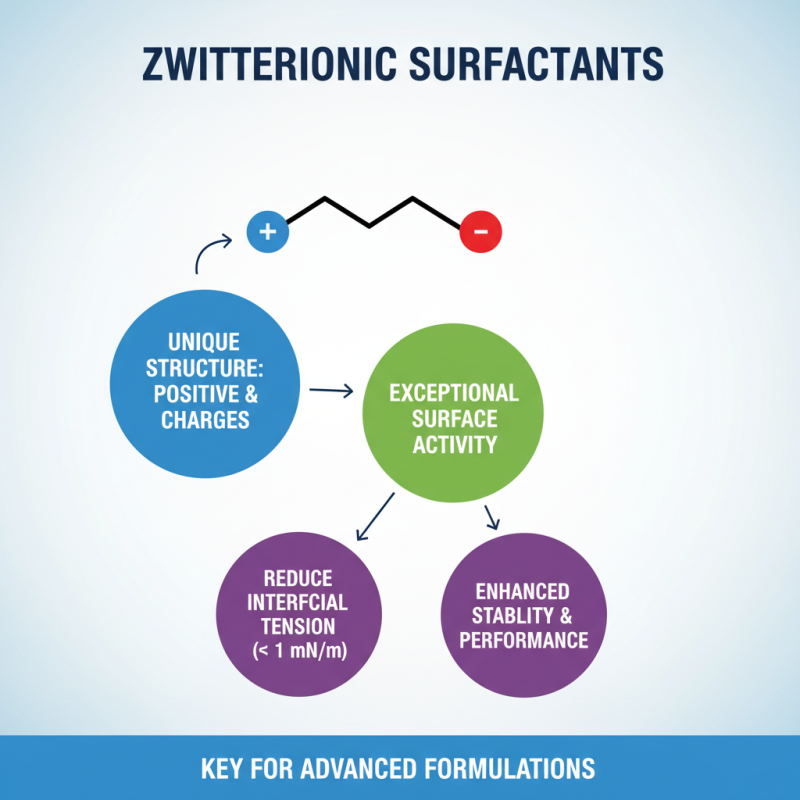
Zwitterionic surfactants stand out due to their unique structure, combining both positive and negative charges. This results in exceptional surface activity, crucial for various applications. For instance, they can significantly reduce interfacial tension, often reaching values below 1 mN/m. This property is especially beneficial in formulations needing enhanced stability and performance.
In many industrial contexts, zwitterionic surfactants perform better than their non-ionic and ionic counterparts. Reports show that formulations containing these surfactants can improve wetting properties by over 30%. However, their performance can vary widely based on molecular structure and environmental conditions. This inconsistency poses a challenge for manufacturers, who must consider specific application demands.
**Tip:** When selecting a zwitterionic surfactant, focus on structure. Altering the alkyl chain length can lead to better performance in specific applications.
Another consideration is the interplay of surfactant concentration and surface activity. Data suggest that higher concentrations do not always equate to lower interfacial tension values. An optimal balance is vital. Testing in real-world conditions can reveal performance gaps and guide formulation adjustments.
**Tip:** Regular performance reviews can help identify areas for improvement in formulations. Streamlining processes may lead to better end-user satisfaction.
Applications in Personal Care Products: Efficacy and Consumer Preference
Zwitterionic surfactants are gaining traction in personal care products. These surfactants are known for their mildness and effective cleaning properties. A recent market report indicated that 45% of consumers prefer products with more gentle ingredients. This trend is especially prevalent in skin and hair care.
Consumer interest is shifting towards formulations that are not only effective but also safe. Many now read labels closely. They seek out terms like "zwitterionic" and "biocompatible." The consumer's desire for eco-friendly and dermatologically tested products influences purchasing decisions. A survey found over 60% of consumers would pay more for products that are environmentally friendly.
Yet, challenges remain. Some zwitterionic surfactants can be more expensive. This higher cost might deter some manufacturers. Furthermore, achieving the right balance in formulations can be complex. Inconsistent performance across different applications raises questions. For consumers, educating themselves about ingredient benefits is crucial. Awareness leads to better choices and satisfaction.
Zwitterionic Surfactants in Industrial Cleaning: Sustainability and Efficiency
Zwitterionic surfactants have gained popularity in industrial cleaning due to their unique properties. They are efficient at removing dirt, grease, and stains. These surfactants function effectively across various pH levels. Their ability to retain functionality in harsh conditions is notable. For example, they work well in both acidic and alkaline environments. This flexibility enhances their value in diverse cleaning applications.
Sustainability is a critical concern in modern cleaning practices. Many zwitterionic surfactants are derived from renewable resources. This reduces reliance on petrochemicals. They are often biodegradable, which is a key advantage. However, not all surfactants meet sustainability criteria equally. Some may still pose environmental risks. Continuous improvement in formulations is necessary. It’s important to find a balance between efficiency and eco-friendliness in product development.
Challenges remain in the performance of zwitterionic surfactants. In some cases, they may not achieve the same effectiveness as traditional surfactants. Users often report varying results based on specific applications. More research is necessary to optimize their use in industrial cleaning. This could lead to better formulations that combine performance with sustainability. Addressing these issues can drive innovation in the cleaning industry.
Best Zwitterionic Surfactants for Optimal Performance in Various Applications
| Surfactant Type |
Key Properties |
Applications |
Environmental Impact |
Cost Efficiency |
| Phosphatidylcholine |
Biodegradable, low toxicity |
Personal care, pharmaceuticals |
Low impact, safe for aquatic life |
Moderate |
| Cocamidopropyl Betaine |
Mild, excellent foam stability |
Shampoos, household cleaners |
Biodegradable, low environmental risk |
Cost-effective |
| Lecithin |
Emulsifying, skin-friendly |
Food products, cosmetics |
Natural, low impact |
Moderate |
| Sulfobetaine |
Stable across pH ranges, low irritation |
Industrial cleaning, textiles |
Biodegradable, safe for the environment |
High |