China Top Amino Acid Surfactant Benefits and Applications Explained?
Amino Acid Surfactants have gained significant attention in various industries. These surfactants are derived from natural amino acids, making them environmentally friendly. Their benefits are diverse, ranging from enhanced foaming properties to effective moisturization.
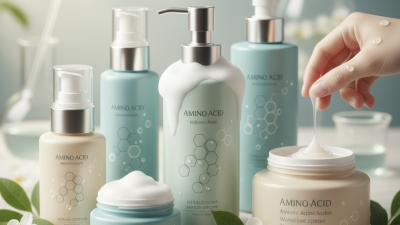
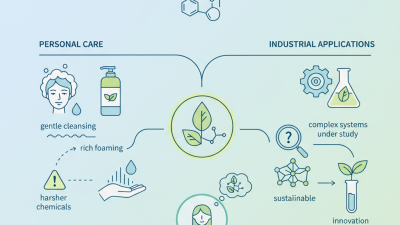
In personal care products, Amino Acid Surfactants contribute to a gentle cleansing experience. They are less harsh on the skin and hair compared to traditional surfactants. This characteristic appeals to consumers seeking safer alternatives. Moreover, their biodegradable nature aligns with current sustainability trends.
The application of Amino Acid Surfactants extends beyond cosmetics. They are increasingly used in household cleaning products and industrial applications. However, challenges in optimizing formulations remain. Understanding the balance between efficacy and safety is essential for effective usage. As industries evolve, continued research is necessary to address potential limitations.
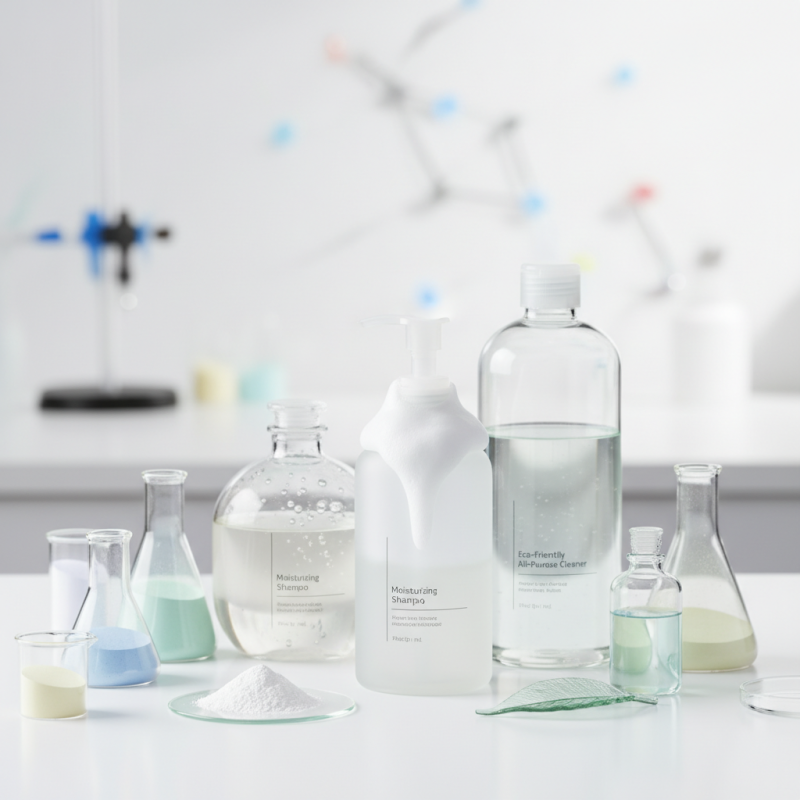
Benefits of Amino Acid Surfactants in Various Industries
Amino acid surfactants are gaining traction in various industries due to their unique properties. These surfactants offer excellent biodegradability, making them environmentally friendly. In personal care products, they provide gentle cleansing without stripping natural oils. This makes them ideal for formulations aimed at sensitive skin. Their mildness is a significant advantage in skin and hair care applications.
In the agriculture sector, amino acid surfactants improve the efficacy of pesticides and herbicides. They enhance the spreading and wetting properties of these chemicals. This leads to better absorption by plants. Such application can increase crop yields, but it also raises questions about chemical interactions and environmental impact.
The food industry benefits from amino acid surfactants as well. They act as emulsifiers, helping to stabilize food products. This contributes to better texture and shelf life. However, the use of such ingredients in food raises concerns regarding long-term health effects. Balancing benefits with risk is crucial in their application. The innovation in amino acid surfactants shows promise, but scrutiny is needed to ensure safety across various fields.
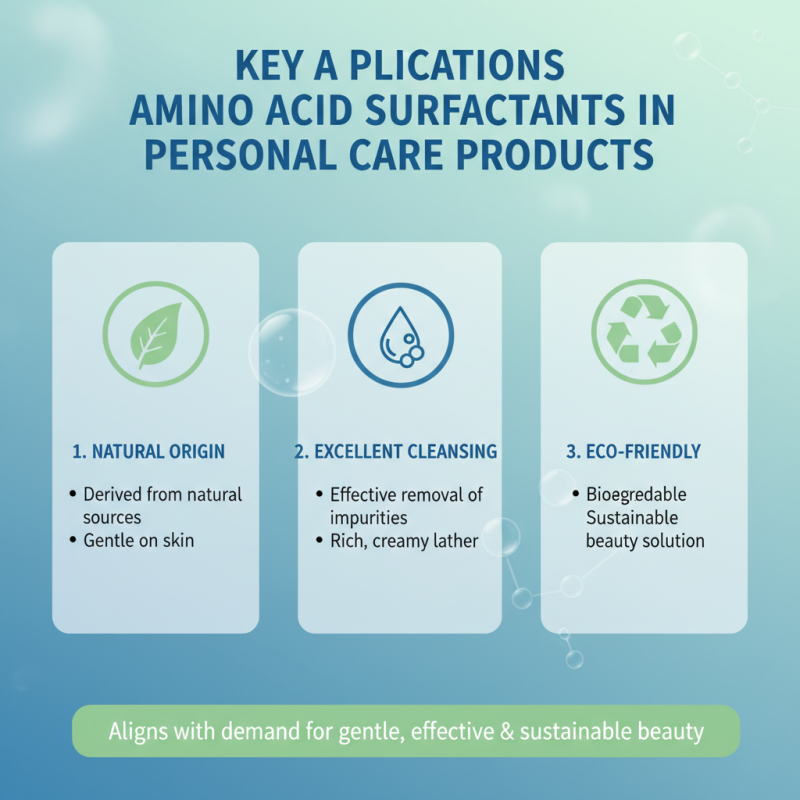
Key Applications of Amino Acid Surfactants in Personal Care Products
Amino acid surfactants are gaining popularity in personal care products. They are derived from natural sources, making them gentle on the skin. These surfactants offer excellent cleansing properties while being biodegradable. This aligns well with the growing demand for eco-friendly beauty solutions.
In many shampoos and body washes, amino acid surfactants are used. They create a rich, stable lather, enhancing the overall user experience. The mild nature of these ingredients makes them suitable for sensitive skin. Some people may question their effectiveness compared to traditional surfactants, but studies suggest they are equally powerful.
Additionally, amino acid surfactants serve as effective conditioning agents. They help to retain moisture, leaving skin feeling soft and hydrated. While they are beneficial, the formulation process requires expertise. Balancing efficacy and gentleness can be challenging. Careful thought must go into combining these surfactants with other ingredients for optimal results.
Role of Amino Acid Surfactants in Environmental Sustainability
Amino acid surfactants play a significant role in promoting environmental sustainability. These surfactants are derived from renewable resources, such as plant proteins. They are biodegradable, which means they break down naturally and reduce toxic waste in our ecosystems. This characteristic is essential for minimizing pollution and protecting aquatic life.
The use of amino acid surfactants extends to various applications, from personal care products to household cleaners. Their mildness makes them suitable alternatives for sensitive skin. Additionally, they help reduce the reliance on harsh chemical surfactants, which can have harmful environmental impacts. However, the production processes of amino acid surfactants still require careful analysis. Balancing sustainability and efficiency is crucial in their manufacturing.
Despite the benefits, some drawbacks prompt reflection. The agricultural practices needed for sourcing plant proteins may not always be sustainable. Over-reliance on certain crops could also lead to biodiversity loss. Researchers should focus on innovative methods to ensure sourcing is truly sustainable. Overall, amino acid surfactants showcase the potential for environmentally friendly solutions while highlighting the need for responsible practices in their production and use.
Benefits and Applications of Amino Acid Surfactants in Environmental Sustainability
Comparative Analysis of Amino Acid Surfactants and Traditional Surfactants
Amino acid surfactants are gaining attention globally. They differ significantly from traditional surfactants. The main difference lies in their source. Amino acid surfactants come from natural amino acids. This makes them more biodegradable and skin-friendly.
According to a report by Market Research Future, the global amino acid surfactants market is projected to grow by 6.5% annually through 2025. Traditional surfactants often contain petrochemicals. These can harm aquatic life and affect environmental health. In contrast, amino acid surfactants demonstrate lower toxicity. They are suitable for personal care products and household cleaners.
However, the production process for amino acid surfactants can be costlier. This raises questions about their pricing competitiveness. Consumers may find traditional options cheaper. Educating the market on benefits is essential. As eco-consciousness rises, many still prefer familiar products. Balancing costs and benefits remains a challenge.
Future Trends in the Use of Amino Acid Surfactants in Formulations
Amino acid surfactants are gaining momentum in various formulations. They are derived from natural sources, making them appealing for eco-friendly products. Their mildness is a significant advantage. This makes them suitable for personal care, household cleaners, and industrial applications.
Future trends indicate a growing demand for these surfactants. As consumers become more aware of the importance of sustainability, formulations using these ingredients will likely increase. Companies may need to innovate continually to stay relevant. The focus will shift towards performance and environmental impact.
Tips: When choosing surfactants, consider their origin and efficiency. Testing different formulations can lead to unexpected discoveries. Always assess user feedback to refine product offerings. Embracing change will foster growth in this dynamic market.