Top 10 Common Food Additives You Should Know About and Their Effects
In the world of processed foods, understanding the role of food additives has become increasingly important for consumers. As Dr. Susan L. Johnson, a renowned expert in food science and safety, aptly stated, "Food additives can enhance flavor, improve safety, and prolong shelf life, but they also require careful scrutiny." This highlights the dual nature of these substances, which can offer benefits while also presenting potential risks to health.
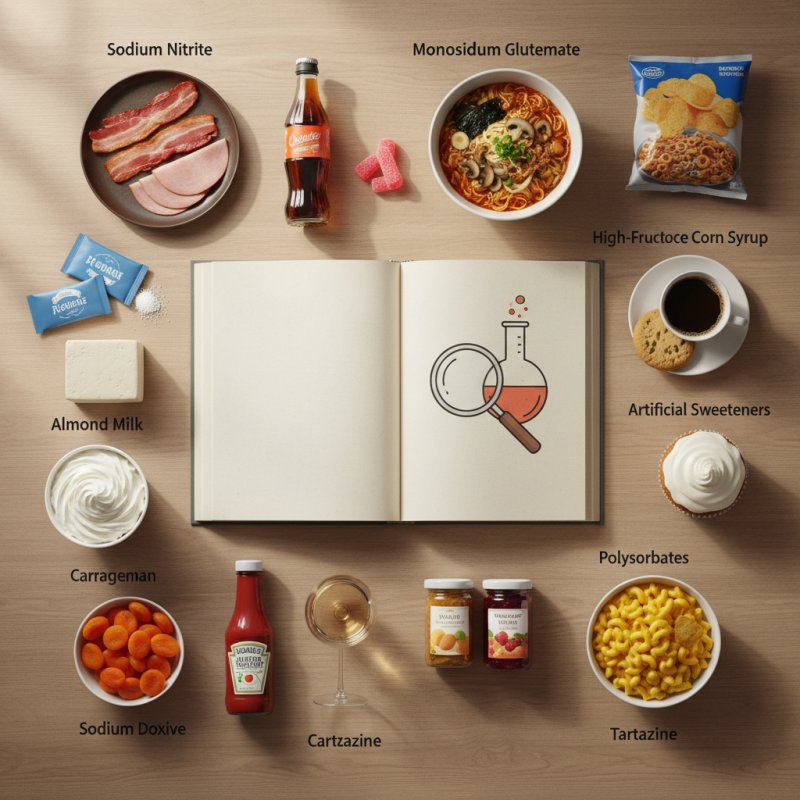
Food additives are ubiquitous in our diets, found in everything from snacks to sauces, serving various purposes such as preserving freshness, enhancing taste, and improving texture. However, the growing awareness about the ingredients in our food has sparked debates about their safety and the effects they may have on our health. As consumers become more informed, it's essential to recognize the most common food additives, understand their purposes, and be aware of the potential implications they may carry.
In this article, we will explore the top 10 common food additives you should know about, delving into their functions and the latest research on their effects. By shedding light on these additives, we aim to empower consumers to make informed choices while navigating the complex landscape of food products available today.
Common Food Additives: An Overview of Their Uses and Functions
Food additives play a crucial role in the modern food industry, serving various functions that enhance food quality, safety, and shelf-life. According to a report by the Food and Agriculture Organization (FAO), approximately 70% of processed foods contain some form of additive. These substances can be divided into several categories based on their primary functions. Preservatives, for instance, prevent spoilage and extend shelf-life, significantly benefiting consumers by reducing food waste. The use of preservatives like sodium benzoate has been found to inhibit the growth of bacteria and mold, ensuring the safety of perishable products.
Another important category of additives includes flavor enhancers, which are designed to improve the taste and appeal of food products. Monosodium glutamate (MSG) is a well-known flavor enhancer that can elevate food flavor profiles, making them more palatable. According to industry statistics, MSG consumption has been linked to increased culinary satisfaction, although it has generated some debate regarding its health implications. Additionally, stabilizers and emulsifiers help maintain the texture and consistency of products, playing a vital role in recipes such as salad dressings and sauces. The ability of emulsifiers, such as lecithin, to blend oil and water phases makes food products more appealing and enhances consumer enjoyment. As a result, understanding these additives is essential not only for food manufacturers but also for consumers seeking healthier eating choices.
Natural vs. Synthetic Food Additives: Understanding the Differences
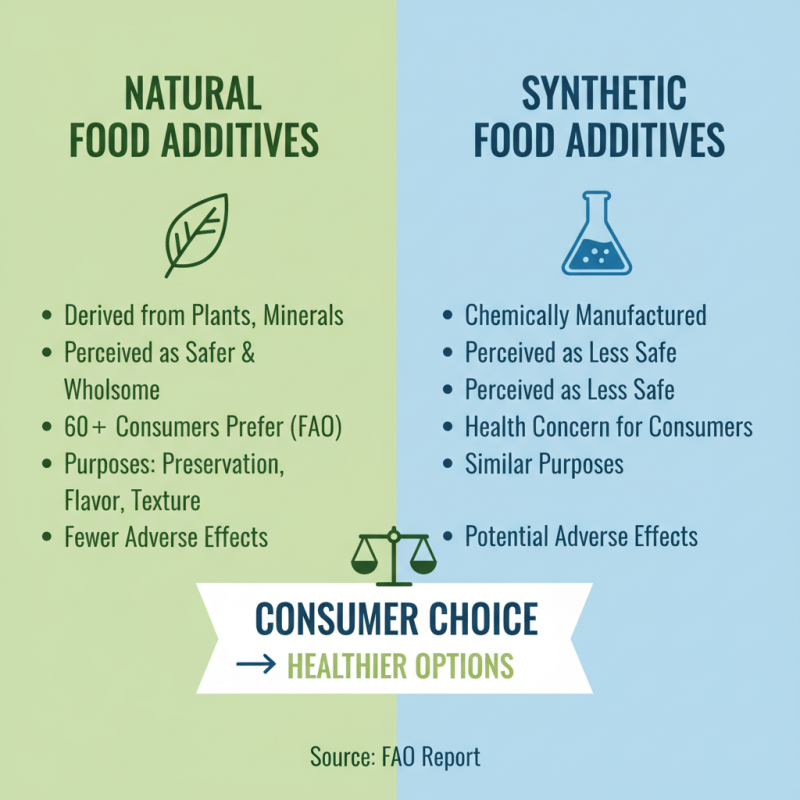
In the realm of food science, understanding the distinction between natural and synthetic additives is crucial for consumers seeking healthier options. Natural food additives, derived from plant, animal, or mineral sources, are often perceived as safer and more wholesome. According to a report by the Food and Agriculture Organization (FAO), over 60% of consumers prefer natural additives due to concerns about health implications associated with synthetic alternatives. Natural additives are typically used for specific purposes like preservation, flavor enhancement, and improving texture, offering advantages without the potentially adverse effects commonly associated with their synthetic counterparts.
On the other hand, synthetic food additives, which are chemically manufactured, play an essential role in modern food production. These additives, including artificial sweeteners and colorants, can improve shelf life and maintain consistency in food products. A study published in the Journal of Food Science indicates that around 90% of processed foods contain synthetic additives, underscoring their prevalence in the market. While some synthetic additives have undergone rigorous safety evaluations, concerns persist regarding their long-term health effects, leading to a growing demand for transparency in labeling. As consumers become more aware of what they’re ingesting, the discourse around natural versus synthetic additives remains a pivotal topic within nutritional science and public health.
Top 10 Food Additives: Description and Popular Uses
Food additives play a significant role in enhancing the flavor, texture, and shelf life of various food products. Among the most common additives are preservatives, flavor enhancers, emulsifiers, and thickeners. For instance, sodium benzoate is widely used as a preservative in acidic foods and beverages, effectively inhibiting the growth of bacteria, yeast, and fungi, which is crucial in maintaining food safety. According to a report by the Food and Agriculture Organization (FAO), approximately 80% of processed foods contain some form of additive, highlighting their prevalence in our diets.
Emulsifiers like lecithin are essential for improving the consistency of products such as mayonnaise and salad dressings by preventing the separation of ingredients. Meanwhile, thickeners like xanthan gum not only enhance the texture of sauces and soups but also have applications in gluten-free baking, where they provide the necessary structure to mimic the elasticity of gluten. Industry data suggests that the global food emulsifier market alone is projected to reach $4 billion by 2025, indicating a growing reliance on these additives.
Tips: When selecting processed foods, checking the ingredient label can be beneficial. Aim to choose products with fewer additives or those that use natural alternatives like pectin or agar instead of synthetic ones. Additionally, understanding the purpose of additives can help consumers make informed choices about the foods they include in their diets, ultimately leading to a healthier lifestyle.
Potential Health Effects of Food Additives: What to Watch For
Food additives have become ubiquitous in our diets, with the U.S. Food and Drug Administration (FDA) estimating that over 10,000 additives are used in food products today. While many additives serve functional purposes such as preservation, flavor enhancement, and color stabilization, their potential health effects warrant scrutiny. For instance, certain emulsifiers and artificial sweeteners have been linked to digestive issues and metabolic disturbances. A review published in the journal "Nature" found that additives like carrageenan can trigger inflammation in the gut, potentially contributing to chronic health problems.
Moreover, the use of artificial colors in food products has raised concerns regarding their impact on children's behavior. A study in "The Lancet" reported that certain synthetic dyes could exacerbate hyperactivity in children, leading to calls for stricter regulations on their use. Additionally, preservatives such as sodium nitrite, commonly found in processed meats, have been associated with an increased risk of colorectal cancer, as indicated by findings from the World Health Organization (WHO). Awareness of these potential health effects is crucial for consumers, enabling them to make informed choices about the foods they consume and advocate for clearer labeling and safer alternatives.
Top 10 Common Food Additives You Should Know About and Their Effects
| Additive Name |
Common Uses |
Potential Health Effects |
Regulatory Status |
| Aspartame |
Artificial sweetener in diet sodas and sugar-free products |
Headaches, allergies, and possible links to other health issues |
Generally recognized as safe (GRAS) by FDA |
| Monosodium Glutamate (MSG) |
Flavor enhancer in savory foods |
Possible allergic reactions and headaches |
Considered safe, but some prefer to avoid it |
| BHA/BHT |
Preservative in fats and oils |
Possible carcinogenic effects |
Approved for use with limits |
| Sodium Nitrite |
Preservative in cured meats |
Potential to form carcinogenic nitrosamines |
Permitted in specific amounts |
| High Fructose Corn Syrup |
Sweetener in processed foods and drinks |
Linked to obesity and metabolic disorders |
Generally recognized as safe |
| Carrageenan |
Thickener in dairy products and plant-based milks |
Digestive issues and inflammation |
Approved by FDA |
| Artificial Colors |
Coloring in candies and beverages |
Allergic reactions and hyperactivity in children |
Many are approved, but some are banned |
| Potassium Bromate |
Flour improver in baked goods |
Carcinogenic potential |
Banned in many countries |
| Sodium Benzoate |
Preservative in carbonated drinks |
Potential adverse reactions with artificial colors |
Generally recognized as safe |
| Soy Lecithin |
Emulsifier in chocolates and baked goods |
Allergic reactions in sensitive individuals |
Generally recognized as safe |
Regulatory Standards for Food Additives: Safety and Approval Process
The regulatory standards for food additives are designed to ensure that these substances are safe for consumption and approved for use in various food products. Agencies such as the Food and Drug Administration (FDA) in the United States closely monitor and evaluate the safety of food additives before they can be utilized in the industry. This process involves extensive scientific research, including toxicological studies, to assess potential health risks associated with the additive. Only those additives that meet stringent safety requirements are granted approval, often requiring manufacturers to demonstrate that their use adheres to specific guidelines and does not pose any harm to consumers.
Once approved, food additives are periodically reviewed to ensure they continue to meet safety standards as new research and data become available. Regulatory bodies may update guidelines based on emerging evidence, which can lead to a reevaluation or withdrawal of certain additives. Furthermore, food labels often disclose the presence of additives, allowing consumers to make informed choices regarding their dietary habits. Transparency in this approval process fosters consumer trust while promoting the safe use of food additives in the culinary landscape.
Top 10 Common Food Additives and Their Effects
This bar chart represents the top 10 common food additives, their usage prevalence, and the known effects on health. Understanding these additives can help consumers make informed choices about their food.