Top Food Additives in China for Global Buyers?
In recent years, the global market for Food Additives has surged. Buyers are increasingly interested in Chinese products. According to Dr. Li Wei, a renowned food science expert, "China's food additives industry is both innovative and challenging." His insight highlights the dynamic nature of this sector.
China produces a range of Food Additives, from preservatives to flavor enhancers. These additives play a vital role in ensuring food safety and enhancing flavors. Quality control remains a concern. Some buyers have reported inconsistencies in product quality. Navigating this landscape requires awareness and expertise.
The potential for growth is immense, yet it comes with risks. Buyers must do diligent research before making decisions. Ensuring compliance with safety standards is critical. The future of Food Additives in China is promising, but challenges persist. Understanding these nuances will be essential for making informed choices.
Overview of the Food Additive Market in China
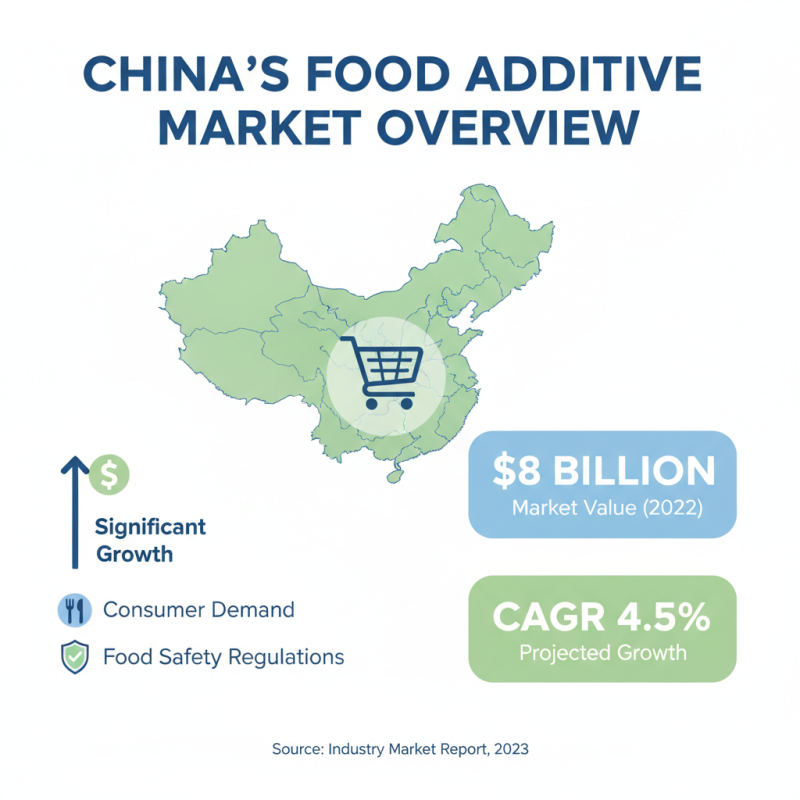
The food additive market in China is experiencing significant growth, driven by increasing consumer demand and food safety regulations. According to a recent market report, the value of this sector reached approximately $8 billion in 2022. The expected CAGR (Compound Annual Growth Rate) of 4.5% suggests that this trend will continue.
Natural additives are becoming more popular. Consumers increasingly prefer cleaner labels that reflect healthier choices. For instance, extracts such as rosemary and natural colorants are gaining traction. Interestingly, data also shows a rise in synthetic additives—each has specific applications in flavor enhancement and preservation. Finding the right balance between natural and synthetic additives is challenging.
Tips: Always verify the sourcing of food additives. Explore suppliers who can provide transparency about their ingredients. This ensures safer food production and enhances consumer trust. Another aspect worth noting is the global standardization imbalance. Some additives are approved in other regions but face scrutiny in China, raising concerns among international buyers. Understanding these nuances is crucial for navigating this complex market landscape.
Key Categories of Food Additives Used in China
In China, food additives play a crucial role in enhancing the flavor, appearance, and preservation of food products. The key categories include flavor enhancers, preservatives, colorants, and thickening agents. Many producers rely on these additives to meet consumer preferences and safety standards. However, the quality and origin of these additives vary significantly.
Flavor enhancers are prevalent in Chinese cuisine. They boost the umami taste, making dishes more appealing. Commonly used additives help create depth in flavors. Preservatives extend shelf life and prevent spoilage, which is vital for suppliers and retailers.
When sourcing food additives, it’s important to research regulatory compliance. Always check that the additives you choose meet local safety standards. Look for suppliers with a reputation for quality. Transparency about sourcing and production methods is crucial. This ensures that you make informed choices for your consumers.
Stay updated on industry trends. New additives emerge regularly, reflecting changing consumer preferences. Also, consider sustainable options that reduce environmental impact. Balancing efficiency with safety is essential in the food industry.
Regulatory Framework Governing Food Additives in China
The regulatory framework for food additives in China is multifaceted and evolving. The Chinese government emphasizes safety and efficacy in food additives. The National Health Commission (NHC) plays a crucial role in establishing standards. Since 2019, China has updated its regulations, focusing on both pre-market approval and post-market surveillance.
Data from the China Food Additives and Ingredients Association indicates that the food additives market reached approximately 8 billion USD in 2022. Despite this growth, challenges remain. Compliance with the myriad of regulations can be burdensome for international suppliers. Many companies struggle to navigate the detailed requirements, leading to potential market entry delays.
Government inspections are becoming more frequent. Reports show that up to 30% of imported food additives face scrutiny for compliance with Chinese standards. This raises questions for global buyers about the reliability of their supply chains. The emphasis on local testing and certification adds complexity. Buyers may need to reassess their strategies to ensure compliance, reflecting the dynamic landscape of China’s regulatory environment.
Trends Influencing the Demand for Food Additives in China
The demand for food additives in China is rising. Various trends influence this growing market. Health consciousness among consumers plays a significant role. People are more aware of what they eat. They seek natural, organic options. This shift drives manufacturers to innovate with cleaner labels.
Regulatory changes also impact the industry. The Chinese government is tightening food safety standards. This has led to an increased use of safe, approved additives. Companies are now focusing on transparency in their ingredients. They must prove their products are safe and beneficial.
Technology advancements contribute to the trend as well. Smart processing techniques improve the quality of food additives. Food manufacturers can now tailor additives to specific needs. This adaptability creates new opportunities. However, challenges remain. Some companies struggle to keep up with consumer expectations. Balancing cost and quality is often difficult. These factors make the market dynamic and complex.
Considerations for Global Buyers Sourcing from China
As global buyers explore the Chinese market, sourcing food additives demands careful consideration. According to industry reports, the food additives market in China is projected to grow at a CAGR of 5.6% from 2023 to 2028. This growth reflects increasing demand for diverse ingredients and improved food quality.
Sourcing from China involves navigating numerous regulations and quality standards. Global buyers should ensure that suppliers comply with the latest food safety certifications. Regular audits and robust quality checks are essential for maintaining standards. Trusted suppliers often showcase certifications like ISO and HACCP.
Tip: Always request samples before finalizing orders. This ensures the product quality matches your expectations.
Buyers should also consider cultural differences in taste and preference. Understanding these nuances can significantly influence product formulation. Data indicates that local consumer preferences affect ingredient choices. Engaging local experts or consultants can facilitate better decision-making.
Tip: Research popular trends in the Chinese food market. This insight can help adapt your sourcing strategy effectively.