Top Liquid Thickener Solutions for Global Buyers?
Liquid thickeners play a pivotal role in various industries, from food processing to pharmaceuticals. These solutions enhance the viscosity of liquids, improving texture and stability. Selecting the right liquid thickener is crucial for global buyers seeking to meet diverse consumer needs.
Many options exist in the market, yet not all liquid thickeners deliver the same results. Some may alter flavor profiles or create undesirable textures. Understanding the properties of each thickener ensures better product performance and consumer satisfaction. Buyers often face challenges in matching the right thickener with their specific applications.
Reliability and expertise in the selection process are essential. Engaging with reputable suppliers can foster informed decisions. However, buyers must remain cautious; not every thickener advertised as superior will meet their expectations. Exploring various formulations and testing them rigorously will always yield the best outcomes.

Top Liquid Thickener Solutions for Global Buyers
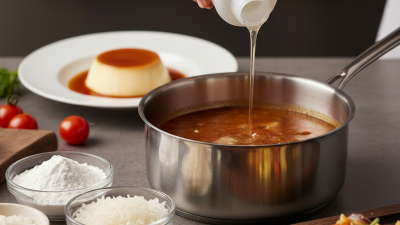
When choosing liquid thickeners, global buyers must navigate a variety of options. It’s essential to understand the viscosity these products can provide. The right thickener can enhance the texture of sauces, soups, and other culinary creations.
Tips: Always consider the source of your thickener. Natural options might be preferred, but they can vary in effectiveness. Conducting trials in small batches can help pinpoint the right type.
Balancing consistency with functionality is tricky. Some thickeners break down under heat, while others can alter flavors. Testing is vital.
Tips: Engage with suppliers to gain insights on product performance. Authentic user reviews can also guide your selection process. Remember, the best choice isn't always the most expensive.
Understanding the Liquid Thickener Market: Size and Growth Trends
The liquid thickener market is experiencing significant growth. Increasing demand in various sectors drives its expansion. Food and beverage industries particularly rely on these products. Liquid thickeners enhance texture and consistency in many formulations. They cater to specific dietary needs, improving the quality of life for consumers with swallowing difficulties.
Market research indicates a rising trend in the usage of natural ingredients. More consumers prefer products with clean labels. However, challenges exist. Finding effective natural thickeners that meet performance standards can be complex. Manufacturers face hurdles in balancing thickness and clarity. Consumer preferences shift rapidly, requiring companies to innovate continually.
Regional dynamics influence market growth as well. Emerging markets show rising demand, especially in Asia Pacific. Yet, understanding local regulations and preferences is crucial. Companies must adapt their strategies accordingly. As the competition intensifies, the focus should remain on quality and sustainability. This approach will determine long-term success in the evolving liquid thickener landscape.
Top Liquid Thickener Solutions for Global Buyers
| Region |
Market Size (USD Million) |
Growth Rate (%) |
Key Application Areas |
Thickener Types |
| North America |
300 |
5.2 |
Food & Beverages, Pharmaceuticals |
Xanthan Gum, Guar Gum |
| Europe |
250 |
4.8 |
Bakery, Personal Care |
Cellulose, Starch |
| Asia-Pacific |
400 |
6.5 |
Dairy, Sauces |
Pectin, Gellan Gum |
| Latin America |
150 |
4.0 |
Beverages, Condiments |
Agar, Locust Bean Gum |
| Middle East & Africa |
100 |
3.5 |
Soups, Health Foods |
Sodium Alginate, Modified Starch |
Key Types of Liquid Thickeners: Starch, Gum, and Cellulose Variants
Liquid thickeners play a crucial role in various industries, particularly in food and beverage production. Starches are one of the most commonly used types of liquid thickeners. They often derive from corn, potatoes, or tapioca. Starches can provide a smooth texture and are versatile across many applications. Understanding the right type of starch for a specific product can enhance its quality significantly.
Gums are another essential category of liquid thickeners. This group includes xanthan gum, guar gum, and locust bean gum. Gums offer unique properties like suspension and stabilization, making them ideal for salad dressings and sauces. These thickeners can create a desirable mouthfeel while being a bit unpredictable in terms of usage rates. It requires careful testing to determine the optimal amount needed for desired viscosity.
Cellulose variants, such as carboxymethyl cellulose, represent a third category of thickening agents. These additives are often favored for their ability to improve shelf life and texture without altering flavor. They can be challenging to work with, as overuse might lead to an undesirable grit. Balancing the right ratio is paramount for achieving the intended consistency, highlighting the need for a skilled approach in formulation.
Applications and Industries Utilizing Liquid Thickeners Globally
Liquid thickeners are essential in various industries. They adjust the viscosity of products, improving texture and consistency. In food production, thickeners enhance sauces, soups, and dressings. According to a recent report by Grand View Research, the global food thickening agents market was valued at approximately $10 billion in 2022 and is projected to grow annually by around 5%. This highlights their importance in meeting consumer demands for quality and appeal.
Pharmaceutical and cosmetics industries also rely on liquid thickeners. They improve product stability and user experience. For instance, thickeners create emollient textures in skin creams. The healthcare sector often uses thickeners to modify liquid medications for easier consumption by patients, especially those with swallowing difficulties. A study from the Journal of Food Science noted that the proper use of thickeners can increase patient adherence to treatment plans.
Despite their benefits, challenges exist in choosing the right thickener. The effectiveness of each thickener can depend on several factors, including temperature and interaction with other ingredients. Some users report inconsistencies in performance, leading to a need for careful testing and adjustment. This emphasizes the importance of research and adaptability in sourcing thickener solutions that meet specific industry needs efficiently.
Regulatory Standards and Safety Evaluations for Thickening Agents
When considering thickening agents, regulatory standards play a crucial role. Different countries have varying regulations governing the use of these agents. Many standards focus on safety evaluations, ensuring that products are safe for consumer use. For instance, some nations require toxicity testing before approval. This ensures that thickening agents do not pose health risks.
Consumer safety must be prioritized in formulation. Ingredients must be backed by research and approved studies. However, navigating these regulations can be complex. A product may be acceptable in one region but banned in another. This creates challenges for global buyers.
It's essential to rely on expert analysis during the evaluation process. Regulatory agencies often publish guidelines, but these can be vague. Companies must interpret these standards accurately. Staying updated is crucial. Mistakes in compliance can lead to recalls. A thorough understanding of safety evaluations can guide buyers in making informed decisions.
Top Liquid Thickener Solutions for Global Buyers
This chart illustrates the varying viscosity levels of popular thickening agents in food applications, measured in millipascal seconds (mPa·s). The data reflects the viscosity range commonly accepted in regulatory standards across different regions.
Conclusion
The article "Top Liquid Thickener Solutions for Global Buyers" delves into the liquid thickener market, highlighting its significant size and growth trends. Liquid thickeners, essential in various industries, come primarily in various forms such as starch, gum, and cellulose variants. Their applications span across food and beverage, pharmaceuticals, and personal care, showcasing their versatility in enhancing product consistency and texture.
Moreover, the article explores the regulatory standards and safety evaluations pertaining to thickening agents, ensuring that they meet safety requirements for consumers. It also identifies key manufacturers and suppliers in the liquid thickener sector, providing a comprehensive overview for global buyers seeking reliable sources. Overall, this article serves as a valuable resource for understanding the dynamics of the liquid thickener market and its critical role in diverse applications.