In the realm of household cleaning, nonionic surfactants play a crucial role. Renowned expert Dr. Emily Carter, a specialist in green chemistry, states, “Nonionic surfactants bring versatility and efficiency to cleaning products.” This statement underlines their importance in formulating effective solutions.
Nonionic surfactants are known for their ability to function well in various conditions. They can work in both hard and soft water, making them highly effective. This adaptability leads to remarkable cleaning results without harsh effects on surfaces or skin. Consumers often seek safer, eco-friendly options for their cleaning needs. Choosing the right nonionic surfactant can be essential in achieving superior cleaning performance.
Yet, not all nonionic surfactants are created equal. Some may not perform effectively against certain types of stains. It's vital to understand their properties and applications. Relying solely on these surfactants could lead to trial and error. A balance between efficacy and safety is crucial for a successful cleaning strategy.
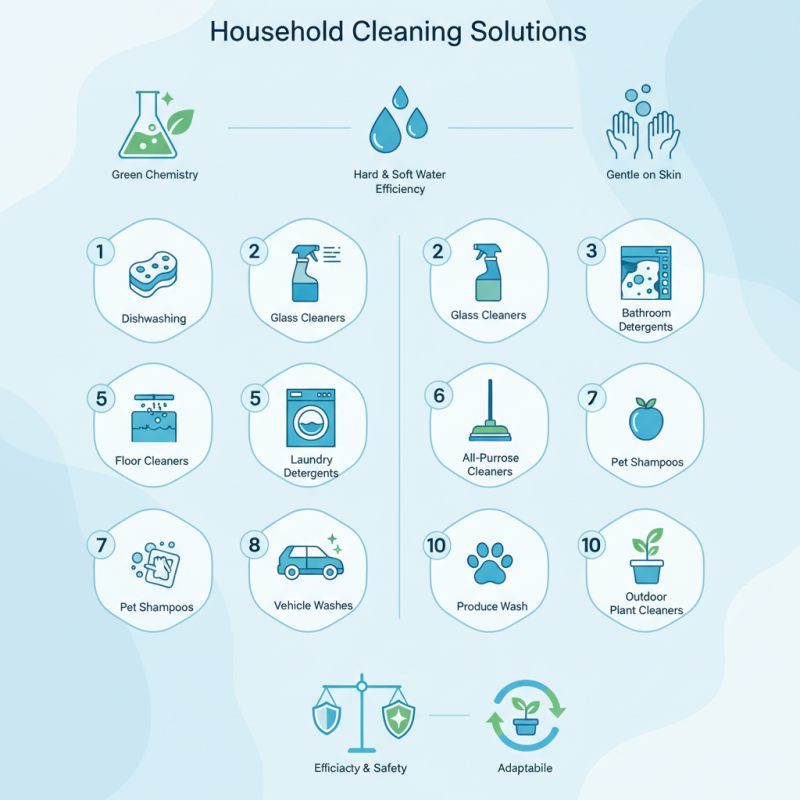
Nonionic surfactants are key components in household cleaning products. They differ from ionic surfactants because they do not carry a charge. This unique characteristic makes them effective in various applications. For instance, they can clean both oil and water-based stains, which is crucial for versatile cleaning solutions.
Research indicates that nonionic surfactants can enhance the performance of cleaning products. According to a report by the American Cleaning Institute, these surfactants improve wetting and emulsifying properties. They can increase a product's efficiency by up to 30%. This efficiency translates to less product needed for effective cleaning, which can lead to cost savings over time.
However, the environmental impact of using nonionic surfactants raises questions. Some formulations degrade slowly, which could harm aquatic life. Furthermore, the effectiveness of these surfactants can vary based on their molecular structure. Consumers may not always realize this. It's essential to understand the balance between performance and environmental responsibility when selecting cleaning solutions.
| Surfactant Name | Chemical Structure | HLB Value | Primary Usage | Advantages |
|---|---|---|---|---|
| Alkyl Polyglucoside | C8-C22 fatty alcohols with glucose | 13-15 | Washing and cleaning | Biodegradable, gentle on skin |
| Nonylphenol Ethoxylate | Nonylphenol with ethylene oxide | 13-15 | Heavy-duty cleaners | Excellent wetting and emulsifying |
| Alcohol Ethoxylate | Linear or branched alcohols with ethylene oxide | 12-18 | Household and industrial detergents | Effective in hard and soft water |
| Sorbitan Esters | Sorbitan with fatty acids | 4-15 | Emulsifiers | Mild and non-irritant |
| Cocamidopropyl Betaine | Amide from coconut oil | 29 | Personal care products | Mild surfactant, thickening properties |
| Polyoxyethylene (20) Sorbitan Monolaurate | Sorbitan laurate with ethylene glycol | 15 | Food emulsifier | Highly effective and safe for food |
| Cocamide DEA | Coconut oil derivatives | 30 | Thickener and foam booster | Enhances texture and user experience |
| Sodium Lauryl Ether Sulfate (SLES) | Alkyl ether sulfate | 28 | Cleaning and lubricating | Good foaming and degreasing |
| Glyceryl Monostearate | Glycerin ester of stearic acid | 4-6 | Emulsification and stabilization | Natural derived and bioderived |
| Lecithin | Phosphatidylcholine with fatty acids | 7-10 | Food production and cosmetics | Natural emulsifier, non-toxic |
Nonionic surfactants are essential in creating effective household cleaning solutions. They are unique because they do not carry a charge, making them versatile in various applications. According to a report by the American Cleaning Institute, these surfactants account for about 60% of the surfactants used in domestic products. Their ability to reduce surface tension empowers them to tackle grease and dirt efficiently.
One significant characteristic of nonionic surfactants is their compatibility with a wide range of formulations. They can blend with both anionic and cationic surfactants. This enhances cleaning power without causing unwanted reactions. For example, a study found that mixtures containing nonionic surfactants yielded better cleaning results on surfaces with heavy soil compared to other types. Additionally, nonionic surfactants are less likely to irritate the skin, making them safer for everyday use.
Despite their benefits, nonionic surfactants are not perfect. Their performance can vary with water hardness, which sometimes limits effectiveness. In some cases, they may require higher concentrations to achieve the desired cleaning effect, potentially increasing costs and environmental impacts. Addressing these issues remains crucial for developers in the cleaning products industry.
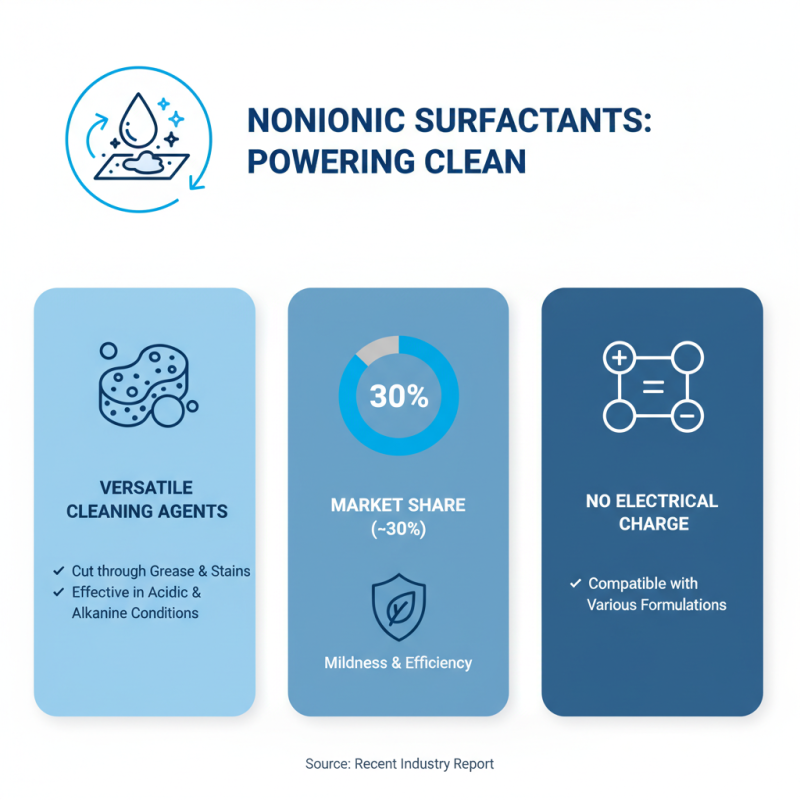
Nonionic surfactants play a crucial role in effective household cleaning solutions. They are versatile and excellent at cutting through grease and stains. According to a recent industry report, nonionic surfactants account for approximately 30% of the total surfactant market due to their mildness and efficiency. These surfactants do not carry electrical charge, making them compatible with various formulations. This charged-free nature allows them to work well in both acidic and alkaline conditions.
Effective cleaning depends on the right properties of these surfactants. Their hydrophilic and hydrophobic properties enable them to dissolve oils and dirt easily. Some common applications include dishwashing liquids, laundry detergents, and all-purpose cleaners. However, not all nonionic surfactants perform equally in different scenarios. For instance, certain formulations might not effectively remove tough stains or may leave residues. Recognizing these limitations is crucial for selecting the right cleaning solution.
Research shows that using a combination of nonionic surfactants can enhance cleaning efficiency. However, the balance between effectiveness and safety is delicate. Over-concentration can lead to skin irritation or environmental concerns. It is essential to be reflective when choosing surfactants, ensuring they meet both cleaning needs and safety standards. Balancing these factors contributes to more effective and responsible cleaning practices at home.
Nonionic surfactants are a popular choice in household cleaning. They offer excellent cleaning power without the harsh effects of other types. Unlike anionic and cationic surfactants, nonionics maintain stability in various conditions. This stability makes them effective in a wide range of temperatures and pH levels.
When comparing nonionic surfactants to others, their ability to remove grease and stains stands out. They interact well with oils and dirt, breaking them down effectively. However, they may not always perform as well in very hard water. Sometimes, their performance can be influenced by the presence of other cleaners.
Yet, nonionic surfactants can come with disadvantages too. They might require higher concentrations to achieve the same results as other surfactants. The cleaning efficacy can sometimes depend on the formulation. It’s important to find the right balance for specific cleaning needs. Experimentation may help to uncover the best combinations for effective household solutions.
When considering nonionic surfactants for household cleaning, safety is paramount. These substances often feature low toxicity levels, making them safer for use around children and pets. However, the concentration matters. Even safe ingredients can be harmful in high doses.
Environmental considerations also play a crucial role. Nonionic surfactants tend to be biodegradable, which is a significant advantage. Yet, their environmental impact isn't fully understood. Some may accumulate in water systems, affecting aquatic life. There's still room for research, as many household products often overlook the ingredient's potential effects on ecosystems.
Moreover, users should be aware of their own sensitivities. While nonionic surfactants are generally mild, some individuals might experience irritation. Regular monitoring of skin reactions is wise. It’s essential to balance effective cleaning with safety for both our homes and the environment. Adjusting usage based on individual needs can lead to a more responsible approach.