How to Use Anionic Surfactant for Effective Cleaning?
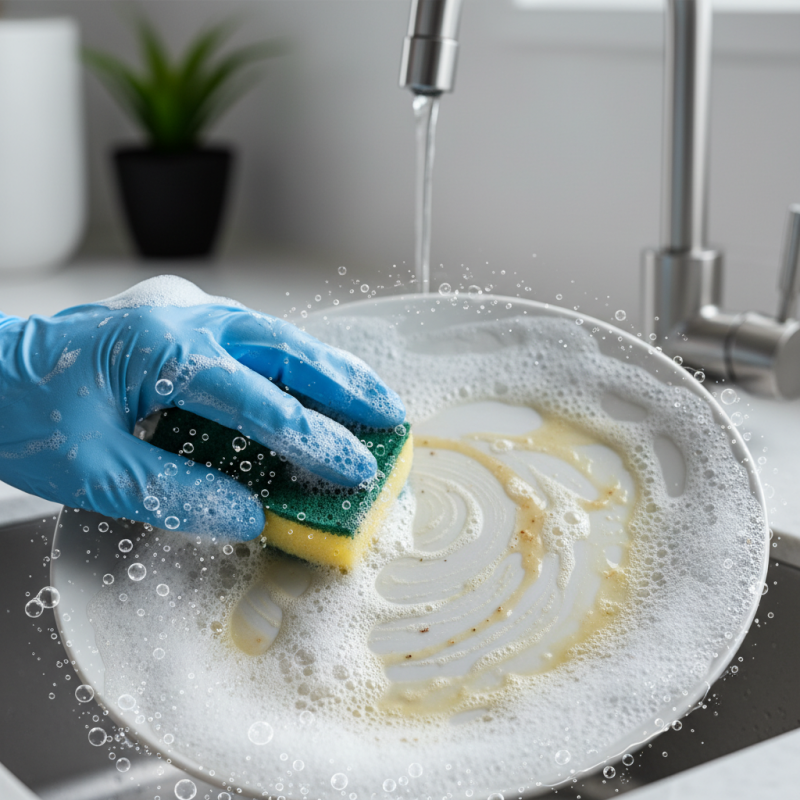
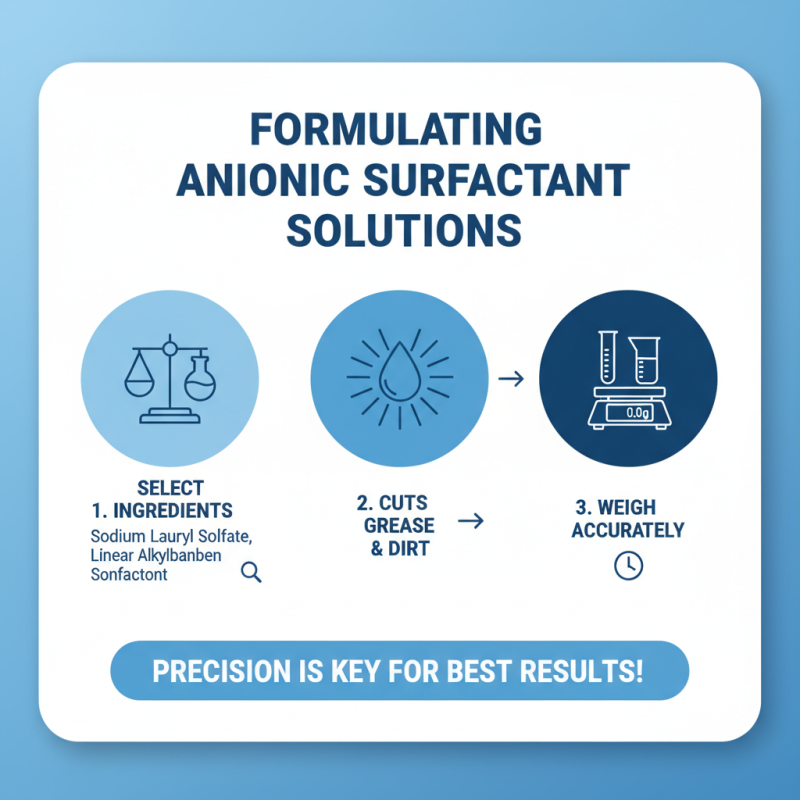
Anionic surfactants are powerful agents in the cleaning industry. They play a crucial role in breaking down dirt and grease. These surfactants work by reducing surface tension, allowing liquids to spread and penetrate surfaces more effectively.
Using anionic surfactants can transform your cleaning routine. They are often found in laundry detergents and dish soaps, enhancing their performance. However, improper use can lead to issues. For example, excessive amounts may result in residue or reduced effectiveness. Understanding the right concentration is key.
Experimenting with anionic surfactants can yield impressive results, but caution is essential. Mixing with incompatible substances can produce unwanted reactions. Recognizing the significance of these surfactants is vital. They are not just ingredients; they are the backbone of effective cleaning solutions.
Understanding Anionic Surfactants and Their Cleaning Mechanisms
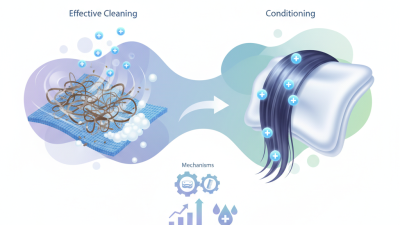
Anionic surfactants play a crucial role in cleaning applications. They possess negatively charged hydrophilic heads that attract water. This structure makes them effective at removing dirt and oils. According to the Journal of Surfactants and Detergents, anionic surfactants can reduce surface tension by up to 40%. This reduction allows water to penetrate and dislodge soil more effectively.
The cleaning mechanism involves the surfactant molecules surrounding dirt particles. They form micelles, trapping the dirt within. This process enhances the removal of grease and grime in various formulations. A study published in the International Journal of Chemistry reported that cleaning efficiency increases significantly when anionic surfactants are present in formulations. They can outperform non-ionic surfactants in specific scenarios.
However, using anionic surfactants does come with challenges. Hard water can interfere with their effectiveness. The presence of calcium and magnesium ions can lower their activity. Additionally, residual surfactant can lead to environmental concerns. Some formulations might not fully degrade, leading to potential pollution. It's essential to consider these factors carefully to optimize cleaning solutions.
Cleaning Efficiency of Anionic Surfactants Against Various Stains
Identifying Suitable Applications for Anionic Surfactants in Cleaning Products
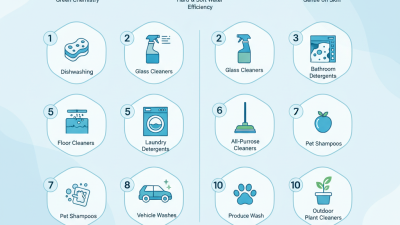
Anionic surfactants are effective cleaners. These compounds are negatively charged, which helps remove dirt and stains. They work well in a variety of cleaning products. Their strong foaming abilities make them ideal for household cleaners and detergents.
When considering suitable applications, think about textiles and surfaces. Anionic surfactants excel in laundry detergents, tackling grease and grime. Surfaces in kitchens and bathrooms benefit from their cleaning power too. However, while they are effective, they can be harsh on some materials. This risk requires careful consideration during formulation.
In industrial settings, these surfactants play a significant role. They help with oil spill cleanup and heavy machinery maintenance. Yet, not every application suits their intense cleansing properties. Understanding the limitations and potential drawbacks is essential. Identification of the right use ensures both effectiveness and safety in cleaning practices.
How to Use Anionic Surfactant for Effective Cleaning? - Identifying Suitable Applications for Anionic Surfactants in Cleaning Products
| Application Area |
Type of Anionic Surfactant |
Effectiveness |
Additional Benefits |
| Household Cleaning |
Sodium Lauryl Sulfate |
High foaming, excellent grease removal |
Cost-effective, biodegradable |
| Industrial Cleaning |
Linear Alkylbenzene Sulfonate |
Powerful dirt and stain removal |
Low toxicity, excellent hard water tolerance |
| Personal Care Products |
Sodium Coco Sulfate |
Gentle cleansing with good lather |
Natural alternative, derived from coconut oil |
| Textile Industry |
Sodium Olefin Sulfonate |
Effective in removing oils and stains |
Compatible with various fabric types |
| Food Industry |
Sodium Dodecylbenzenesulfonate |
Strong degreaser for food processing equipment |
Breaks down fats effectively |
Best Practices for Using Anionic Surfactants in Various Cleaning Scenarios
Anionic surfactants are powerful cleaning agents. They effectively break down dirt and grease. These surfactants work well in various situations. For instance, consider their use in household cleaning. A solution with the right concentration may efficiently clean surfaces. However, achieving this balance can sometimes be tricky.
When using anionic surfactants, ensure proper dilution. Using too much can leave residues. Surfaces may become slippery if not rinsed thoroughly. This could lead to unintended accidents. It's crucial to test in small areas first. Pay attention to the material you are cleaning. Not all surfaces respond the same way.
In industrial settings, they are essential too. They can be used in car washes or food processing areas. Timing your application can impact effectiveness. Apply them correctly but remember to assess outcomes. Sometimes, the results aren’t what you expect. Reflecting on these experiences helps in refining your approach.
Safety Precautions and Environmental Considerations with Anionic Surfactants
Anionic surfactants are effective cleaning agents, but safety is crucial. They can irritate the skin and eyes. According to the American Cleaning Institute, a significant percentage of surfactant-related injuries stem from improper handling. Always wear gloves and goggles when using them. This minimizes direct exposure and potential harm.
Environmental considerations cannot be overlooked. Anionic surfactants, while biodegradable, may still impact aquatic life. Studies show that certain types can accumulate in water bodies, affecting organisms. It's essential to use these products responsibly. Look for formulations with lower environmental impact ratings. Check for easy biodegradability and low toxicity levels.
Users must be aware of potential long-term effects. Continuous use can lead to issues in marine ecosystems. Awareness creates a balance between cleaning efficacy and environmental safety. Industry data suggests a shift towards greener alternatives is gaining traction. This highlights a growing acknowledgment of the need for safer practices in cleaning.