2026 How to Use Liquid Thickener for Optimal Results?
Liquid Thickener is a versatile tool in food preparation, especially for those with swallowing difficulties. Understanding its usage is crucial for achieving optimal results. This guide explores practical applications, tips, and potential pitfalls.
Using Liquid Thickener can enhance the texture of various foods and drinks. When adding it, measure carefully to meet individual needs. It's important to recognize that not every type of thickener works the same way. Experimentation may be necessary to find the right consistency.
Some individuals might struggle with creating a perfect mixture. This can lead to frustration. Remember to stir well, allowing the thickener to dissolve completely. Observing changes in texture is key to mastering its use. Don't hesitate to adjust as needed.
Understanding Liquid Thickeners: Types and Applications
Liquid thickeners play a crucial role in various applications, especially for individuals with swallowing difficulties. Understanding the types of liquid thickeners available can significantly enhance the quality of life for these individuals. The two main types are starch-based and xanthan gum-based thickeners. Starch-based thickeners tend to be more palatable, while xanthan gum offers stability across a wider range of temperatures.
A report by the European Food Safety Authority indicates that over 20% of elderly individuals experience dysphagia. This condition can lead to serious health issues if not managed properly. Liquid thickeners can help in modifying the viscosity of liquids, making them safer to swallow. The ideal consistency is often categorized from thin to extra-thick. For instance, nectar-thick liquids are easier to manage than pudding-thick options, which can sometimes be overwhelming.
However, improper usage of liquid thickeners can lead to inconsistent results. Some caregivers might struggle with achieving the desired thickness. This can create frustration and lead to neglect of dietary needs, ultimately affecting nutrition. It’s vital to measure accurately and mix thoroughly, yet mistakes still happen. Encouraging patient feedback on textures can help refine approaches, making thickeners more effective and enjoyable.
Determining the Right Consistency: Measuring and Mixing Techniques
Determining the right consistency when using liquid thickener is crucial. Start by assessing the desired texture. For some recipes, a syrupy thickness works best. Others might need a more pudding-like consistency. Measuring accurately is the key. Use a kitchen scale or measuring cups for precise amounts. It’s essential to follow the instructions carefully, but don’t be afraid to adjust as you mix.
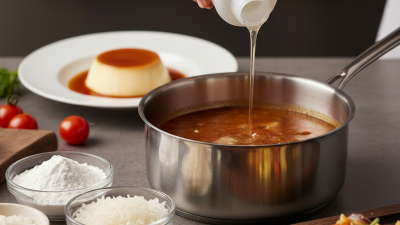
When mixing, pour the thickener slowly into the liquid. Stir continuously to avoid clumps. If the mixture feels too runny, add a bit more thickener. On the flip side, if it’s too thick, you can dilute it with water. Be patient. Achieving the perfect blend can take time. It’s okay to test as you go. Sometimes, the end result is not what you expected, and that’s part of the learning process. Experimenting can lead to unexpected flavors and textures that might surprise you.
Optimal Consistency of Liquid Thickener
Tips for Achieving Optimal Flavor and Texture in Thickened Liquids
Achieving the perfect flavor and texture in thickened liquids can be tricky. Liquid thickeners offer versatility, but using them effectively is key. Start with the right amount. Too much can make a liquid unpalatable. Aim for a Smooth Consistency. If it’s lumpy, it won’t be enjoyable.
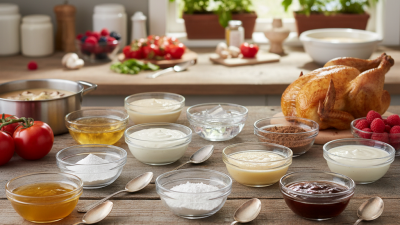
Different liquids require different approaches. For example, broth responds well to thickeners, enhancing its mouthfeel. However, juices can become overly viscous. Balance is crucial. Keep testing until you find what works for you.
Experiment with flavors. Adding herbs or spices can elevate a bland thickened liquid. Just be cautious. Strong flavors might overpower the original taste. It’s a fine line to walk. Don't hesitate to take notes on your attempts. Reflect on what you like and what needs improvement.
Common Mistakes to Avoid When Using Liquid Thickeners
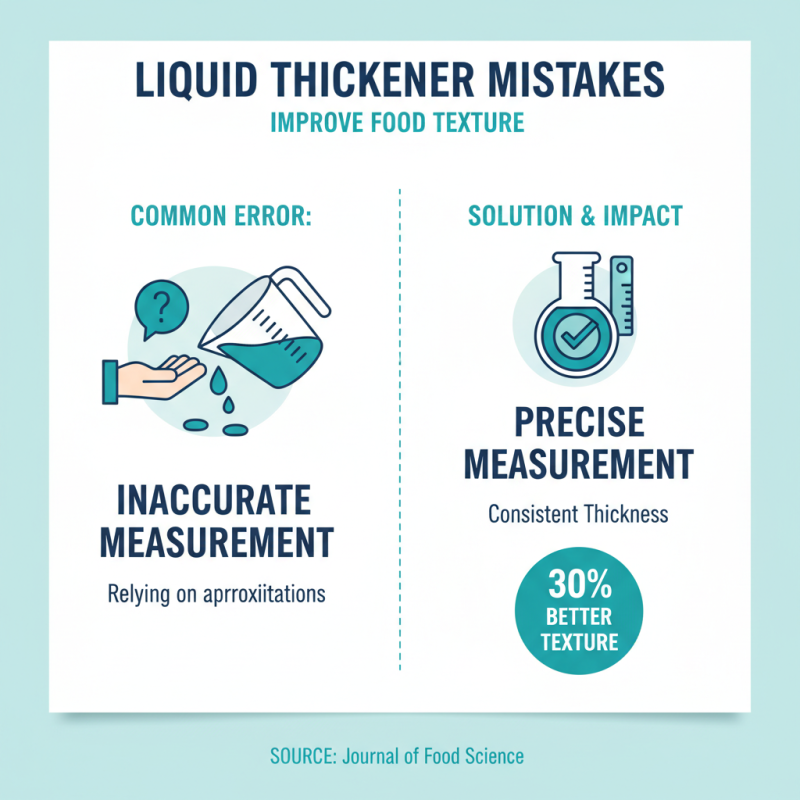
When using liquid thickeners, many people make common mistakes that can hinder results. One frequent error is not measuring accurately. According to a report by the Journal of Food Science, precise measurement improves food texture by 30%. Relying on approximations can lead to inconsistent thickness, affecting the overall experience.
Another mistake is failing to mix thoroughly. Many users may pour the thickener directly into the liquid. This can create lumps and uneven consistency. A study from the Culinary Institute reveals that thorough mixing reduces lumpy textures by 50%. Using a whisk or blender is often a better choice for optimal outcomes.
Temperature also plays a crucial role in the thickening process. Using cold liquid can delay the thickening effect. In fact, research indicates that activating thickeners in warm temperatures can produce results up to 40% faster. Yet, many overlook this simple aspect. Taking time to understand the ideal temperature can significantly elevate dish quality.
Storing and Shelf Life: Best Practices for Liquid Thickeners
Proper storage of liquid thickeners is crucial for maintaining their effectiveness. According to industry reports, improper storage can reduce their thickening power by up to 30%. It’s vital to keep these products in a cool, dry place. Storing them in direct sunlight can cause degradation.
When it comes to shelf life, most liquid thickeners typically remain effective for 12 to 24 months after opening. After this period, their quality may diminish. Packaging plays an important role; products in opaque containers often last longer due to reduced light exposure. Always check for signs of separation or changes in texture. Such alterations could indicate that the thickener is no longer suitable for use.
In terms of refrigeration, it’s not always necessary unless specified. Unopened thickeners usually don’t require chilling. However, opened ones with added ingredients might benefit from it. Monitoring the expiration date is essential. Using thickening agents past their prime may lead to inconsistent results in cooking or food preparation. Keeping a diligent eye on these factors ensures optimal performance.