2026 How to Use Non-Ionic Surfactant for Effective Cleaning Solutions?
In today's world, cleaning solutions have evolved significantly. Among these innovations, the Non-Ionic Surfactant stands out. This versatile agent offers effective cleaning without the harshness seen in other surfactants. It is often preferred for its ability to maintain surface tension while providing powerful cleaning capabilities.
Using Non-Ionic Surfactant can transform how we approach cleaning. From households to industrial settings, its applications are vast. Imagine a kitchen counter, sparkling clean without harmful residues. However, users should be mindful about the concentration levels used. Too much can create unnecessary foam. Too little may lead to ineffective cleaning.
While the benefits are clear, challenges exist. Not all surfaces react the same way to Non-Ionic Surfactant. Some materials may require testing for compatibility. Cleanup afterward can also be an issue if not rinsed properly. Finding the balance between effectiveness and safety is crucial.
Understanding Non-Ionic Surfactants and Their Role in Cleaning Solutions
Non-ionic surfactants are powerful agents widely used in cleaning solutions. They have unique properties that make them versatile. Unlike ionic surfactants, they do not carry a charge. This allows them to work well in various pH conditions. They help to break down grease and dirt, making cleaning more effective.
When using non-ionic surfactants, it is essential to consider their concentration. Too much can create excess foam. This can lead to a messy cleaning process. A small amount often goes a long way. Dilution is often necessary. Finding the right balance can be tricky. Observing the results can help refine the approach.
Incorporating non-ionic surfactants into cleaning solutions requires understanding their role. They can work alongside other ingredients. For example, pairing them with enzymes can enhance stain removal. However, the combination should be tested carefully. There might be unexpected reactions. Regularly reassessing the effectiveness of the cleaning solution is crucial. Adjusting based on results can lead to better outcomes.
Benefits of Using Non-Ionic Surfactants Over Other Surfactant Types
Non-ionic surfactants offer several advantages over their ionic counterparts. They are less sensitive to water chemistry, allowing for stable performance in various environments. This stability means they can work effectively in hard water, unlike anionic surfactants that can lose effectiveness. Due to their mildness, non-ionic surfactants are ideal for sensitive surfaces, preventing damage during cleaning.
Moreover, non-ionic surfactants are versatile. They lower surface tension, promoting even spread in cleaning solutions. This property helps in removing grease and grime more efficiently. Additionally, they are less likely to create foam, which can be a drawback in many cleaning applications. We can focus on achieving better results without the hassle of excessive bubbles.
Despite their benefits, there are challenges. Their effectiveness can vary based on concentration and formulation. Finding the right balance may require experimentation. Some users may find these surfactants less effective in heavy-duty scenarios. It’s essential to evaluate and reflect upon different cleaning needs before making decisions.
Step-by-Step Guide to Formulating Cleaning Solutions with Non-Ionic Surfactants
Non-ionic surfactants are versatile agents in cleaning solutions. They reduce surface tension and improve wetting properties. This makes them popular for various cleaning tasks. Formulating cleaning solutions with them can be straightforward.
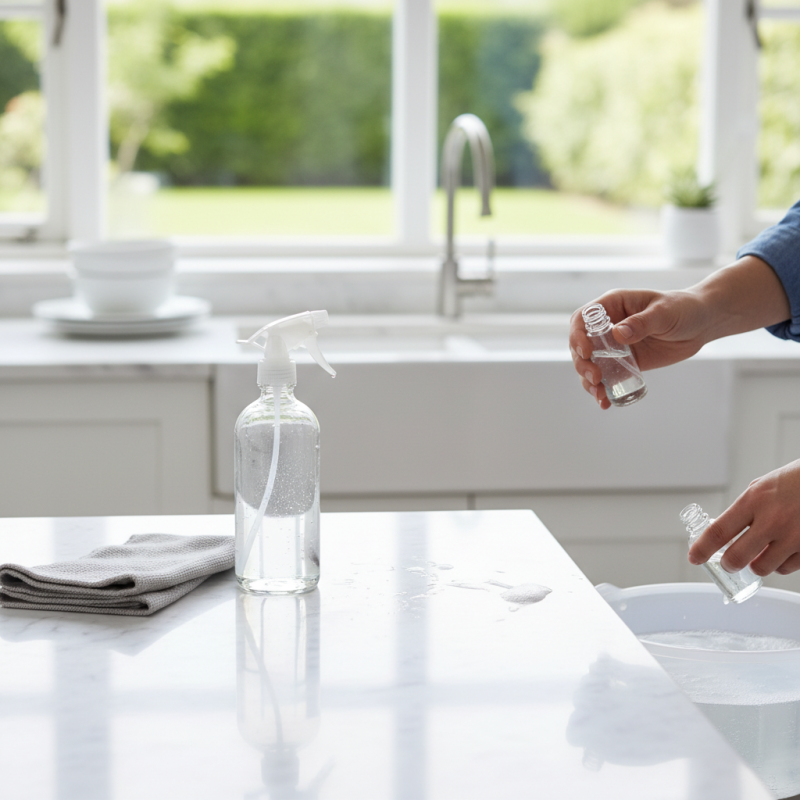
Begin by determining the purpose of your cleaner. Mix non-ionic surfactants with water in a clean container. Use a stirring stick to blend well. Aim for a concentration of 5-15%. This range provides effective cleaning without excessive foam.
Tips: Always test your formula on a small surface first. This helps avoid unexpected reactions. Adjust the surfactant amount based on results. If you find the cleaner too thick, add more water gradually.
Consider combining non-ionic surfactants with other ingredients for enhanced cleaning. For instance, adding oils can improve grease-cutting abilities. However, be cautious. Some combinations may not work well together. Keep notes on what you use and any observations to refine your formula.
2026 How to Use Non-Ionic Surfactant for Effective Cleaning Solutions? - Step-by-Step Guide to Formulating Cleaning Solutions with Non-Ionic Surfactants
| Ingredient |
Function |
Recommended Percentage |
Notes |
| Cocamidopropyl Betaine |
Foaming Agent |
5-10% |
Gentle on skin, enhances foam |
| Decyl Glucoside |
Cleaning Agent |
5-15% |
Mild and biodegradable |
| Polyethylene Glycol (PEG) |
Thickener |
1-5% |
Improves texture and viscosity |
| Sodium Citrate |
pH Adjuster |
0.5-2% |
Helps maintain optimal pH |
| Fragrance |
Aromatic Enhancer |
0.1-1% |
Use natural or synthetic |
Best Practices for Mixing and Using Non-Ionic Surfactants Effectively
Non-ionic surfactants are versatile agents in cleaning solutions. Their effectiveness lies in their ability to reduce surface tension, allowing for better penetration into dirt and grease. According to industry data, these surfactants can enhance cleaning power by up to 30%. This improvement, however, depends on proper mixing and application techniques.
Mixing non-ionic surfactants requires careful attention. Use soft water to avoid formation of precipitates. The ideal temperature for mixing is around 25°C. Avoid exceeding temperatures of 45°C, as this may degrade the surfactant. Be mindful of pH levels too. Non-ionic surfactants typically perform best at neutral pH.
Trial and error are often necessary to find the best concentration for specific cleaning tasks. Starting with a 5-10% solution is a good practice. Adjust as needed based on results. However, remember that effectiveness can vary. In some instances, additional boosting agents may be required. Proper storage is also crucial. Keep products in a dry, cool place to maintain their efficacy.
Effectiveness of Non-Ionic Surfactants in Cleaning Solutions
This bar chart illustrates the relationship between the concentration of non-ionic surfactants and their corresponding cleaning efficiency. As the concentration increases, the effectiveness of the cleaning solutions improves significantly, reaching up to 95% at 5% concentration.
Common Applications and Industries Utilizing Non-Ionic Surfactant Solutions
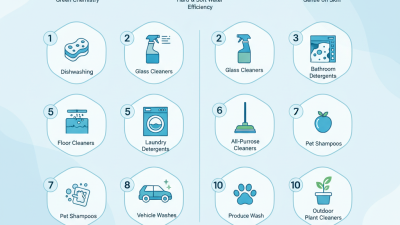
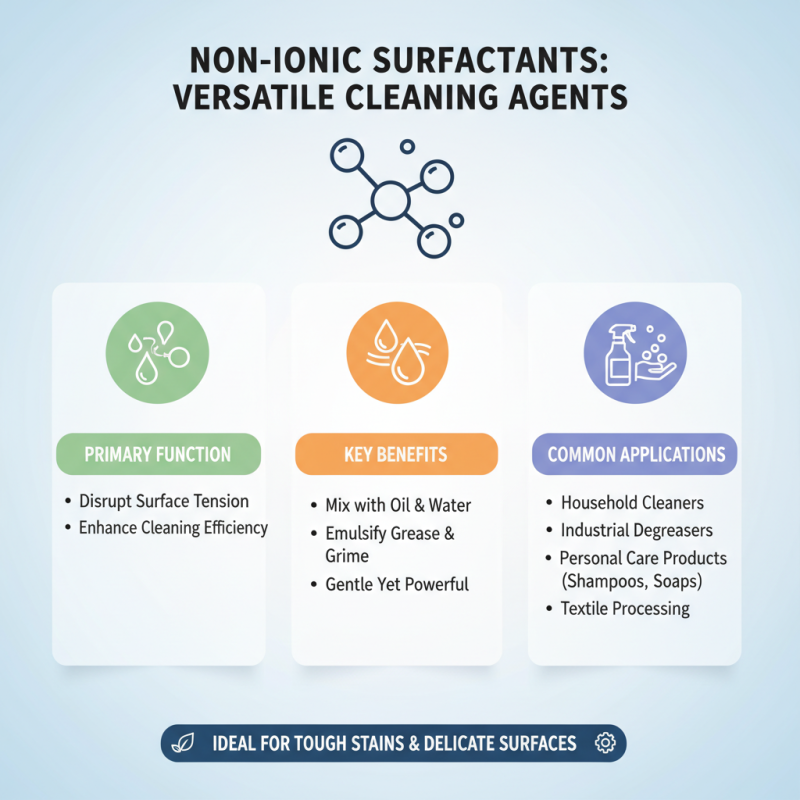
Non-ionic surfactants are versatile agents in various industries. Their ability to disrupt surface tension makes them ideal for cleaning applications. These surfactants excel in formulations for household cleaners, industrial degreasers, and personal care products. They mix well with oils and water, enhancing overall cleaning efficiency. This property makes them suitable for diverse tasks, from removing tough grime to emulsifying oils.
In the agricultural sector, non-ionic surfactants are used to improve pesticide and herbicide effectiveness. By reducing droplet size, they promote better coverage on plant surfaces. The automotive industry also relies on these surfactants for effective surface cleaning and paint formulations. However, it’s essential to assess their compatibility with specific materials. Some non-ionic options might not work well with particular surfaces, leading to unwanted residues.
It's intriguing to see the widespread use of non-ionic surfactants. Yet, there’s room for improvement in formulations. Developers often face challenges in achieving the perfect balance. Concentrations need careful consideration, as too much can leave streaks or residues. Testing and revising formulations based on real-world feedback can enhance cleaning outcomes significantly. This iterative process is vital for optimizing product performance.