How to Use Xanthan Gum Bulk for Perfect Baking and Cooking?
Xanthan Gum Bulk is a versatile ingredient in modern baking and cooking. Its unique properties make it an essential tool for achieving the desired texture in various recipes. For home bakers, using xanthan gum can transform gluten-free mixtures into delightful treats. It helps to bind ingredients together, providing that necessary elasticity often missing in gluten-free flours.
However, not all xanthan gum products are created equal. Quality and sourcing are crucial factors that can affect your baking results. Many find that sourcing xanthan gum in bulk offers better value and quality. This approach gives you control over the consistency of your baked goods.
Yet, experimenting with xanthan gum can involve some trial and error. Too much can lead to a gummy texture, while too little may result in dryness. Learning the right balance is key. Understanding how to incorporate xanthan gum bulk into your recipes efficiently will ultimately enhance your cooking and baking adventures.
Understanding Xanthan Gum: What It Is and How It Works
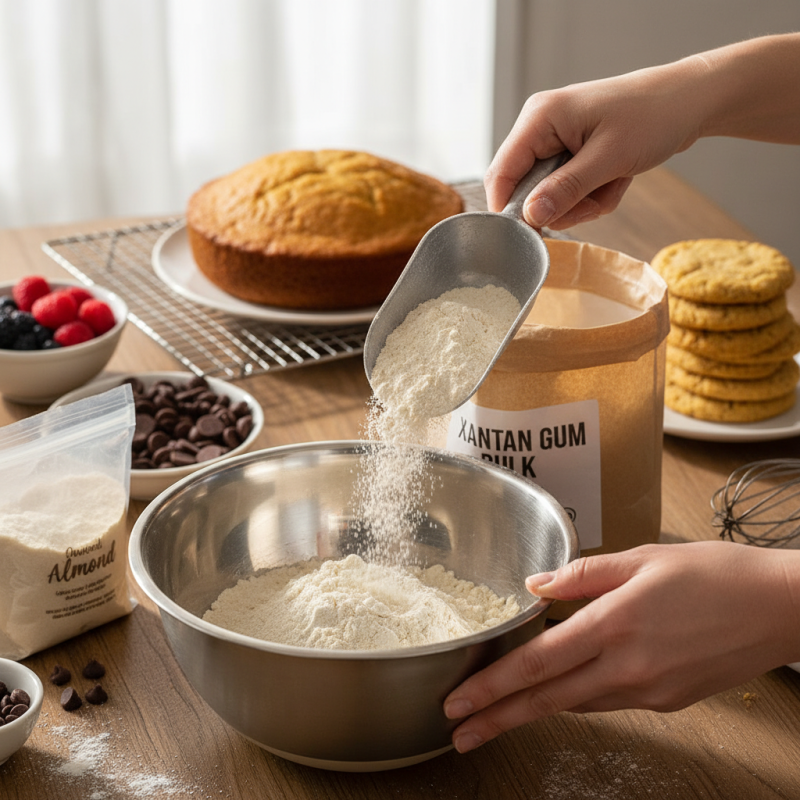
Xanthan gum is a powerful thickener and stabilizer. It’s a polysaccharide produced by fermentation. This ingredient is popular in gluten-free baking. It mimics the properties of gluten, providing structure to doughs. When used correctly, xanthan gum can enhance the texture of baked goods.
In cooking, xanthan gum prevents ingredients from separating. It improves the mouthfeel in sauces and dressings. To use it effectively, start with small amounts. A quarter to half a teaspoon is usually enough for a cup of liquid. Mix it well to avoid clumping.
**Tip:** Always hydrate xanthan gum before adding it to recipes. Mixing it with oil or a small amount of liquid helps. This creates a smoother consistency. Keep in mind that using too much xanthan gum can lead to a gummy texture. Experiment slowly to achieve the desired thickness.
Benefits of Using Xanthan Gum in Baking and Cooking
Xanthan gum is a powerful ingredient for baking and cooking. Its unique properties help improve texture and stability. This polysaccharide is created through the fermentation of sugars by the bacteria Xanthomonas campestris. Studies show that it can enhance moisture retention in baked goods by up to 20%. This is especially beneficial for gluten-free recipes, which often lack the elasticity of traditional dough.
Using xanthan gum can yield fluffy cakes and chewy cookies. It acts as a thickener in sauces and gravies, providing a smooth mouthfeel. The American Association of Cereal Chemists notes that incorporating xanthan gum can mitigate crumbliness in gluten-free bread. However, careful measurement is essential. Too much xanthan gum can lead to a gummy texture.
**Tip:** Start with 1/4 teaspoon for every cup of flour. Gradually adjust based on your results. Remember, every recipe is unique.
Xanthan gum also aids in emulsifying ingredients. This leads to a more homogenous mixture in dressings. However, some bakers find it tricky to achieve the right balance. It may require practice to master its use. Overuse can result in a too-thick consistency, affecting your final product.
**Tip:** Test small batches first. This allows you to refine your technique without wasting ingredients. Flexibility in approach can enhance your culinary outcomes.
Effects of Xanthan Gum in Baking
This chart illustrates the various benefits of using Xanthan Gum in baking and cooking. The effectiveness percentages show how much Xanthan Gum can improve texture, retain moisture, enhance rising ability, provide stability, and increase shelf life of baked goods.
How to Incorporate Xanthan Gum into Various Recipes
Xanthan gum is a versatile ingredient that can elevate your baking and cooking. Incorporating it into recipes requires some understanding of its properties. This thickening agent is derived from fermented sugar and is widely recognized for its ability to enhance texture. For gluten-free baking, it serves as a binder, mimicking the elasticity of gluten. According to a 2021 report from the Food Industry Association, more than 30% of the population seeks gluten-free products. Xanthan gum is a key ingredient for them.
To use xanthan gum effectively, start with small amounts. For instance, use just 1 teaspoon for every cup of flour in baked goods. If you're making sauces or dressings, blend 1/2 teaspoon into your liquids. It disperses easily, but be cautious. Overuse can create a gummy texture that many find unappealing. Experimentation is essential. Many home cooks find the perfect balance by trial and error.
Incorporating xanthan gum into recipes can be a learning process. It requires adjustments based on humidity and ingredients. Some users report inconsistencies in the end product from batch to batch. Experience plays a huge role in achieving desired results. According to culinary experts, the right technique can lead to great discoveries, enhancing both taste and texture in your dishes.
Tips for Measuring and Storing Xanthan Gum Properly
Xanthan gum is a powerful ingredient in baking and cooking. Using it properly can enhance your recipes. However, measuring and storing xanthan gum require attention to detail.
When measuring xanthan gum, use a scale for accuracy. Even a small difference in measurement can alter the texture of your dish. A general guideline is to use about 1 teaspoon per cup of liquid. Yet, this can vary based on your specific recipe. Always start with less if you're unsure; you can add more if needed.
Storage is equally vital. Keep xanthan gum in a cool, dry place. An airtight container works best. Moisture can clump xanthan gum, making it difficult to use. If clumping occurs, consider sifting it before use. Regularly check for any changes in smell or texture. This will ensure you have fresh xanthan gum for your cooking adventures.
How to Use Xanthan Gum Bulk for Perfect Baking and Cooking? - Tips for Measuring and Storing Xanthan Gum Properly
| Aspect |
Details |
| Measurement |
Use a kitchen scale for accurate measuring; typical usage is about 1/4 to 1 teaspoon per cup of liquid. |
| Preparation Tips |
Mix xanthan gum with dry ingredients before adding to liquids to prevent clumping. |
| Storing |
Store in a cool, dry place in an airtight container for maximum shelf life. |
| Usage in Baking |
Great for gluten-free recipes to improve texture and moisture retention. |
| Usage in Cooking |
Useful for thickening sauces, soups, and dressings without altering flavor. |
Common Mistakes to Avoid When Using Xanthan Gum
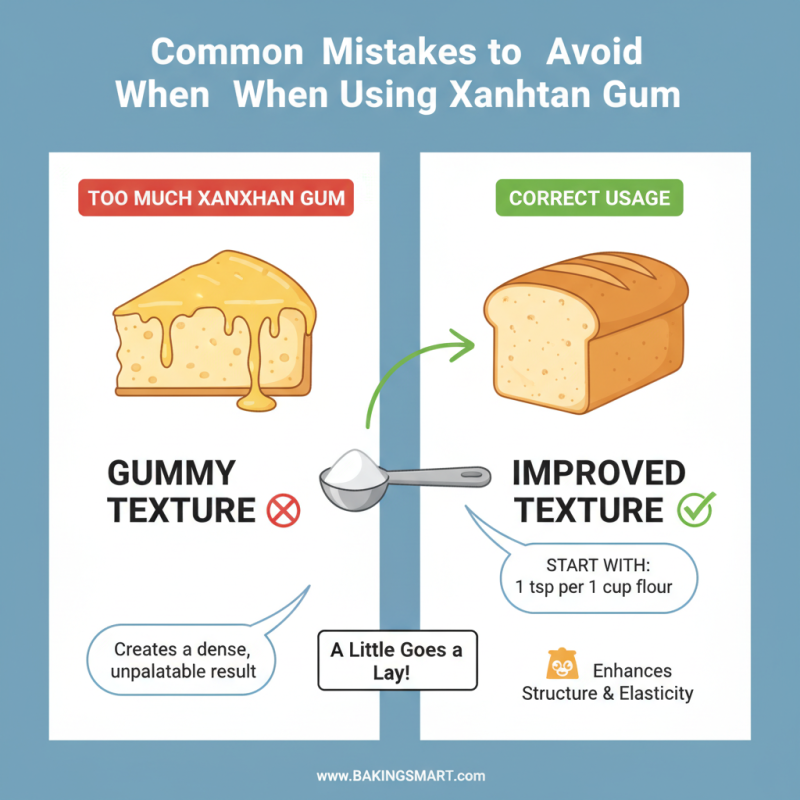
When using xanthan gum in baking and cooking, common mistakes can impact your results. One frequent error is using too much xanthan gum. It can create a gummy texture in baked goods. A small amount is often sufficient. Start with one teaspoon for every cup of flour. This can enhance texture without overwhelming your dish.
Another mistake is failing to mix xanthan gum properly. If added directly to dry ingredients, it may clump. To avoid this, whisk it with the flour before combining with wet ingredients. This ensures an even distribution.
Tips: Gradually add liquids after incorporating xanthan gum. This allows for adjustments as needed. If your baking still seems off, reconsider the ratios and mixing methods. Sometimes, a missed step can lead to problems. Take notes for your next attempt to improve consistently. Remember, practice helps refine your technique.