Why Choose Xanthan Gum Bulk for Your Recipes and Food Products?
In the culinary world, the choice of ingredients can make or break a recipe. One often overlooked ingredient is Xanthan Gum Bulk. Renowned food scientist Dr. Emily Carter states, “Xanthan Gum Bulk enhances texture and stability in various foods.” This highlights its significance in both home cooking and food production.
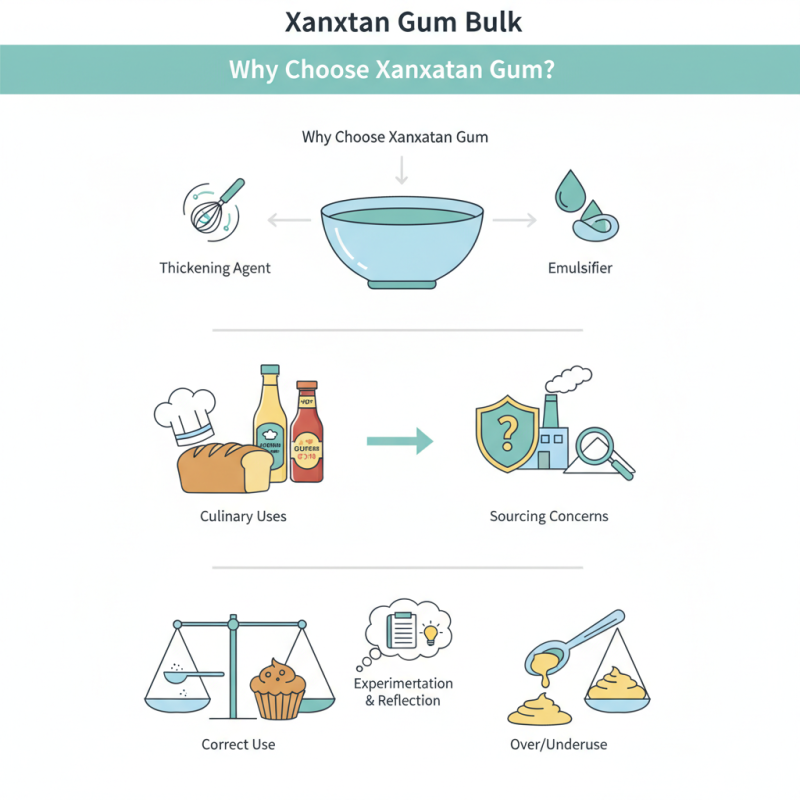
Xanthan Gum Bulk serves multiple purposes. It acts as a thickening agent, a stabilizer, and an emulsifier. Whether you are creating sauces or baking gluten-free goods, it plays a vital role. However, its sourcing can be imperfect. Some people might find it hard to trust its quality.
Moreover, understanding how to use Xanthan Gum Bulk can be tricky. Overuse can lead to undesirable results, while underuse might not yield the intended texture. It's essential to experiment and reflect on the quantities you use. Embracing these challenges will lead to better culinary experiences.
Benefits of Xanthan Gum in Bulk for Food Applications
Xanthan gum has gained attention in the food industry for its unique properties. This versatile thickening agent enhances texture and stability in various recipes. According to a recent market analysis, the global xanthan gum market is projected to reach $1 billion by 2025. This growth highlights the demand for high-quality ingredients in food applications.
One of the main benefits of buying xanthan gum in bulk is cost efficiency. Bulk purchasing reduces the price per unit, making it an attractive option for food manufacturers. Additionally, xanthan gum provides excellent emulsifying and stabilizing capabilities. It can maintain the viscosity of sauces and dressings, even under extreme temperature changes. Research indicates that xanthan gum can increase the shelf life of products by preventing ingredient separation.
However, challenges exist in its usage. Some recipes may require precise measurements to avoid undesirable textures. Overuse can lead to a slimy consistency, which can be off-putting for consumers. Reflecting on these factors is essential for food developers seeking to leverage xanthan gum effectively. Balancing the benefits while being mindful of potential pitfalls ensures optimal results in food products.
How Xanthan Gum Enhances Texture and Consistency in Recipes
Xanthan gum is a powerful ingredient in the kitchen. It enhances texture and consistency in recipes. When added to sauces, it creates a smooth and glossy finish. This can make even the simplest dish seem gourmet. Its thickening properties can turn a runny soup into a velvety delight.
Baking recipes often benefit from xanthan gum as well. Gluten-free doughs can be tricky, but this ingredient helps mimic the elasticity of gluten. It binds ingredients together, making the dough easier to handle. However, using too much can lead to a gummy texture. A careful balance is crucial.
In salad dressings, xanthan gum acts as a stabilizer. It prevents separation, ensuring a uniform mixture. This can elevate a dressing from average to exceptional. While xanthan gum is beneficial, experimenting with it can be a learning curve. Every recipe is unique, and finding the right amounts takes practice. Embrace the imperfections to discover the true potential of this remarkable ingredient.
Cost-Effectiveness of Purchasing Xanthan Gum in Bulk
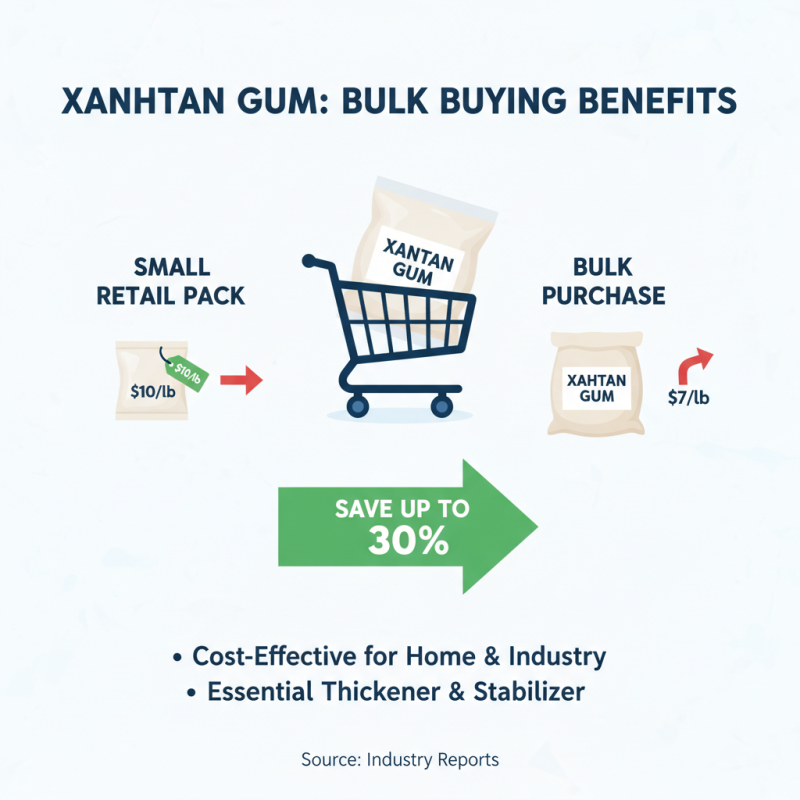
Purchasing xanthan gum in bulk can be a smart move for both home cooks and food manufacturers. Industry reports indicate that buying in larger quantities can reduce costs by up to 30%. This is significant, especially considering that xanthan gum is widely used as a thickener and stabilizer. For example, a typical small retail package of xanthan gum might cost around $10 per pound. In contrast, buying in bulk can bring the price down to approximately $7 per pound.
There are other benefits beyond pricing. When purchased in bulk, xanthan gum often comes with fewer packaging materials. This not only cuts costs but also helps reduce waste. A study found that reducing packaging waste by just 5% could lead to savings of millions in production costs across the food industry. However, it's crucial to consider storage. Bulk quantities require adequate storage space and proper sealing to maintain freshness.
Despite these advantages, there can be drawbacks. If not used quickly enough, bulk xanthan gum can lose efficacy. Moreover, not all recipes call for large amounts. A balance must be struck between saving money and practicality. While bulk purchasing seems beneficial, it's worth reflecting on personal usage rates. For infrequent users, a small package may be more suitable.
Versatility of Xanthan Gum across Various Culinary Uses
Xanthan gum is a remarkable ingredient in the culinary world. It has a unique ability to create texture and improve consistency in various recipes. Whether you are baking, cooking, or preparing sauces, this thickening agent can elevate your dishes remarkably.
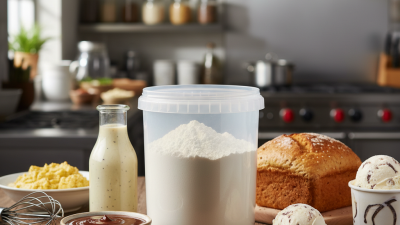
One of its standout qualities is versatility. It works well in both gluten-free recipes and traditional cooking. Use it to stabilize salad dressings or enhance the creaminess of sauces. It even helps with the consistency of smoothies and ice creams. Imagine a creamy soup that doesn't separate. This is the magic of xanthan gum.
Despite its benefits, it's important to use the right amount. Too little may not provide the desired effect. On the other hand, using too much can alter the texture, making it too gooey or slimy. Experimentation is key to finding the perfect balance. Each recipe may require some tweaking. Allow for a little trial and error in your cooking adventures.
Sustainability Considerations in Sourcing Xanthan Gum in Bulk
Sourcing xanthan gum in bulk can raise important sustainability considerations. As a popular ingredient, it enhances texture and viscosity in many food products. However, its production often involves specific agricultural practices that may impact the environment. While xanthan gum is derived from fermenting a plant-based carbohydrate, the sourcing process demands careful attention.
Many farms use significant water resources for growth and production. This can lead to water scarcity in certain regions. It's crucial to explore suppliers that prioritize eco-friendly farming methodologies. Certifications and transparent supply chains are essential factors to consider when choosing a bulk source. They can indicate the commitment to sustainable practices.
The transportation of bulk xanthan gum also contributes to its carbon footprint. Local sourcing can minimize this environmental impact. Engaging with producers that operate closer to your location may help reduce emissions. However, ensuring the quality and stability of the product is equally important. Balancing sustainability with product performance often requires thoughtful evaluation.
Why Choose Xanthan Gum Bulk for Your Recipes and Food Products?
This chart displays the various applications of xanthan gum in food products, highlighting its versatility and popularity across different categories.