Why Are Zwitterionic Surfactants Important in Industry?
Zwitterionic surfactants are gaining attention in various industrial applications. Their unique chemical structure makes them versatile and effective. This ability allows them to perform well in diverse environments, both in water and non-polar solvents.
In personal care products, zwitterionic surfactants offer gentle cleansing. They do little harm to the skin while still delivering effective cleaning. In the pharmaceutical industry, these surfactants help enhance drug solubility. Their properties can be critical for developing effective medications.
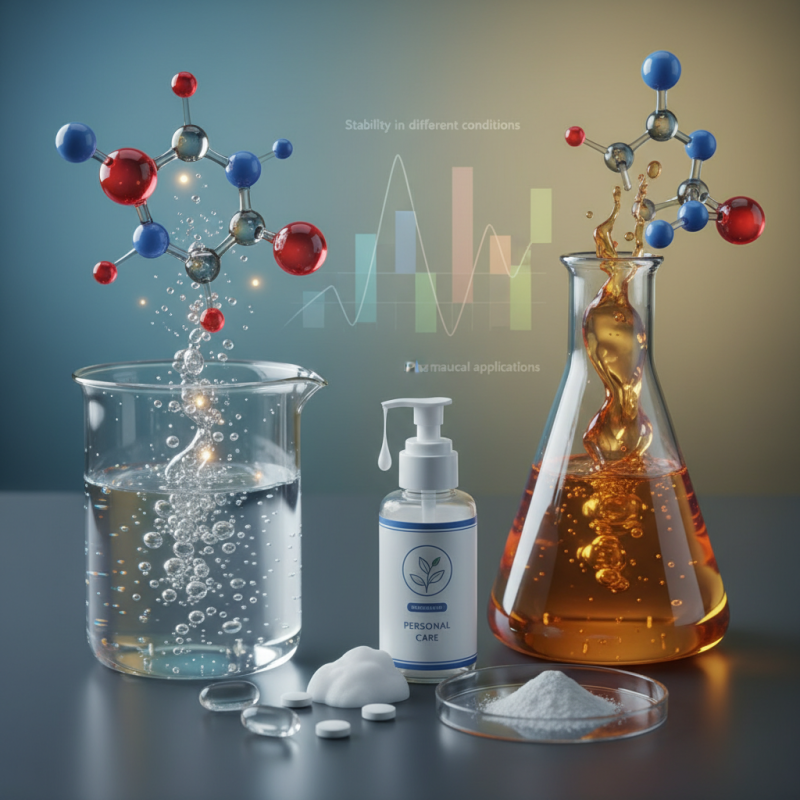
Despite their advantages, challenges remain. For instance, stability in different conditions can vary. Understanding these nuances is crucial for industry applications. As we explore the importance of zwitterionic surfactants, we gain insight into their potential and limitations.
Introduction to Zwitterionic Surfactants
Zwitterionic surfactants are unique molecules with both positive and negative charges. They possess excellent properties, making them valuable in various industries. These surfactants play critical roles in formulations, especially in personal care and cleaning products. They are gentle on the skin and effective at reducing surface tension.
In industrial applications, zwitterionic surfactants enhance solubility and stability. Their dual-charge nature allows them to interact with different formulations. They can stabilize emulsions or foams, which is crucial in food and cosmetic products. Yet, not all zwitterionic surfactants perform equally under every condition. Their effectiveness can vary based on pH, temperature, and concentration.
Challenges arise in their production and usage. The synthesis process can be complex and costly. Additionally, environmental impacts must be considered. As industries strive for sustainability, finding greener alternatives for zwitterionic surfactants can be tricky. The balance between efficiency and environmental responsibility is still a work in progress, highlighting the need for ongoing research and innovation.
Chemical Structure and Properties of Zwitterionic Surfactants
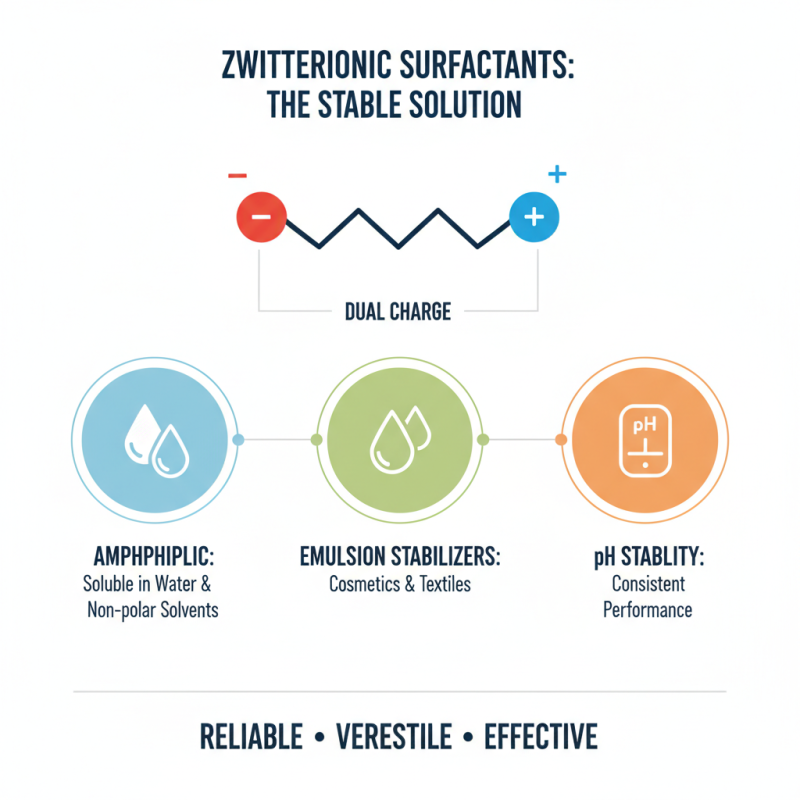
Zwitterionic surfactants possess unique chemical structures, characterized by both positive and negative charges. This dual nature gives them excellent solubility in both water and non-polar solvents. Their ability to stabilize emulsions makes them critical in industries like cosmetics and textiles. Many surfactants tend to lose effectiveness in varying pH levels, but zwitterionic surfactants remain stable. This stability is essential for formulating products that require a consistent performance.
The behavior of zwitterionic surfactants is intriguing. They can interact with other molecules due to their charged groups. This can sometimes lead to undesired interactions, which complicate formulations. Additionally, the challenge lies in scaling these surfactants for mass production. As industries demand eco-friendly options, the focus on zwitterionic surfactants is rising. However, researchers must overcome hurdles in synthesis and cost. Balancing efficiency and sustainability can be a tightrope walk.
Applications of Zwitterionic Surfactants in Various Industries
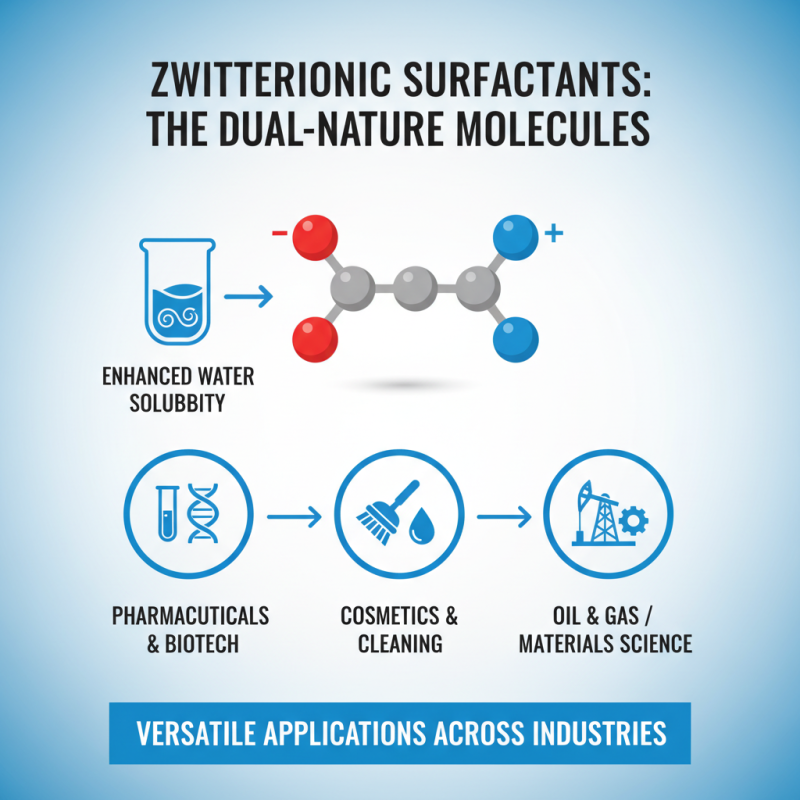
Zwitterionic surfactants play a crucial role across various industries. These unique molecules possess both positive and negative charges. This dual nature enhances their solubility in water. This characteristic allows them to act effectively in a wide range of applications.
In the personal care sector, zwitterionic surfactants are commonly used in shampoos and skin cleansers. They provide excellent foaming properties while being gentle on the skin. A market report suggests that the personal care surfactant market is projected to reach $13 billion by 2025. Zwitterionic surfactants account for a significant portion of this growth due to their gentleness and efficiency.
In the pharmaceutical industry, these surfactants aid in drug delivery systems. Their ability to enhance solubility improves drug absorption in the body. Some studies indicate that zwitterionic surfactants can increase the bioavailability of certain medications by up to 50%. This is a substantial improvement that highlights their importance in developing effective therapies.
Tip: When selecting zwitterionic surfactants for your products, consider their compatibility with other ingredients. Testing small batches can save time and resources in larger-scale production.
The food industry also reaps benefits from zwitterionic surfactants. They help stabilize emulsions, improving the texture and shelf life of products. Yet, it is essential to monitor concentrations. Excessive amounts can lead to unwanted effects, such as altering taste or appearance.
Tip: Always conduct thorough testing on formulations. Small changes can significantly impact the final product. Balancing performance and quality is key.
Environmental Impact and Biodegradability of Zwitterionic Surfactants
Zwitterionic surfactants have gained attention for their unique properties and environmental benefits. They possess both positive and negative charges, making them versatile in various applications. Their use in industrial processes, such as detergents and emulsions, highlights their effectiveness. However, one of the key factors driving interest in these surfactants is their biodegradability.
These surfactants break down into harmless byproducts in the environment. Unlike traditional surfactants, which can persist and cause pollution, zwitterionic surfactants decompose more easily. For instance, they are less likely to accumulate in water bodies, thus reducing potential harm to aquatic life. This property makes them particularly appealing for industries aiming to adopt greener practices.
Tips: Choose zwitterionic surfactants for applications where environmental safety is a priority. Consider conducting life cycle assessments to gauge their full impact. Regularly review your surfactant choices; small changes can lead to significant improvements. Engaging with suppliers about sourcing biodegradable options further ensures a sustainable approach.
Why Are Zwitterionic Surfactants Important in Industry? - Environmental Impact and Biodegradability of Zwitterionic Surfactants
| Property |
Zwitterionic Surfactants |
Environmental Impact |
Biodegradability |
| Chemical Nature |
Amphiphilic molecules with both positive and negative charges |
Low toxicity to aquatic life |
Readily biodegradable |
| Usage |
Used in detergents, cosmetics, and pharmaceuticals |
Minimized bioaccumulation |
Biodegradation rate: 85% in 28 days |
| Advantages |
Effective in hard water; stable over a wide pH range |
Reduces environmental pollution compared to ionic surfactants |
Non-toxic degradation products |
| Disadvantages |
Higher production costs |
Potential for chronic impacts on sensitive species |
Biodegradable but needs specific conditions for complete breakdown |
Future Trends and Innovations In Zwitterionic Surfactant Technology
Zwitterionic surfactants are gaining traction in various industries. They offer unique properties such as low toxicity and high efficiency. These surfactants can function in diverse environments, making them versatile for many applications. Their ability to stabilize emulsions is particularly valuable in cosmetic formulations.
Future trends in zwitterionic surfactant technology suggest exciting innovations. Researchers are exploring sustainable sources for these compounds. Biobased zwitterionic surfactants may soon enter the market. This shift could reduce environmental impact. Enhanced biodegradability is a key focus for the future.
Yet, some challenges remain. The balance between performance and environmental benefits is delicate. Not all formulations yield the desired results. Continuous research is essential to overcome these hurdles. Therefore, innovation in zwitterionic technology requires collaboration across disciplines. The future looks promising but still demands reflection and improvement.