2026 Top Types of Non Ionic Surfactants for Global Buyers
Global buyers entering 2026 face a more demanding surfactant market. Grand View Research estimates that the global surfactants market reached approximately USD 47 billion in 2023. MarketsandMarkets forecasts continued growth through 2029, supported by household care, personal care, agriculture, and industrial cleaning. These figures show opportunity, but they do not guarantee a suitable product.
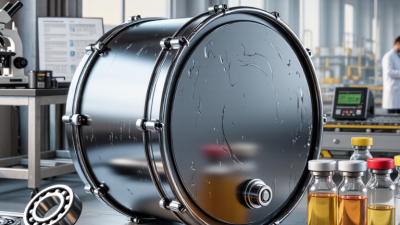
Non-Ionic Surfactant types remain important because they usually offer low sensitivity to water hardness and broad compatibility. Common options include alcohol ethoxylates, alkyl polyglucosides, fatty acid esters, ethoxylated fatty amines, and block copolymers. Each behaves differently inside a real formulation. A cloudy detergent drum, unstable emulsion, or weak foam can reveal a poor selection quickly. Thomas F. Tadros, a recognized surfactant scientist, explains, “Surfactants are amphiphilic molecules containing both hydrophilic and hydrophobic groups.” That simple structure controls wetting, emulsification, detergency, and dispersion.
The 2026 buying decision should examine more than price per kilogram. Buyers need cloud point, HLB range, active content, pour point, biodegradability evidence, impurities, packaging, and batch consistency. Supplier documentation matters. So does plant experience. A laboratory sample may perform beautifully, then fail after storage at 5°C. That happens.
This guide compares leading Non-Ionic Surfactant categories for international purchasers. It considers performance, application fit, regulatory documentation, supply reliability, and sustainability claims. Some market forecasts remain optimistic. Reality may be less tidy. Regional demand, feedstock costs, and evolving chemical policies can change the ranking. Therefore, buyers should validate every recommendation through pilot testing and current technical data sheets.
What Nonionic Surfactants Are and How They Function
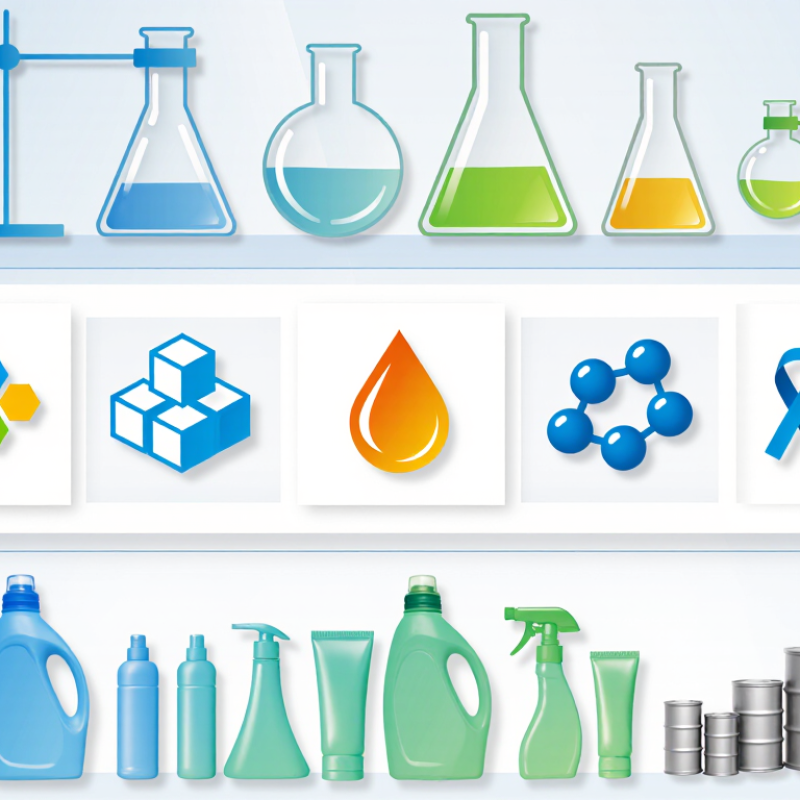
Nonionic surfactants are surface-active molecules with no electrical charge in water. Their water-loving and oil-loving parts work together at interfaces. This structure lowers surface tension and helps liquids spread, wet, emulsify, or remove soil. Small changes matter. Common types include alcohol ethoxylates, alkyl polyglucosides, sorbitan esters, and ethoxylated esters. Their performance depends on cloud point, HLB value, concentration, water hardness, and temperature. An alcohol ethoxylate may wet fabric quickly, while an alkyl polyglucoside can support mild cleaning systems. These examples are useful, but not universal rules.
Tips: Check active content, cloud point, HLB range, viscosity, moisture, and test methods. Evaluate samples using actual water and process temperatures. A clear liquid at 25°C may become hazy at 60°C. This change can affect stability, foaming, and dosing accuracy. I would not choose a material from foam height alone. Foam may look impressive yet clean poorly. Test before scaling.
For global buyers, reliable documents matter as much as performance. Review specification limits, safety data, batch traceability, packaging, and storage guidance. Confirm whether supply quality remains consistent across seasons and shipments. Compatibility tests should include preservatives, salts, polymers, and active ingredients. Laboratory glassware may not represent factory tanks. That gap deserves attention. Nonionic surfactants offer flexible formulation control, but no single type fits every process. Careful testing remains the most dependable decision tool.
How Nonionic Surfactants Are Classified by Chemical Structure
2026 Top Types of Non Ionic Surfactants for Global Buyers
Nonionic surfactants are classified mainly by their hydrophilic group and carbon structure. Ethoxylated alcohols contain polyethylene oxide chains attached to fatty alcohols. Their cloud point, hydrophilic-lipophilic balance, and foam profile change with ethylene oxide content. Shorter chains often improve wetting, while longer chains can support emulsification.
Alkyl polyglucosides use a sugar-based hydrophile linked to fatty alcohols. They are valued for mild handling and renewable feedstock options. Sorbitan esters and ethoxylated sorbitan esters offer another structural family, widely used when emulsification must remain stable across temperature changes. Fatty acid esters, including sucrose esters, provide low-foam alternatives for selected food, cosmetic, and industrial formulations.
The chemistry matters more than the product label. Buyers should request active matter, cloud point, HLB value, residual solvents, and biodegradability data. Grand View Research estimated the global surfactants market at about USD 47.8 billion in 2023, with steady growth projected through 2030. Nonionic grades represent an important share because they tolerate electrolytes and broad pH conditions. However, market estimates differ between reports. That inconsistency deserves attention. Laboratory screening remains necessary, especially when water hardness, temperature, and formulation salts change during production.
Key Types of Nonionic Surfactants for Industrial Applications
2026 Top Types of Non Ionic Surfactants for Global Buyers
Key Types of Nonionic Surfactants for Industrial Applications
Industrial buyers usually compare nonionic surfactants by structure, cloud point, HLB value, and biodegradability. The main types include alcohol ethoxylates, alkyl polyglucosides, sorbitan esters, and ethoxylated sorbitan esters. Alcohol ethoxylates provide strong detergency in institutional cleaners, metalworking fluids, and textile processing. Alkyl polyglucosides offer good wetting with a renewable feedstock profile. However, performance can change sharply with water hardness and temperature. Fast wetting matters.
A 2024 Grand View Research assessment estimated the broader global surfactants market at about USD 43 billion in 2023. It also projected growth near 5% annually through 2030. Nonionic products remain important because they tolerate electrolytes and work well beside anionic systems. In agricultural formulations, low-foam grades improve tank mixing and leaf coverage. In coatings, they support pigment dispersion and emulsion stability. Sorbitan esters suit food-processing aids and industrial emulsions, while ethoxylated variants provide stronger water compatibility. Buyers should request cloud-point curves, active content, foam data, and impurity limits. A single HLB number is not enough. It can mislead formulation decisions.
The OECD’s 2024 chemical-sector indicators continue to emphasize safer chemical design and resource efficiency. This makes readily biodegradable options more attractive for export-oriented manufacturers. Yet “bio-based” does not automatically mean low-impact. Feedstock sourcing, ethoxylation efficiency, packaging, and wastewater treatment also require review. Small pilot tests often reveal problems that supplier brochures miss.
How Global Buyers Compare Performance, Safety, and Compatibility
2026 Top Types of Non Ionic Surfactants for Global Buyers
Global buyers compare more than cleaning power. They examine performance, safety, and formula compatibility. Common choices include alcohol ethoxylates, alkyl polyglucosides, sorbitan esters, and EO/PO copolymers. Alcohol ethoxylates often provide strong wetting and detergency. APGs can support mild, renewable-positioned formulations. Cloud point matters in warm processing. HLB value matters when balancing oil and water phases. A higher foam level is not always better.
The OECD Test Guidelines, especially Test No. 301, define ready biodegradability screening methods. However, a passing result does not prove complete environmental safety. UNEP’s Global Chemicals Outlook II projects chemical production could nearly double by 2030 from 2017 levels. Buyers therefore need stronger data trails, not attractive claims alone. Request aquatic toxicity results, residual solvent data, impurities, and regional regulatory documentation. Compatibility testing should include pH, salts, preservatives, enzymes, and packaging materials. A surfactant may perform well in a beaker, yet destabilize after three months. That weakness is easy to overlook.
Tips: Test three dosage levels at real processing temperatures. Record foam, clarity, viscosity, and phase separation. Check the supplier’s OECD method and study conditions. Do not compare biodegradability percentages from different test methods. Low foam can improve rinsing, but it may reduce consumer-perceived cleaning. This is not always a performance failure. Sometimes, the evaluation method is the problem.
2026 Top Types of Non-Ionic Surfactants for Global Buyers
How global buyers compare cleaning performance, safety profile, and formulation compatibility
The comparative scores are indicative industry-screening values based on commonly reported characteristics of each surfactant family. Alkyl polyglucosides generally score strongly for mildness and biodegradability, alcohol ethoxylates for detergency and hard-water performance, polysorbates for formulation compatibility, and ethoxylated amines for heavy-duty cleaning. Final selection should be confirmed through formulation testing, technical data sheets, and current safety documentation.
What to Check When Selecting a Nonionic Surfactant Supplier
2026 Top Types of Non Ionic Surfactants for Global Buyers
What to Check When Selecting a Nonionic Surfactant Supplier
A dependable supplier should provide more than a competitive quote. Check the surfactant type, active content, cloud point, HLB value, and viscosity against your formulation needs. Ethoxylates, alcohol ethoxylates, alkyl polyglucosides, and fatty acid esters behave differently in detergents, coatings, agriculture, and personal care. The 2024 Global Surfactants Market Report by Grand View Research identifies cleaning products as a major demand area, but regional specifications still vary. Ask for a recent certificate of analysis, safety data sheet, and batch traceability record.
Production discipline matters. Review manufacturing capacity, raw material controls, testing equipment, and quality systems such as ISO 9001. The OECD’s chemical safety guidance emphasizes reliable hazard data and consistent communication across the supply chain. A supplier should explain impurities, residual solvents, biodegradability testing, and storage conditions in plain language. Vague answers are expensive later.
Request samples from different production batches. Compare odor, color, foaming, emulsification, and performance after storage at realistic temperatures. A 2023 report from MarketsandMarkets projects continued growth in specialty surfactants, increasing pressure on supply consistency. Still, market forecasts are not guarantees. I have seen technically strong samples fail during scale-up because mixing energy changed. That detail is easy to miss. Confirm minimum order quantities, lead times, packaging strength, export documents, and a written complaint process before approval. No checklist catches every failure.