What are the Benefits of Anionic Surfactants in Industry?
Anionic surfactants play a critical role in various industrial applications. These compounds enhance the effectiveness of detergents, emulsifiers, and foaming agents. The global surfactant market, valued at over $45 billion in 2022, shows an increasing demand for anionic surfactants. According to industry experts, these agents hold approximately 30% of the market share.
The unique properties of anionic surfactants contribute to their popularity. They possess a negative charge that improves solubility in water. This feature allows for efficient cleaning and foaming capabilities. In fact, studies indicate that anionic surfactants can reduce surface tension by up to 30%. Therefore, they are essential in formulating cleaning products for both household and industrial use.
Despite their many benefits, there are considerations to keep in mind. The environmental impact of anionic surfactants has raised concerns. Some formulations can lead to aquatic toxicity. This complexity requires ongoing research and balanced solutions. Companies must weigh the advantages against potential drawbacks to ensure responsible use of anionic surfactants.
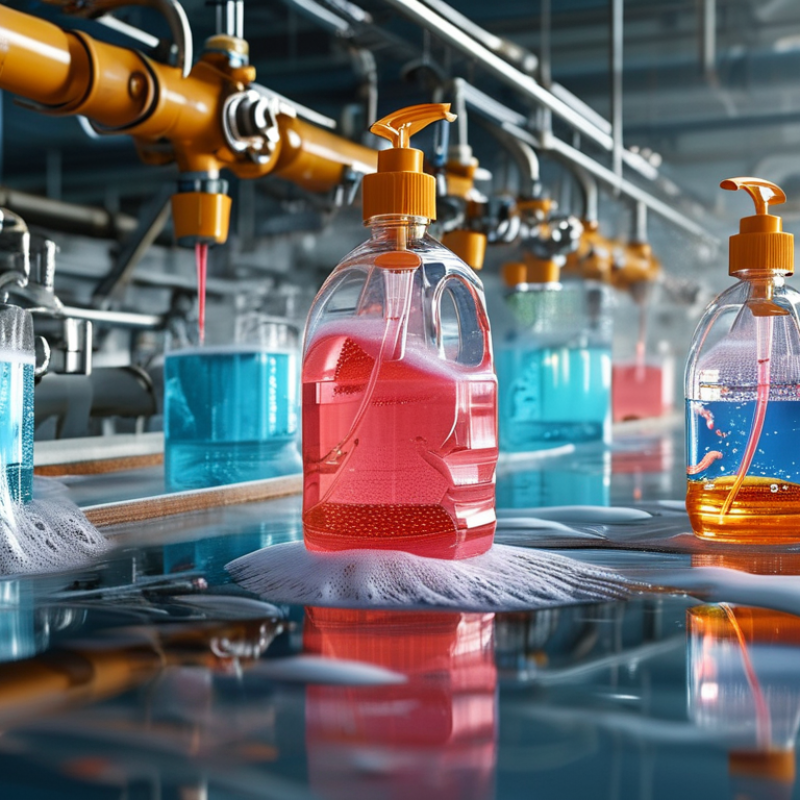
Definition and Characteristics of Anionic Surfactants
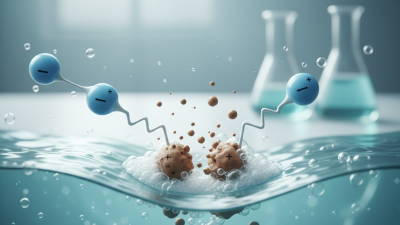
Anionic surfactants are unique in their ability to carry a negative charge. This characteristic allows them to effectively interact with various surfaces and materials, making them valuable in many industrial applications. They are hydrophilic, meaning they attract water, and hydrophobic, allowing them to repel oil. This dual nature aids in emulsification, foaming, and detergency.
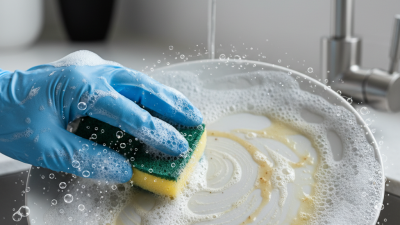
In cleaning products, anionic surfactants excel at removing dirt and grease. Their negative charge binds with positively charged dirt particles, leading to enhanced removal during rinsing. These surfactants are also common in personal care products, providing foaming properties that enhance user experience. Despite their effectiveness, one must be cautious of their overuse, as they can lead to skin irritation in sensitive individuals. Striking a balance is essential for safe and effective usage.
In addition to cleaning applications, anionic surfactants play a role in agriculture. They help improve pesticide effectiveness by allowing better adhesion to plant surfaces. However, reliance on these substances can lead to potential environmental concerns. It's crucial to assess their impact on ecosystems and explore alternatives that minimize negative effects while maintaining functionality.
Primary Applications of Anionic Surfactants in Various Industries
Anionic surfactants are widely used in various industries due to their unique properties. They exhibit excellent cleaning efficiency and stability, which make them essential in household and industrial cleaning products. In the textile industry, these surfactants are employed to enhance wetting and emulsification. This allows dyes to penetrate fabrics more effectively, resulting in vibrant colors.
In agriculture, anionic surfactants play a crucial role as adjuvants in pesticide formulations. They improve pesticide distribution and adhesion on plant surfaces. This can lead to improved efficacy in pest control. However, there's a need for careful formulation. Surfactants that are too aggressive may harm sensitive plant tissues.
Another application lies in the oil and gas sector. Anionic surfactants aid in enhanced oil recovery by reducing interfacial tension. This facilitates the extraction of crude oil. But, efficacy can vary depending on the geological characteristics of the reservoir. It’s vital to evaluate each situation individually to optimize the process.
Advantages of Anionic Surfactants: Performance and Efficiency
Anionic surfactants play a vital role in various industries due to their unique properties. They are known for their excellent emulsification and foaming capabilities. This makes them ideal for applications in cleaning products, textiles, and agricultural formulations. Their ability to reduce surface tension allows for better wetting and spreading, enhancing product efficiency and performance.
In cleaning formulations, anionic surfactants contribute to effective soil removal. They attract dirt and grease, enabling easy rinsing. Their effectiveness in hard water is also noteworthy, as they can maintain their performance regardless of water composition. However, not all anionic surfactants perform equally. Some may cause skin irritation or environmental concerns, requiring careful selection and formulation.
In the textile industry, anionic surfactants assist in dyeing and finishing processes. They help disperse dyes evenly, ensuring vibrant colors. While they enhance quality, manufacturers must remain aware of environmental impacts. Biodegradability is essential for sustainable practices. Choosing the right type and concentration could make a significant difference in overall performance and ecological footprint.
What are the Benefits of Anionic Surfactants in Industry? - Advantages of Anionic Surfactants: Performance and Efficiency
| Benefit |
Description |
Application Areas |
Efficiency |
| High Foaming Ability |
Anionic surfactants generate a significant amount of foam, which is desirable in many cleaning applications. |
Household detergents, shampoos |
High |
| Excellent Wetting Properties |
Improve the spreading and penetration of liquids on surfaces. |
Agricultural sprays, textile processing |
Moderate to High |
| Effective Emulsification |
Stabilize mixtures of oil and water, allowing for consistent formulations. |
Cosmetics, food industry |
High |
| Cost-Effectiveness |
Generally lower in cost compared to nonionic and cationic surfactants, making them appealing for commercial use. |
Industrial cleaning agents, personal care products |
High |
| Biodegradability |
Many anionic surfactants are biodegradable, reducing environmental impact. |
Household cleaners, eco-friendly products |
Moderate |
Environmental Impact and Biodegradability of Anionic Surfactants
Anionic surfactants play a significant role in various industries, yet their environmental impact raises important questions. These surfactants are commonly used in detergents, cleaners, and personal care products. They help in lowering surface tension and enhancing the effectiveness of cleaning agents. However, their use can lead to concerns regarding water pollution. Many anionic surfactants are not easily biodegradable and can accumulate in aquatic ecosystems.
Biodegradability varies among different anionic surfactants. While some newer formulations have been designed to break down more efficiently, others remain persistent in the environment. This persistence can cause harm to wildlife and disrupt natural habitats. Additionally, the breakdown products may still exhibit toxicity, complicating the environmental assessment process. It highlights the need for careful evaluation when selecting surfactants for industrial applications.
Industry stakeholders must consider the balance between performance and sustainability. The search for eco-friendly alternatives is ongoing. Regulatory requirements are increasingly demanding safer chemicals, promoting better choices in research and development. The challenge remains to ensure that effectiveness does not come at the expense of the environment. It's crucial to reflect on these issues and strive for solutions that prioritize both performance and ecological health.
Future Trends and Innovations in Anionic Surfactant Technology
The future of anionic surfactant technology shows promising advancements in both environmental sustainability and performance efficiency. According to a recent industry report, the global market for anionic surfactants is projected to grow by 4.5% annually, reaching a valuation of approximately $20 billion by 2026. This growth aligns with increasing demand for biodegradable products, highlighting a shift towards eco-friendliness in the manufacturing sector. Companies are investing in innovative processes that enhance the biodegradability of these surfactants without compromising their effectiveness.
Recent innovations include developing plant-based anionic surfactants. These alternatives provide similar cleaning power while reducing reliance on petrochemicals. A study from a leading chemical research organization states that these bio-surfactants can reduce production time and energy costs by up to 30%. However, challenges remain in achieving the perfect balance between performance and sustainability. Certain formulations may still fall short in effectiveness compared to their synthetic counterparts. This ongoing innovation process is critical, as the industry seeks not only to define performance standards but also to meet stringent regulatory requirements regarding environmental safety.
As we move forward, the integration of digital technologies in surfactant production is gaining traction. AI-driven analytics are being introduced to optimize formulations and predict consumer preferences. This shift could help manufacturers quickly adapt to market changes. Nonetheless, the need for transparency in sourcing raw materials is becoming increasingly important. Stakeholders must remain vigilant about the ethical implications of their sourcing strategies, ensuring a sustainable future for anionic surfactants.
Benefits of Anionic Surfactants in Industry
This bar chart illustrates the various benefits of anionic surfactants in industrial applications, with scores assigned based on their importance. Key advantages include high cleaning efficiency and cost-effectiveness, highlighting the growing relevance of these surfactants in various sectors.