Best Xanthan Gum Bulk Suppliers for Your Business Needs?
In the food and cosmetic industries, Xanthan Gum Bulk is increasingly sought after. A recent report by Market Research Future predicts the global xanthan gum market will reach $1.4 billion by 2027. This surge highlights its essential role as a thickening and stabilizing agent.
Reliable suppliers play a crucial role in meeting the rising demands of various sectors. The growing acceptance of plant-based products has pushed manufacturers to seek high-quality xanthan gum. However, not all suppliers offer the same standard. Finding a trustworthy source for Xanthan Gum Bulk is vital for maintaining product quality and consistency.
Despite the growing market, challenges exist. Some suppliers may compromise on quality or transparency. Businesses must find suppliers that demonstrate accountability, expertise, and proven track records. Investing time in supplier selection can enhance product value and customer satisfaction in the long run.
What is Xanthan Gum and Its Applications in Various Industries?
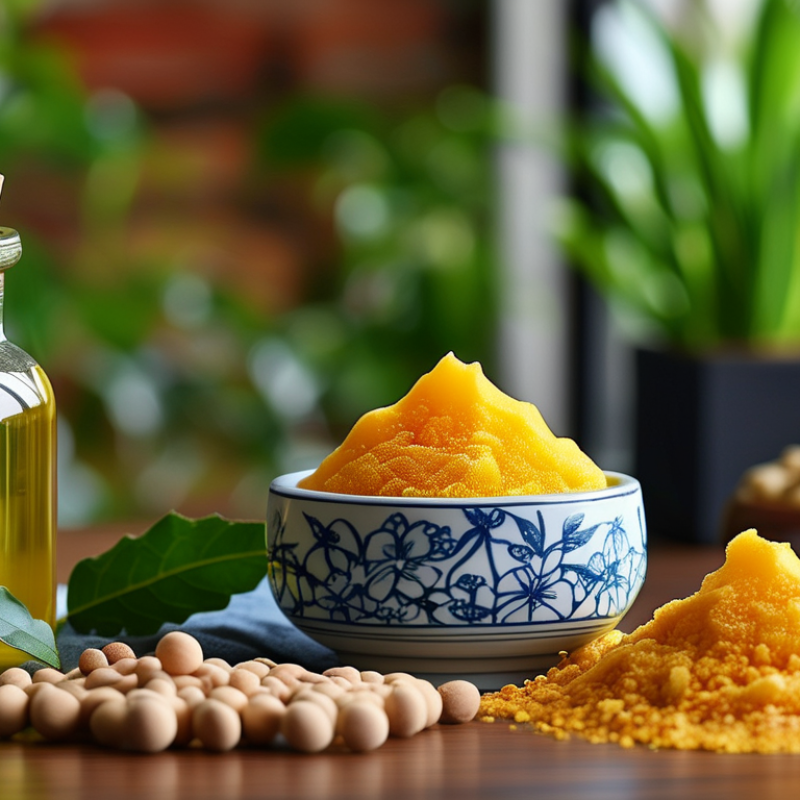
Xanthan gum is a versatile polysaccharide widely used in various industries. It is produced through the fermentation of sugars by the bacterium Xanthomonas campestris. The gum thickens liquids and stabilizes emulsions, making it valuable in food, cosmetics, and pharmaceuticals. Its ability to create a smooth texture is particularly beneficial in gluten-free food production. Chefs often use it to enhance sauces and dressings, providing a desirable mouthfeel.
In the agricultural sector, xanthan gum plays a crucial role in formulating pesticides and herbicides. Its thickening properties ensure that these substances adhere better to plant surfaces, improving their effectiveness. Furthermore, it is utilized in oil drilling as a viscosifying agent, which helps to stabilize drilling fluids. While xanthan gum has many benefits, sourcing quality suppliers can be challenging.
Some suppliers may offer lower-quality xanthan gum, which can impact product consistency. It’s essential to verify supplier credentials and product specifications. Businesses must evaluate their needs, conduct quality checks, and maintain an open dialogue with suppliers. Addressing these aspects ensures the integrity of the final products and builds reliable supply chain partnerships.
Criteria for Selecting the Best Xanthan Gum Bulk Suppliers
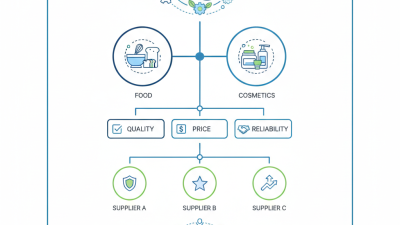
When selecting the best xanthan gum bulk suppliers, several criteria deserve attention. First, evaluate the supplier's reliability and experience in the industry. According to a report by Grand View Research, the xanthan gum market is projected to grow significantly, underlining the importance of choosing suppliers with a solid background. A supplier's production capacity should align with your business's needs. This ensures you can meet customer demand without interruptions.
Quality control is another critical factor. It is vital to verify that suppliers follow stringent quality assurance protocols. Look for those who provide lab test results and certifications. These documents reflect their commitment to quality and safety standards. According to a research report by Market Research Future, the importance of quality remains a paramount concern, affecting consumer trust.
Consider the geographical location of suppliers as well. Those closer to your operations may reduce shipping costs and delivery times. This can enhance your supply chain efficiency. Don't forget to assess the supplier's customer service. Effective communication can solve potential issues quickly.
For efficient sourcing, remember: communicate your specific needs clearly. Ask about minimum order quantities and lead times. Regular updates on stock levels can also mitigate supply chain risks. Reflect on how well a supplier has adapted to market changes. A flexible approach is often indicative of a strong partner in the long run.
Top Xanthan Gum Suppliers: A Comparative Overview
When evaluating the top xanthan gum suppliers, it's essential to consider several factors. Recently, the market for xanthan gum reached approximately $1.3 billion and is projected to grow significantly. This growth underscores the demand for reliable suppliers in various industries, such as food, pharmaceuticals, and cosmetics.
A comparative analysis reveals that sourcing from specialized suppliers can provide distinct advantages. Suppliers with robust quality assurance practices typically deliver higher purity and consistency. According to industry data, 73% of consumers prioritize product quality over price. Therefore, businesses may need to reassess their sourcing strategies to ensure they meet customer expectations.
Furthermore, transparency in sourcing practices is gaining traction. Suppliers who provide detailed information about their sourcing and manufacturing processes demonstrate a commitment to quality. In an era where sustainability concerns are paramount, 62% of businesses indicate a preference for suppliers with eco-friendly practices. Engaging with suppliers that emphasize sustainability can enhance a brand's reputation while meeting consumer demands. The market's evolving landscape necessitates continuous reflection on supplier choices to align with business needs and consumer preferences.
Evaluating Quality and Pricing of Xanthan Gum from Different Suppliers
When evaluating xanthan gum suppliers, quality is paramount. High-quality xanthan gum should have a consistent viscosity and thickening ability. Look for suppliers that provide detailed product specifications and quality certifications. This transparency helps ensure that you receive a product aligned with your business needs.
Pricing is another critical factor. Competitive pricing can vary widely among suppliers. It’s important to assess not only the unit price but also the minimum order quantities. Some suppliers may offer bulk discounts, which can be beneficial for businesses needing large quantities. However, lower prices do not always guarantee quality.
Conducting thorough research is essential. Review supplier backgrounds, including years in the industry and customer reviews. Engaging with suppliers' representatives can also provide insights into their production processes. Be cautious, as not every supplier meets high standards. Trust your instincts and seek out reliable sources to establish a long-term partnership.
Tips for Establishing a Long-term Relationship with Xanthan Gum Suppliers
Building a strong relationship with your xanthan gum suppliers is essential for a successful business. Trust and good communication lay the groundwork for long-term partnerships. Be open about your needs and expectations. This clarity fosters reliability and understanding.
Establish regular check-ins to discuss product quality and supply chain issues. Addressing concerns early keeps the relationship smooth. Transparency helps both parties avoid misunderstandings. Remember, suppliers often appreciate feedback. This can lead to improvements in their service and products.
Explore opportunities for collaboration. Working together on projects can deepen your relationship. Consider discussing potential innovations or improvements in sourcing. However, be aware that not every attempt will yield results. Some discussions may lead to dead ends. Reflecting on these outcomes can provide valuable insights for future negotiations.