What You Need to Know About Buying Xanthan Gum in Bulk?
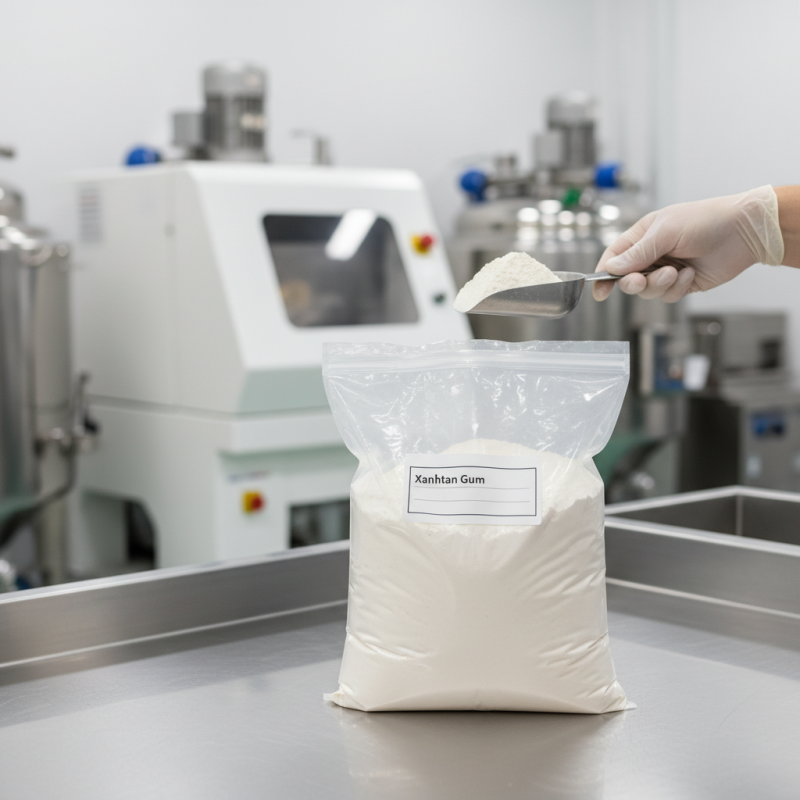
Xanthan Gum is a popular food additive. Many businesses consider purchasing Xanthan Gum Bulk for various applications. Understanding its attributes can guide informed choices. This thickening agent stabilizes emulsions and improves texture in food products.
Buying in bulk can save money. However, it’s essential to evaluate quality and sourcing. Not all suppliers offer the same standards. A reliable supplier is critical for consistent quality. When selecting Xanthan Gum Bulk, check for certifications and ingredient integrity.
Do thorough research before making a decision. Some suppliers might not meet expectations. The quality of Xanthan Gum can affect the final product. Take the time to read reviews and gather feedback. This will enhance your buying experience and ensure satisfaction.
What is Xanthan Gum and Its Common Uses in Food Industry?
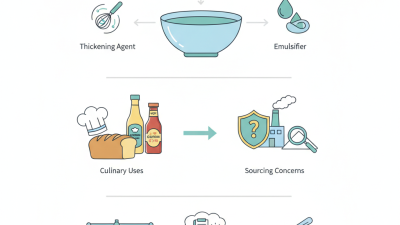
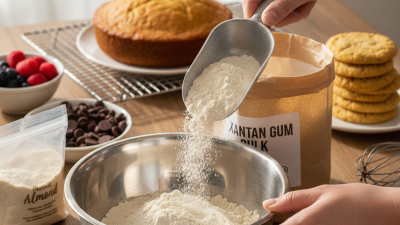
Xanthan gum is a popular thickening agent used in the food industry. It is a polysaccharide produced by the fermentation of glucose, sucrose, or lactose. This versatile ingredient stabilizes emulsions and suspensions, making it essential in dressings, sauces, and gluten-free products. Its unique ability to enhance texture sets it apart from other thickeners. Many chefs appreciate its contribution to mouthfeel and consistency.
When buying xanthan gum in bulk, consider its shelf life. Proper storage conditions can maximize freshness. Keeping it in a cool, dry place ensures its effectiveness. Additionally, be wary of the sourcing. High-quality xanthan gum retains better functional properties. Research suppliers who prioritize food safety and quality standards.
Tips: Start with a smaller bulk quantity to test its effectiveness in your recipes. It's also wise to read user reviews before purchasing. Lastly, experimenting with different brands could help you determine which consistency you prefer. Aim to refine your use of xanthan gum so it enhances your culinary creations.
Key Factors to Consider When Buying Xanthan Gum in Bulk
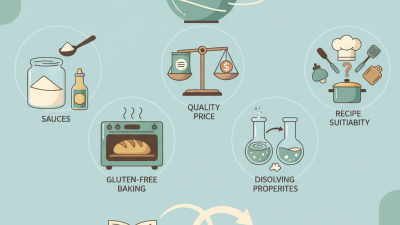
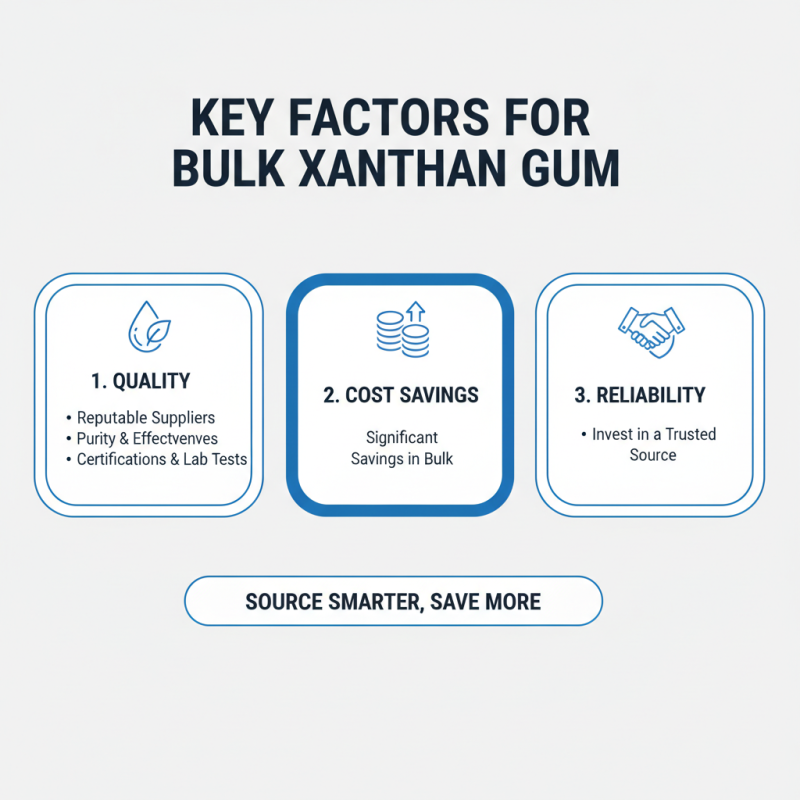
When buying xanthan gum in bulk, several key factors come into play. Quality is paramount. Ensure the product is sourced from reputable suppliers. This helps guarantee you receive a pure and effective ingredient. Pay attention to certifications and lab tests that verify the product's quality. Bulk purchases can lead to significant savings, but it’s crucial to invest in a reliable source.
Price is another important consideration. Compare prices across different suppliers. Cheaper options might not always provide the best quality. Keep an eye out for hidden costs, like shipping fees. A trustworthy supplier should be transparent about pricing. Sometimes, you may discover that a higher upfront cost leads to better long-term value.
Tips: Look for suppliers that offer samples. Testing the product before buying in bulk can save you from costly mistakes. Also, consider your storage space. Xanthan gum should be stored in a cool, dry place for optimal shelf life. It’s easy to underestimate how much space bulk products take. Make sure you're prepared to handle that before making a large order.
Industry Standards and Quality Control for Xanthan Gum Suppliers
When purchasing xanthan gum in bulk, understanding industry standards is vital. High-quality suppliers often adhere to specific regulations. These may include certifications like ISO or HACCP. Such certifications ensure the product's safety and reliability. Always inquire about the supplier’s quality control processes. Transparency in these processes indicates a commitment to quality.
Quality control begins with sourcing raw materials. Suppliers should obtain ingredients from reputable sources. Testing for contaminants is crucial. This step ensures the purity of xanthan gum. Regular audits can help maintain standards. However, not every supplier conducts thorough testing. This lack of diligence can compromise product integrity.
Reviewing a supplier's history can provide insights into their reliability. Longevity in the market often indicates stability. Feedback from other customers is also valuable. However, be cautious; not all reviews reflect the actual quality. There is no perfect supplier. Conducting thorough research and asking the right questions will lead to better choices. Quality and consistency are essential for your needs.
Cost Analysis: Bulk Buying vs Retail Purchase of Xanthan Gum
Purchasing xanthan gum in bulk can be an economical decision for both businesses and home cooks. A recent industry report by ResearchAndMarkets indicates that buying in larger quantities can save you up to 30% compared to retail prices. Retail packages often come in smaller sizes, leading to higher per-unit costs. For professional kitchens or food manufacturers, these savings can accumulate significantly.
However, the trade-off might include shelf life concerns. While xanthan gum has a long shelf life, maintaining optimal storage conditions is crucial. Bulk orders can result in excess if usage estimates are inaccurate. This can lead to waste and financial loss. Determining actual needs based on previous usage data helps mitigate this risk. In fact, data from the Food Ingredients Association shows that more than 40% of bulk buyers miscalculate their ingredient needs.
Quality considerations also play a role in bulk purchases. Not all suppliers provide the same level of product quality or service. It's vital to choose reputable sources. An improper selection can lead to subpar results in finished products. Always look for certifications or quality assurances from suppliers to ensure reliability.
What You Need to Know About Buying Xanthan Gum in Bulk? - Cost Analysis: Bulk Buying vs Retail Purchase of Xanthan Gum
| Purchase Type |
Quantity (lbs) |
Cost per lb ($) |
Total Cost ($) |
Savings Compared to Retail (%) |
| Bulk Purchase |
25 |
8.00 |
200.00 |
20 |
| Retail Purchase |
1 |
10.00 |
10.00 |
0 |
| Bulk Purchase |
50 |
7.00 |
350.00 |
30 |
| Retail Purchase |
1 |
12.00 |
12.00 |
0 |
| Bulk Purchase |
100 |
6.00 |
600.00 |
40 |
| Retail Purchase |
1 |
14.00 |
14.00 |
0 |
Environmental Impact and Sustainability of Xanthan Gum Production
Xanthan gum is a widely used food additive derived from the fermentation of glucose or sucrose by the bacterium Xanthomonas campestris. Its production can have significant environmental implications. The soybean and corn feedstocks commonly used in xanthan gum production contribute to deforestation and pesticide runoff. A recent report from the Food and Agriculture Organization indicates that conventional farming of these crops requires substantial land and water resources.
While xanthan gum is essential for thickening and stabilizing in food production, its sustainability remains questionable. Studies reveal that the carbon footprint of producing xanthan gum is notable, especially when considering transportation and processing. Data from a 2021 sustainability report suggests that most xanthan gum is produced in regions with lower environmental standards, further compounding its ecological impact.
Transitioning to more sustainable farming practices is essential. Alternatives like using waste products from other industries, such as agriculture or food processing, could mitigate some of the negative effects. These methods may lower the reliance on intensive crop cultivation. As demand grows, a concerted effort is needed to address these environmental challenges in xanthan gum production.
Environmental Impact of Xanthan Gum Production