China Best Food Additives Suppliers for Global Buyers
China Best Food Additives Suppliers for Global Buyers begins with a practical question: can a supplier deliver consistent quality, documentation, and reliable service?
The global Food Additives market continues to expand across beverages, bakery products, dairy, meat alternatives, and convenience foods. Grand View Research valued the market at approximately USD 132 billion in 2023. Its report also forecasts steady growth through 2030. MarketsandMarkets identifies clean-label demand, longer shelf life, and functional nutrition as important market drivers. However, market figures differ because researchers classify additives differently. Numbers alone can mislead.
China remains an important sourcing base for preservatives, sweeteners, emulsifiers, colors, stabilizers, and specialty ingredients. Experienced buyers should examine more than price. A dependable supplier should provide a clear Certificate of Analysis, batch traceability, allergen statements, and technical specifications. GMP, HACCP, ISO 22000, and appropriate export documentation also deserve careful review. Product samples matter. So does communication.
Regulatory acceptance must be checked in the destination market. JECFA evaluations, Codex standards, and national food regulations can influence permitted uses and dosage limits. A supplier may offer an attractive quotation, yet weak traceability can create expensive delays. That risk is easy to underestimate.
The strongest Chinese suppliers combine manufacturing capacity with application support. They can explain solubility, stability, sensory impact, and storage conditions. Still, no directory replaces an audit or independent testing. This guide evaluates suppliers through evidence, not marketing language, while recognizing one uncomfortable truth: even a reputable factory can experience inconsistent batches. Careful verification remains essential.
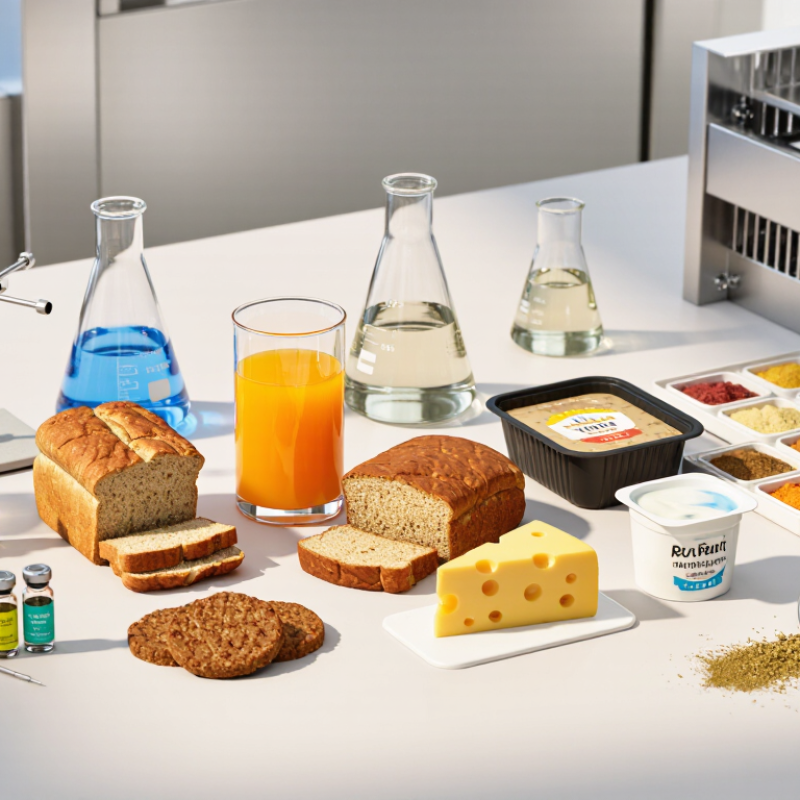
What Food Additives Are and Why Global Buyers Source Them from China
China Best Food Additives Suppliers for Global Buyers
What Food Additives Are and Why Global Buyers Source Them from China
Food additives are substances added to improve taste, texture, stability, color, or shelf life. Examples include emulsifiers, acidity regulators, sweeteners, and antioxidants. The Codex General Standard for Food Additives requires each substance to have a technological purpose and approved use level. Safety evaluations also involve the FAO/WHO Joint Expert Committee on Food Additives. These controls matter.
Global demand is expanding. Grand View Research’s 2024 assessment valued the food additives market at more than USD 100 billion, although category definitions vary between reports. China attracts buyers through broad production capacity, integrated chemical supply chains, and flexible order volumes. A factory may offer powder blending, moisture-controlled packing, and batch testing under one roof.
Exporters also commonly provide specifications, certificates of analysis, and traceability records. Yet lower prices alone can mislead. Testing standards, documentation quality, and shipment consistency still differ between suppliers.
Tips:
Request recent third-party test reports, allergen statements, heavy-metal results, and microbiological limits. Check whether the product matches Codex requirements and the destination market’s rules. Ask for a small sample first. Compare three batches, not one. Buyers sometimes overlook storage humidity, which can turn a free-flowing powder into hard lumps. That detail sounds minor, but it can damage production. Supplier audits remain useful, though even audits cannot replace independent verification.
Key Categories of Food Additives Supplied by Chinese Manufacturers
China’s food additive manufacturers supply a broad range of ingredients for beverage, bakery, dairy, meat, and confectionery production. Key categories include sweeteners, preservatives, acidulants, thickeners, stabilizers, emulsifiers, colors, and antioxidants. Each category serves a specific technical purpose.
Sweeteners such as stevia extracts, sucralose, and maltitol help reduce or replace sugar in formulated foods. Citric acid and lactic acid adjust taste and product acidity. Preservatives support microbial control when used within approved limits. Pectin, xanthan gum, and modified starch improve texture, viscosity, and stability. Emulsifiers help oil and water remain evenly blended. Small dosage changes can alter the final product noticeably.
Reliable sourcing requires more than comparing prices. Buyers should review specifications, certificates of analysis, allergen statements, production dates, and batch traceability. Samples should be tested in the actual recipe, not only judged by appearance. Export documentation must match the destination market’s requirements. Chinese suppliers may offer strong manufacturing capacity, but quality can vary between factories and batches. That reality deserves attention. A clear quality agreement, retained samples, and independent laboratory testing can reduce avoidable risks. Even experienced buyers should question unclear claims and incomplete technical files.
China Food Additives Suppliers for Global Buyers
Representative Additives by Functional Category
The chart presents a representative selection of commonly supplied, non-brand food additives used by Chinese manufacturers. Examples include preservatives, sweeteners, colorants, emulsifiers, thickeners, acidity regulators, antioxidants, and flavor enhancers. The selection count is not a market-share ranking; buyers should verify specifications, purity, permitted applications, and compliance with GB 2760, Codex GSFA, and destination-market regulations.
Quality Standards, Certifications, and Regulatory Compliance
China’s food additive suppliers serve global buyers, but quality begins with evidence, not attractive catalogs. A reliable facility should follow documented GMP and HACCP procedures. ISO 22000 certification can strengthen its food safety system. However, certification scope and validity require careful checking.
During supplier evaluation, request a current certificate, product specification, allergen statement, and certificate of analysis. The COA should show the lot number, test methods, purity, moisture, and microbiological limits.
For a powdered additive, details such as mesh size and bulk density matter during production.
Traceability should connect finished goods to raw materials and production records. Ask the supplier to demonstrate a mock recall.
Regulatory compliance depends on the destination market. Chinese production requirements may not satisfy FDA, EFSA, or other national rules automatically. Buyers should confirm permitted uses, maximum levels, labeling duties, and import documents before placing an order. Halal or Kosher certification may also be needed for specific customers. Laboratory reports are useful, but they are not always independent. This is where diligence can weaken.
A sensible audit checks sanitation, pest control, water quality, staff training, and complaint handling. Samples should be tested by an accredited laboratory when risk justifies the cost.
Some suppliers communicate quickly but provide incomplete records. That is a warning, not a minor inconvenience.
Compliance is continuous. One outdated document can affect an entire shipment.