Top Food Additives in China for Global Buyers Insight?
In the rapidly evolving food industry, food additives play a crucial role in enhancing taste, appearance, and shelf life. China, as one of the largest food producers and exporters globally, has made significant strides in the development and use of food additives. Understanding these additives is essential for global buyers seeking to navigate this complex market.
Food additives can enhance flavors or improve textures. However, not all additives are created equal. The safety and health implications of certain preservatives and colorings can be a concern. Some buyers may not realize the potential side effects. This reflects a need for awareness and research regarding the choices available.
As global demand for food products increases, the importance of food additives grows. They can make or break product success in international markets. Buyers must stay informed about trends and regulations in China. This ensures that the products they choose meet safety standards while satisfying consumer preferences. Knowledge and due diligence are vital components in this pursuit.
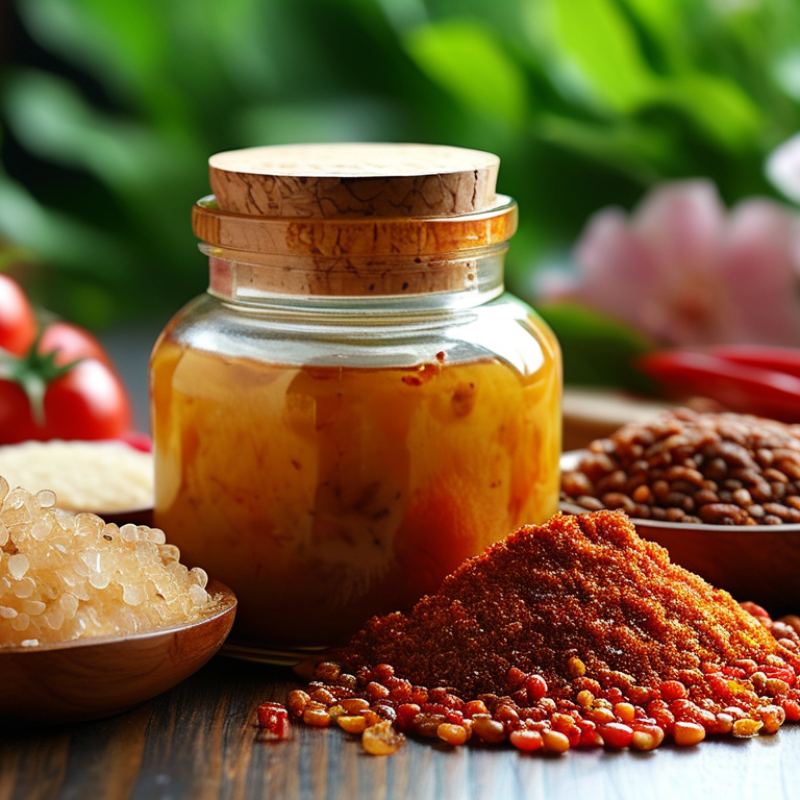
Overview of Food Additives Used in China
In China, the food additive industry is vast and varied. Many products are extensively used to enhance taste, texture, and shelf life. Common additives include preservatives, flavor enhancers, and coloring agents. These substances are often vital for food safety and appeal.
However, the use of food additives raises questions. Some additives may cause health concerns if consumed in large quantities. It is essential to stay informed about what these additives are and their functions in food products.
Tips: Always read ingredient labels. Understanding what you eat can help you make better choices. Consider switching to natural alternatives when possible. Transparency is key in food sourcing, so research the origins of your food additives.
Many companies in China prioritize compliance with local regulations. However, not all adhere strictly to these standards. This inconsistency may lead to risky exposures for consumers. It's important to discern which products are trustworthy and safe. While innovations in food additives continue, keeping health at the forefront is crucial. Be mindful of how food additives affect your overall well-being.
Regulatory Framework Governing Food Additives in China
China's regulatory framework governing food additives is complex and evolving. The government emphasizes safety and compliance to protect consumer health. The National Health Commission (NHC) oversees regulations, ensuring they align with international standards. These regulations detail permissible additives, usage levels, and labeling requirements. Regular updates reflect scientific advancements and public health needs.
Manufacturers must navigate this regulatory landscape carefully. They are required to conduct risk assessments for new additives. Understanding these regulations is crucial for global buyers seeking to enter the Chinese market. Compliance ensures product quality and consumer trust. However, challenges remain in keeping up with frequent changes. Some businesses may struggle to adapt quickly.
Transparency is key in this landscape. Ongoing dialogue between regulators and industry players is essential. It fosters a deeper understanding of safety concerns and innovative practices. Buyers must remain vigilant and informed. Missteps can lead to legal issues and consumer backlash. The stakes are high, and careful consideration is necessary for success in this market.
Top Food Additives in China for Global Buyers Insight
| Additive Name |
Function |
Usage Level (ppm) |
Regulatory Status |
| Sodium Benzoate |
Preservative |
≤1000 |
Allowed |
| Citric Acid |
pH Regulator |
≤5000 |
Allowed |
| Calcium Carbonate |
Firming Agent |
≤20000 |
Allowed |
| Monosodium Glutamate (MSG) |
Flavor Enhancer |
≤5000 |
Allowed |
| Potassium Sorbate |
Preservative |
≤1000 |
Allowed |
Popular Types of Food Additives in the Chinese Market
The Chinese market boasts a diverse range of food additives, essential for enhancing flavors, preserving freshness, and improving texture. Common types include flavor enhancers, preservatives, and emulsifiers. These additives help products maintain quality and extend shelf life. Understanding their applications can benefit global buyers.
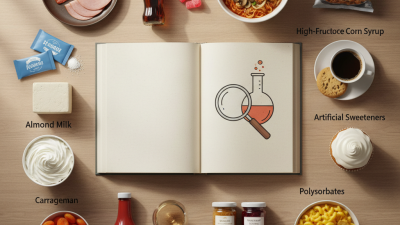
For instance, flavor enhancers like monosodium glutamate are widely used in various dishes. They can amplify the natural taste of food. Preservatives help prevent spoilage, ensuring that products remain safe for consumption. Emulsifiers like lecithin stabilize mixtures, improving consistency in sauces and dressings.
Tips: When sourcing food additives, ensure they meet quality standards. Research suppliers thoroughly to understand their practices. Engage with other buyers to exchange experiences. Stay updated about regulations specific to food safety in China. Quality assurance is key to success in this vibrant market.
Trends Influencing the Demand for Food Additives in China
The demand for food additives in China is rising, driven by various factors. Health awareness among consumers is influencing choices. Many buyers seek natural and organic additives. This shift is evident in the growing popularity of plant-based options. People are becoming more wary of synthetic substances. They prefer safer, cleaner labels.
Moreover, the food industry is adapting to new regulations. Stricter food safety standards are in place. Manufacturers must comply with these guidelines, affecting additive use. This results in innovations. Companies are developing functional additives that enhance flavor and texture while adhering to safety norms.
Also, the culinary landscape is evolving. The rise of international cuisines has increased the need for diverse ingredients. Food exporters to China must understand local preferences. They should be aware of cultural differences. This can sometimes lead to misalignment with consumers' expectations. Addressing these challenges requires ongoing market research and effective communication.
Key Players in the Chinese Food Additives Industry
The Chinese food additives industry is rapidly evolving. It plays a crucial role in food safety, flavor enhancement, and preservation. Many companies are stepping up their game to meet both local and international standards. These players emphasize quality control and transparency in their operations.
Key players are focusing on innovation. They are exploring natural alternatives to synthetic additives. This reflects a growing consumer preference for cleaner labels. However, there are challenges. Some companies struggle with compliance and certification processes. This can lead to delays in product launches.
Despite these hurdles, the market is lucrative. Export opportunities are expanding, driven by demand for diverse food products. Collaborations and partnerships are common among manufacturers. This fosters knowledge sharing and improves product offerings. Balancing quality and cost remains an ongoing challenge in this competitive landscape.