How to Choose the Right Amino Acid Surfactant for Your Needs?
Amino Acid Surfactants have gained significant traction in various industries, particularly personal care and cosmetics. According to a recent market research report, the global demand for amino acid surfactants is expected to grow at a CAGR of over 5% from 2021 to 2026. This growth can be attributed to their mildness and excellent biocompatibility, making them suitable for sensitive skin formulations.
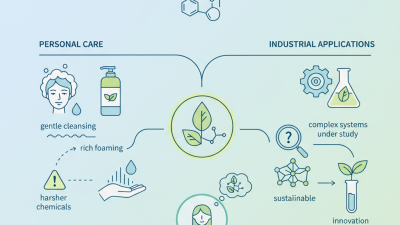
Choosing the right Amino Acid Surfactant can be challenging. Different applications require specific characteristics, such as foam quality, stability, and biodegradability. For example, sodium cocoyl glutamate is renowned for its gentle cleansing properties. However, it may not provide the same foaming ability as other surfactants. Understanding these nuances is crucial to formulating effective and safe products.
While there is a wealth of information available, it's essential to take a tailored approach. Not all amino acid surfactants are equal. An improper choice can lead to ineffective formulations or even skin irritation in sensitive users. Professionals must stay updated with ongoing research and evolving trends to make informed decisions.

Understanding the Basics of Amino Acid Surfactants
Amino acid surfactants are derived from amino acids, making them unique in the surfactant market. These compounds are known for their mildness and versatility, serving various applications in cosmetics, personal care, and household products. A recent report indicates that the demand for amino acid surfactants is projected to grow at a CAGR of 4.5% through 2028. This growth reflects consumers’ shift towards safer and more natural ingredients.
Understanding their fundamentals is crucial. Amino acid surfactants offer excellent foaming properties and skin compatibility. They behave differently from traditional surfactants, which can be harsh. For instance, glycine and alanine-based surfactants are shown to enhance moisture retention. A study published in the Journal of Surfactant Science found that these surfactants can improve the overall stability of formulations. However, not all amino acid surfactants perform equally well in every application.
Selecting the right one requires careful consideration. Factors such as pH stability, viscosity, and foaming characteristics must be evaluated. Certain amino acid surfactants may lack effective cleansing power, leading to less desirable results. It's essential to balance mildness with performance. While the benefits are significant, a nuanced understanding is vital for effective formulation.
Key Properties of Amino Acid Surfactants to Consider
When selecting amino acid surfactants, key properties greatly influence your choice. Their solubility in water is critical. High solubility often means better performance in formulations. Pay attention to the cloud point as well. This indicates how well a surfactant can perform under various temperatures. A lower cloud point may suggest stability, while a high cloud point could indicate limitations in certain applications.
Another essential property is the surface tension reduction capability. Amino acid surfactants with strong surface activity create stable emulsions. Effective emulsification leads to improved product texture and feel. Foam stability is equally important. Some surfactants produce rich, lasting foam while others may not. Evaluating foam behavior can impact consumer satisfaction, especially in personal care products.
Lastly, consider biodegradability. Environmentally friendly options are gaining traction. Amino acid surfactants generally offer better biodegradability compared to traditional surfactants. This makes them appealing for eco-conscious consumers. However, not all formulations are created equal. You may need to experiment to find the right balance between performance and environmental impact. Reflect on your product goals to determine the ideal properties needed for your specific application.
Identifying Your Specific Needs in Surfactant Selection
Identifying your specific needs in surfactant selection is crucial for achieving the desired results. Start by evaluating the application. Are you using the surfactant in personal care, cleaning, or industrial processes? Each area has distinct requirements. Consider factors such as cleaning effectiveness, foaming properties, and skin compatibility.
Tips: Think about the end-user experience. A surfactant for a facial cleanser needs to be mild and kind, while one for a heavy-duty cleaner may prioritize efficacy over gentleness.
Next, analyze the environmental impact. Many users prefer sustainable options. This should influence your choice. Investigate the biodegradability and sourcing of raw materials. Sometimes, cost-effective options might have hidden environmental costs.
Tips: Look for certifications that indicate eco-friendliness. They can guide you toward safer choices.
Lastly, consult with experts or resources. Researching the latest trends in surfactants is beneficial. It fosters informed decisions but requires careful digging. There’s often noise amid the information. Validate from credible sources to limit confusion. Recognizing where your information comes from is essential for progress.
Comparing Different Types of Amino Acid Surfactants
When comparing different types of amino acid surfactants, it's essential to understand their unique properties. Amino acid surfactants derive from natural amino acids, making them gentle yet effective. Some are anionic, while others are non-ionic. Each type offers distinct advantages in various applications.
Anionic surfactants, known for their excellent foaming properties, work well in cleansing products. They can remove oils and dirt effectively. However, they might irritate sensitive skin. Non-ionic surfactants, on the other hand, are milder. They provide moisturizing benefits and are less likely to cause irritation. This makes them suitable for sensitive formulations.
Consider the formulation of your product when making a choice. Compatibility with other ingredients is crucial. The right amino acid surfactant complements your desired skin feel. Many formulations can have unexpected outcomes. Experimentation may be required to achieve the best results. Balancing effectiveness and gentleness is key. Understanding your target audience's needs will guide you in selecting the ideal surfactant.
Practical Applications and Industries Using Amino Acid Surfactants
Amino acid surfactants are versatile ingredients widely used across various industries, thanks to their eco-friendly profile and superior performance. They find applications in personal care, detergents, and other specialty products. In the personal care sector, amino acid surfactants serve as gentle cleansers in shampoos and body washes. A report by the "Global Personal Care Ingredients Market" indicates a consistent growth rate, projected to reach $13 billion by 2025. This growth is driven by the rising demand for sustainable and biodegradable ingredients.
In the household cleaning industry, amino acid surfactants provide excellent foaming and cleaning properties while being mild on surfaces. The "Household Cleaning Products Market" research indicates that the demand for biodegradable cleaning agents is increasing. This shift is partly due to consumer preference for greener products. Amino acid surfactants meet these needs effectively, showing around 30% better biodegradability than traditional surfactants.
Tip: When choosing the right amino acid surfactant, consider your target application and audience. Different formulas may work better for sensitive skin or heavy-duty cleaning tasks.
Some users may find that the performance of amino acid surfactants can vary based on formulation. Experimenting with different concentrations or combinations may yield better results in specific applications. For example, in formulations for oily skin, you might need a higher concentration to achieve desired cleansing effects.