Leave Your Message

Top Cationic Surfactant Manufacturers in China?

Choosing the top Cationic Surfactant manufacturers in China requires more than comparing factory size or website claims. Buyers should examine product consistency, technical support, production controls, and export experience. A reliable supplier can explain active content, pH range, appearance, packaging, and recommended dosage without avoiding difficult questions. Clear answers matter.

Cationic Surfactant products serve several demanding applications, including fabric softeners, hair-care formulas, disinfecting systems, antistatic treatments, and industrial processing. Each use requires different performance indicators. A softener may need a smooth hand feel and stable dispersion, while a personal-care ingredient may require careful purity documentation and compatibility testing. Strong manufacturers usually provide certificates of analysis, safety data sheets, batch records, and practical formulation guidance. Factory audits can also reveal details that brochures hide, such as drum storage conditions, filling accuracy, and laboratory equipment.

However, no shortlist is flawless. Market rankings change, and a polished presentation does not guarantee stable quality. Small trial orders may expose differences in color, odor, viscosity, or active concentration. That is useful evidence. Buyers should compare samples under real production conditions, not only in a laboratory beaker. This guide reviews leading Chinese manufacturers through a practical lens, considering manufacturing capability, quality assurance, customization, communication, and delivery reliability. It also recognizes an important limitation: supplier information may change quickly. Independent verification remains necessary before signing a long-term agreement. The best partner is not always the largest producer. It is the manufacturer that consistently meets your technical, commercial, and compliance requirements.
Top Cationic Surfactant Manufacturers in China?

What Are Cationic Surfactants and How Are They Used?

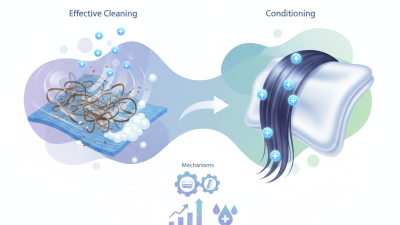
Cationic surfactants are positively charged molecules that reduce surface tension. Their charge helps them attach to negatively charged fibers, hair, skin, and mineral surfaces. Common types include quaternary ammonium compounds, esterquats, and amine salts. They support fabric softening, hair conditioning, antistatic performance, and surface disinfection. Their behavior changes with pH, water hardness, temperature, and formulation compatibility.

According to Grand View Research, the global cationic surfactants market was valued at about USD 3.4 billion in 2023. The report also projects steady growth through 2030, supported by personal care, textile, and institutional cleaning demand. A MarketsandMarkets report identifies conditioning products and textile applications as important consumption areas. However, market figures vary by definition and region. That detail is easy to overlook. Manufacturers in China commonly adjust alkyl chain length, active content, color, and viscosity for different uses. Buyers should request technical data sheets, safety data sheets, impurity limits, and batch testing results before approval.

Tips: Match the surfactant to the substrate. Use esterquats for a softer fabric feel, but verify storage stability. Check compatibility with anionic ingredients, because strong charge interactions can cause precipitation. Test odor, viscosity, biodegradation, and performance after heat aging. Small laboratory trials are useful, yet real production water may behave differently. Do not rely on one test result. Data from ISO, ASTM, or recognized regional methods improves comparison and supplier evaluation.

How to Evaluate Cationic Surfactant Manufacturers in China

Evaluating cationic surfactant manufacturers in China requires more than comparing prices. Examine their production experience, application knowledge, and quality systems. Ask how long they have produced the specific material, not just related chemicals. A capable manufacturer should provide a clear technical data sheet, safety data sheet, certificate of analysis, and batch number traceability. Check key indicators such as active content, moisture, pH, amine value, color, and solidification point.

Request samples from different production batches. One sample is not enough. Test performance in your actual formulation, including foam behavior, compatibility, odor, and storage stability. A reliable supplier should explain test methods and acceptance limits without hiding behind vague language. Review their laboratory equipment, calibration records, retained samples, and complaint-handling process. If possible, arrange a factory audit. Look at raw material storage, mixing control, filling areas, and wastewater management. Small details matter.

Commercial reliability also deserves close attention. Confirm minimum order quantities, lead times, packaging options, export documents, and communication procedures. Ask whether production can remain consistent during peak seasons. A low quotation may reflect efficiency, but it may also conceal weaker controls. That deserves scrutiny. Manufacturers with qualified technical teams can adjust formulas responsibly and explain limitations clearly. Still, no supplier should be trusted after one successful delivery. Use a written evaluation scorecard, approve a trial order, and review results over several shipments. Mistakes happen, even in organized factories. The real test is how openly they correct them.

Leading Chinese Manufacturers of Cationic Surfactants

China has become a major production base for cationic surfactants used in fabric care, personal care, water treatment, and industrial formulations. Grand View Research estimated the global cationic surfactants market at about USD 4.2 billion in 2023. Its forecast also indicates continued growth through 2030, supported by demand for conditioning agents and antimicrobial surface performance.

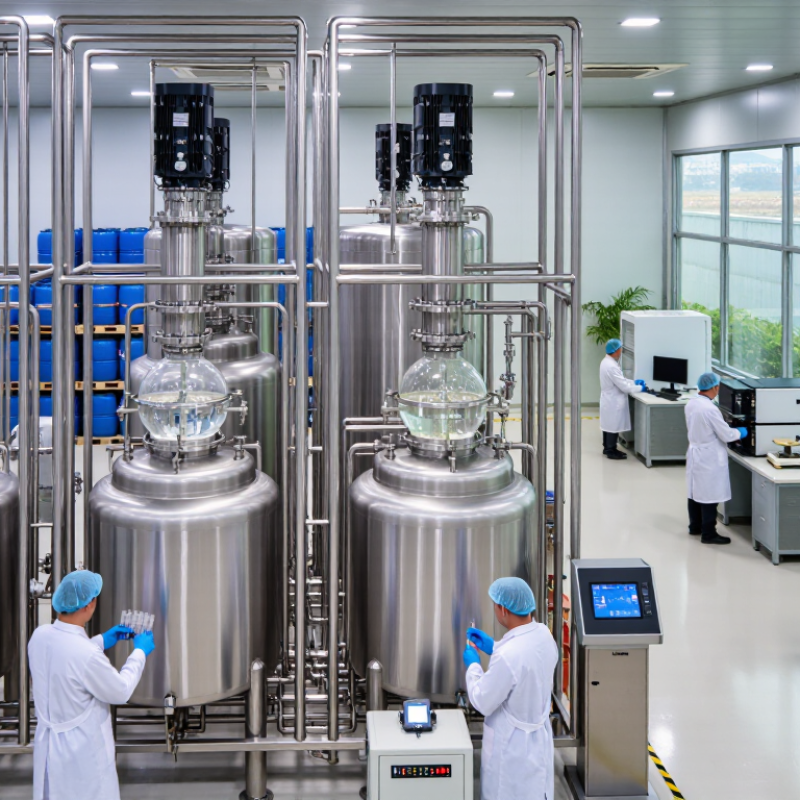
Leading Chinese manufacturers typically compete through flexible production, technical support, and export experience. Common products include quaternary ammonium compounds, esterquats, and cationic polymers. Better suppliers provide batch records, safety data sheets, assay results, and trace-metal testing. Some plants also operate under ISO 9001 systems and maintain controlled reactors, stainless-steel storage tanks, and documented quality checks. These details matter when a formulation must remain stable during long-distance shipping.

The market is not perfectly transparent. Reported capacity may differ from reliable output. A low quotation can hide weaker active content or inconsistent viscosity. Buyers should request recent certificates, sample testing, and production references before approval. Independent reports from MarketsandMarkets and Grand View Research offer useful market direction, but they cannot replace factory audits. In practice, the strongest Chinese manufacturers combine scale with responsive laboratory support. That balance is easy to claim, yet harder to prove.

Top Cationic Surfactant Manufacturers in China? - Leading Chinese Manufacturers of Cationic Surfactants

Cationic Surfactant Category Common Chemical Name CAS Number Typical Commercial Form Typical Active Content Primary Applications Important Quality Indicators
Esterquat Ester-based quaternary ammonium compound Varies by molecular structure Liquid dispersion or paste Typically 70–90% Fabric softeners, textile finishing, institutional laundry products Ester value, amine value, moisture, viscosity, odor, biodegradability profile
Cetrimonium Chloride Hexadecyltrimethylammonium chloride 112-02-7 Aqueous solution or gel Typically 25–30% in standard solutions Hair conditioners, antistatic products, textile auxiliaries, disinfectant formulations Active matter, free amine, pH, color, chloride content, microbiological quality
Behentrimonium Chloride Docosyltrimethylammonium chloride 17301-53-0 Flakes, pellets, or pastilles Typically 80–90% in solid grades Hair conditioners, masks, emulsions, personal-care formulations Purity, melting range, acid value, moisture, color, dispersion performance
Benzalkonium Chloride Alkyldimethylbenzylammonium chloride 8001-54-5 or 63449-41-2 Clear liquid or paste Typically 50–80% Disinfectants, preservatives, water-treatment products, industrial cleaners Active content, homolog distribution, pH, color, antimicrobial efficacy, residual solvents
Didecyldimethylammonium Chloride Didecyldimethyl ammonium chloride 7173-51-5 Aqueous solution or concentrated liquid Commonly 50–80% Disinfectants, industrial sanitation, water treatment, agricultural hygiene products Active matter, homolog profile, pH, density, foam behavior, antimicrobial test results
Distearyldimethylammonium Chloride Dimethyldioctadecylammonium chloride 107-64-2 Paste, flakes, or aqueous dispersion Typically 70–80% Fabric softeners, textile auxiliaries, antistatic agents Active content, moisture, viscosity, free amine, color, softening performance
Stearalkonium Chloride Benzyldimethylstearylammonium chloride 122-19-0 Flakes, paste, or solution Grade-dependent; commonly supplied as a concentrated solid or paste Hair-care products, creams, emulsions, textile treatment Purity, moisture, melting range, color, free amine, emulsion stability
Quaternary Ammonium Silicone Amino-functional silicone quaternary compound Varies by polymer structure Emulsion or high-viscosity liquid Typically 20–60% active dispersion Hair conditioning, textile softening, anti-static and surface-modification treatments Non-volatile content, viscosity, particle size, pH, emulsion stability, conditioning performance

Note: Active-content ranges represent commonly traded commercial grades and may vary according to molecular composition, solvent system, regulatory requirements, and customer specifications. Product selection should be confirmed through the supplier’s current technical data sheet, certificate of analysis, and applicable safety documentation.

What Products and Industries Do These Manufacturers Serve?

Chinese cationic surfactant manufacturers supply more than basic cleaning ingredients. Their product ranges often include alkyl quaternary ammonium salts, esterquats, cationic polymers, emulsifiers, and antistatic agents. These materials can help soften fabrics, improve hair conditioning, reduce static, or stabilize specialty formulations. Some manufacturers also develop low-odor grades and biodegradable ester-based options for changing market requirements.

The textile industry uses cationic agents in softeners, dyeing auxiliaries, and finishing baths. Personal care producers may use them in conditioners, creams, and rinse-off treatments. Home-care companies purchase concentrated ingredients for fabric softeners and surface-care formulas, where permitted by local regulations. Paper mills, water-treatment suppliers, and selected agricultural formulators may require cationic polymers for retention, flocculation, or controlled deposition.

Specifications matter more than a polished catalog. Buyers should check active content, pH, viscosity, residual solvents, color, and storage stability. Reliable manufacturers usually provide batch records, safety data, certificates of analysis, and application guidance. Technical support should include dosage trials, compatibility checks, and packaging advice. Small details matter.

Not every supplier offers consistent performance between batches. A lower price can hide difficult handling or unstable quality. I would request pilot samples and compare results under real processing conditions. Supplier audits, production traceability, and responsive communication also reveal practical capability. Claims about biodegradability or antimicrobial performance need independent testing and regulatory review before commercial use.

How to Choose the Right Chinese Supplier for Your Needs

Choosing among top cationic surfactant manufacturers in China requires more than comparing prices. China accounted for about 44% of global chemical sales in 2023, according to Cefic’s Facts and Figures 2024 report. That scale creates strong capacity, but supplier quality still varies. Ask for the factory address, production capacity, export history, and ownership of the manufacturing site. A trading company may be suitable, but its traceability needs careful checking.

Request recent batch records, not only a polished certificate. Confirm active matter, pH, amine value, moisture, color, and impurity limits. For personal-care or industrial applications, request samples from three separate batches. Compare viscosity after storage, not just appearance on day one. Grand View Research’s 2024 market analysis identifies steady growth in cationic surfactant demand, increasing pressure for reliable and consistent supply. Growth does not guarantee consistency.

Audit the supplier’s quality system against ISO 9001, then inspect calibration records and retention samples. Check whether its safety documents follow the UN GHS framework and match the actual formulation. Production lead time should include raw-material shortages, port delays, and retesting. Get written terms for failed batches, replacement costs, and complaint response times. My checklist is imperfect. I once treated a low price as efficiency, but freight, rework, and delayed approval changed the calculation. A small pilot order is usually wiser than a large first shipment.