Leave Your Message

What Is Grease Moisturizing and How Does It Work?

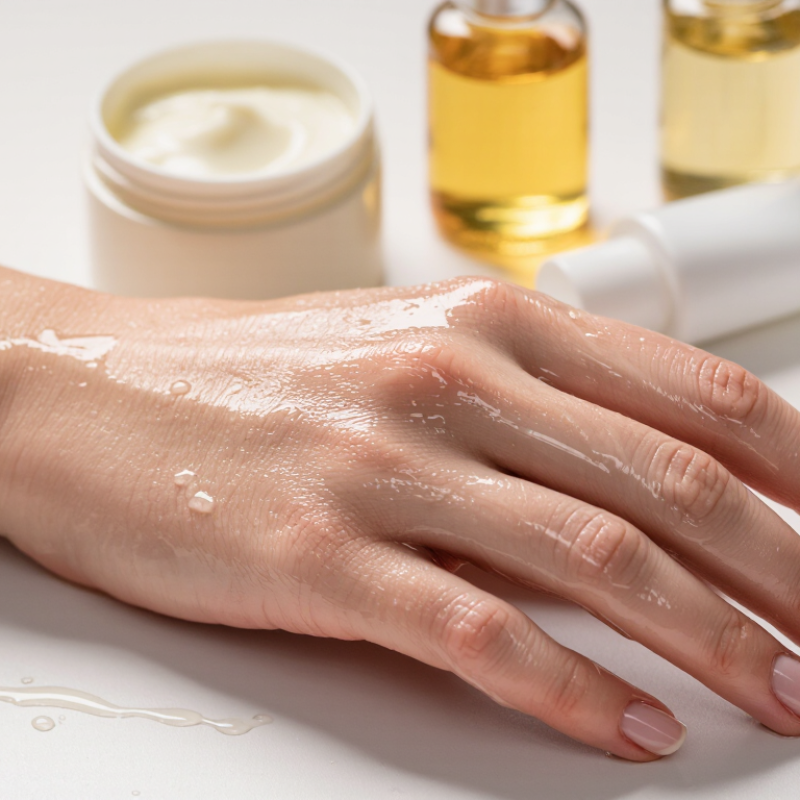
Dry, tight skin often needs more than a light lotion. It may need a protective layer that slows water loss. Grease Moisturizing describes this richer approach, although the term is not a standardized dermatological category. It generally involves occlusive ingredients, such as petrolatum, mineral oil, waxes, or certain plant oils. These materials sit on the skin surface and help reduce transepidermal water loss. The result can feel like a thin, invisible film over rough areas.

The market shows why this subject deserves careful attention. Grand View Research estimated the global skincare products market at approximately USD 155.7 billion in 2023. Its 2024–2030 analysis also projects continued growth, partly driven by products addressing dryness and barrier support. However, market growth does not prove that every greasy formula works equally well. Texture, concentration, application timing, and individual skin condition still matter. A practical distinction.

Dermatology guidance supports richer ointments for very dry skin because they usually seal moisture more effectively than lotions. The American Academy of Dermatology recommends applying moisturizers soon after bathing, while the skin remains slightly damp. That small detail matters. Grease Moisturizing works best when it locks in existing water, rather than trying to add water to already dehydrated skin. This article will examine the mechanism, suitable ingredients, application methods, and possible drawbacks, including clogged-feeling pores, staining, and poor cosmetic comfort. The idea sounds simple, but skin is rarely simple.
What Is Grease Moisturizing and How Does It Work?

Definition and Basic Principles of Grease Moisturizing

What Is Grease Moisturizing and How Does It Work?

Definition and Basic Principles of Grease Moisturizing

Grease moisturizing describes a skin-care method that uses oil-rich ingredients to reduce water loss. These ingredients form a thin, protective layer over the skin surface. Common examples include plant oils, waxes, fatty substances, and petrolatum-like occlusives. The term sounds industrial, but it usually refers to a rich, lipid-based moisturizing texture.

The basic principle is simple. Water naturally escapes through the outer skin layer, especially in dry air or after frequent washing. A greasy moisturizer slows this evaporation by filling tiny surface gaps. It may also soften rough flakes and improve flexibility. Humectants attract water, while occlusives help keep that water from leaving. Many effective formulas use both approaches.

In practice, apply a small amount to slightly damp skin. A pea-sized portion often covers one hand. Too much can feel heavy and may transfer onto clothing or bedding. That is not always a failure. Comfort and consistency matter more than a perfectly dry finish. I have found that elbows, heels, and knuckles often tolerate richer layers than the face. Still, individual skin can react differently. Some people notice clogged pores, irritation, or heat buildup. Patch testing helps reveal those problems before regular use. The label may not always define “grease moisturizing” precisely, so ingredient lists deserve closer attention than marketing language.

Key Ingredients Used in Grease-Based Moisturizers

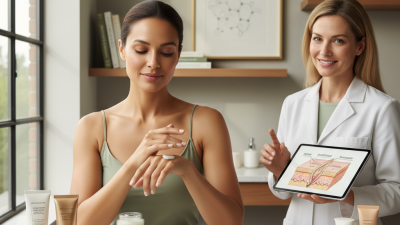
Grease moisturizing relies on occlusion. It forms a thin, water-resistant film over the skin. This slows transepidermal water loss and protects rough, cracked areas. Petrolatum is the strongest common occlusive. Mineral oil adds slip and reduces friction. Lanolin can soften dry skin, although it may irritate allergy-prone users. Dimethicone creates a breathable-feeling barrier with a smoother finish.

The ingredients work differently. Humectants, such as glycerin, pull water toward the outer skin layer. Emollients, including fatty acids and plant oils, fill tiny surface gaps. Grease then seals that moisture in. A 2017 clinical review in the Journal of Clinical and Aesthetic Dermatology describes occlusives as key tools for repairing compromised skin barriers. The American Academy of Dermatology also recommends applying moisturizer to damp skin. Small detail, big effect. Grand View Research valued the global skincare products market at approximately USD 155.7 billion in 2022, showing strong consumer demand for barrier-focused care. Market growth does not prove every formula works, though. That distinction matters.

Tips: Apply a pea-sized amount to damp, clean skin. Use extra on knuckles, heels, and elbows. Patch-test lanolin or fragranced oils first. Avoid heavy grease on acne-prone areas if clogged pores appear. My practical mistake was applying too much at once; a thick layer felt protective, but it transferred onto fabric and encouraged inconsistent use. Ingredients matter. So does daily comfort.

What Is Grease Moisturizing and How Does It Work?

Key Ingredients Used in Grease-Based Moisturizers

Grease-based moisturizers mainly reduce water loss by forming an occlusive layer over the skin. Petrolatum, mineral oil, lanolin, and dimethicone are established occlusive and emollient ingredients. Ceramides help replenish skin-identical barrier lipids, while glycerin attracts and holds water in the outer skin layer. The chart uses a functional indicator: 1 means the ingredient has an established role in that category, and 0 means it is not primarily used for that function.

How Grease Moisturizing Works on the Skin

Grease moisturizing works by slowing water loss from the skin’s surface. Occlusive ingredients, such as petrolatum, waxes, and plant oils, create a thin, flexible film. This film behaves like a raincoat around the outer skin layer. It does not add water directly. Instead, it helps existing water stay inside.

Published barrier research has reported that petrolatum may reduce transepidermal water loss by up to 98% under controlled conditions. This figure comes from studies discussed in the Journal of Cosmetic Science and dermatology literature. Real skin behaves less predictably. Climate, cleansing habits, and the product’s thickness can change results. The greasy sensation is not always a flaw. It often signals stronger surface coverage, especially on cracked hands or very dry elbows.

A practical method is simple. Apply a small amount after bathing, while the skin still feels slightly damp. Humectants can attract water, while greasy occlusives help hold it there. The American Academy of Dermatology recommends moisturizing soon after washing for this reason. Too much product may feel heavy, trap sweat, or cause discomfort in acne-prone areas. I have found that a thin layer often works better than a shiny coating. Skin needs protection, not suffocation. Source: Journal of Cosmetic Science barrier studies; American Academy of Dermatology guidance.

Benefits and Suitable Uses of Grease Moisturizing

Grease moisturizing uses a thick, oil-rich layer to reduce water loss from the skin. Unlike lightweight lotions, it forms a lasting barrier over the surface. Ingredients such as petrolatum, mineral oil, or plant-derived oils can soften rough areas. This method works best when applied to slightly damp skin, because the layer helps hold existing moisture in place.

The benefits are most noticeable on dry hands, elbows, knees, heels, and cracked cuticles. A small amount can protect skin during cold weather, frequent handwashing, or overnight recovery. I often apply a thin layer before bed, then wear clean cotton socks over dry heels. The result feels less elegant, but it is practical. Too much product can make sheets greasy and may feel uncomfortable.

Grease moisturizing is not ideal for every situation. People with oily or acne-prone facial skin may prefer a lighter, non-comedogenic formula. Avoid applying heavy grease over infected, weeping, or freshly injured skin unless a healthcare professional advises it. Fragrance-free products are generally a safer choice for sensitive skin. Patch testing is wise, even with familiar ingredients. I once assumed more grease meant better hydration; it only made my skin feel coated. Consistent, moderate use usually works better. Stop if burning, swelling, or persistent redness appears, and seek professional advice when dryness keeps returning.

Safety Considerations and Proper Application Methods

Grease moisturizing uses an oily, occlusive layer to slow water loss from skin. It works best on slightly damp skin; it does not add water by itself. A thin film is usually enough. Thick layers may feel sticky or aggravate clogged pores for some people. There is no perfect amount for everyone.

Use clean hands and spread a small amount over dry areas after a lukewarm wash. The American Academy of Dermatology recommends applying moisturizer within minutes of bathing, while skin is still damp. Avoid the eyes and areas that remain hot or sweaty. Stop if burning, rash, or swelling develops. Patch-test first. That step is easy to skip.

Evidence supports moisturizers broadly, not every grease-moisturizing method. A 2017 Cochrane review included 77 studies and 6,603 people with eczema. It found that moisturizers generally improved symptoms, though results and study quality varied. Greasy ointments may suit very dry patches, but are not automatically better. The evidence is less tidy than simple skincare advice can sound. Acne-prone facial skin may react poorly, so persistent cracks or worsening itch warrant advice from a healthcare professional.