2026 How to Source High Quality Amino Acid Surfactant?
Amino Acid Surfactant has gained popularity in various industries due to its unique properties. These surfactants are derived from natural amino acids, making them effective and environmentally friendly. Sourcing high-quality amino acid surfactants can be a challenge, especially with the abundance of options available in the market.
Understanding the characteristics of amino acid surfactants is vital. They offer excellent foaming, emulsifying, and cleansing properties. However, not all products labeled as amino acid surfactants meet high standards. Discrepancies in quality can lead to ineffective results in formulations. Therefore, it is important to seek suppliers with a strong reputation and proven track records.
Credibility is key when sourcing these ingredients. Researching manufacturers and suppliers is crucial. Look for those who provide transparent information about their sourcing and production processes. Additionally, consider getting samples before making large purchases. This practical step can help ensure the quality meets your expectations and needs. In an ever-evolving market, staying informed about trends and innovations is essential for success.
Understanding Amino Acid Surfactants and Their Applications
Amino acid surfactants are gaining popularity in various industries. These compounds are derived from amino acids, making them more biodegradable and gentle than traditional surfactants. Their unique properties allow them to effectively reduce surface tension, enhancing the cleaning and emulsifying capabilities of formulations.
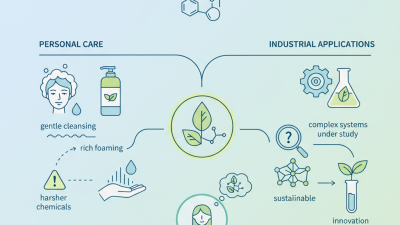
In personal care products, amino acid surfactants improve skin compatibility. They provide mild cleansing without stripping natural oils from the skin. This makes them ideal for sensitive skin formulations. In industrial applications, their ability to work in hard water is beneficial, ensuring efficiency in cleaning processes. However, sourcing high-quality amino acid surfactants can pose challenges. The market is diverse, and not all suppliers meet strict quality standards.
Potential gaps in sourcing can lead to inconsistent product performance. It's crucial to assess suppliers for their quality control measures. Certifications and audits can indicate reliability. Engaging with manufacturers who demonstrate transparency in their ingredient sourcing can enhance product credibility. Ultimately, understanding the nuances of amino acid surfactants helps in making informed sourcing decisions.
Identifying Key Quality Indicators for Amino Acid Surfactants
When sourcing high-quality amino acid surfactants, identifying key quality indicators is crucial. These indicators can greatly influence the performance and safety of the final product. Look for purity levels, as higher purity often correlates with better performance. A surfactant should have minimal impurities to ensure effectiveness and safety.
Additionally, consider the surfactant’s biodegradability. Environmentally friendly options are increasingly important. Buyers often prioritize products that break down easily in nature. Testing methods for biodegradability can provide insights into the surfactant's environmental impact.
Texture and foaming ability are also essential traits. The right amino acid surfactant should produce stable foam and have a pleasant texture. However, it can be challenging to find a balance between foaming and mildness. Sometimes, high foam can lead to irritations, which is a significant consideration. Evaluation through real-world applications can reveal imperfections in features. This insight helps refine the sourcing process.
2026 How to Source High Quality Amino Acid Surfactant? - Identifying Key Quality Indicators for Amino Acid Surfactants
| Quality Indicator |
Description |
Ideal Range |
Testing Method |
| Purity Level |
Percentage of active content in the surfactant |
> 85% |
HPLC |
| pH Level |
The acidity or alkalinity of the surfactant solution |
5.0 - 7.5 |
pH Meter |
| Foaming Ability |
The capacity to produce foam |
>100 ml foam in 1 min |
Foam Test |
| Biodegradability |
The ability to decompose naturally |
> 90% in 28 days |
OECD 301 Test |
| Toxicity Level |
Potential harm to aquatic life |
LC50 > 100 mg/L |
Acute Toxicity Test |
Sourcing Strategies: Where to Find Reliable Suppliers
Finding reliable suppliers for high-quality amino acid surfactants can be challenging. A well-planned sourcing strategy is essential for success. Start by exploring online marketplaces and directories. These platforms often list reputable suppliers, providing valuable insights. Pay attention to reviews and ratings, as they reflect supplier credibility.
Networking is another powerful tool. Attend industry conferences and trade shows to meet potential suppliers face-to-face. This direct interaction can reveal a lot about their quality and reliability. Engaging with experts and peers can lead to recommendations, which often come from trusted sources. Building connections in the industry can provide a safety net when sourcing.
Consider establishing initial contact through inquiries. Ask about their manufacturing processes and quality assurance methods. Take note of their response times and willingness to share information. This can help gauge their professionalism. Be prepared for imperfections in the sourcing process, such as delays or misunderstandings. Reflecting on these experiences can lead to better future decisions in supplier selection.
Amino Acid Surfactant Quality Assessment
This chart represents the quality assessment scores of different suppliers for amino acid surfactants, where a higher score indicates better quality. Companies can use this data to identify reliable suppliers based on the quality of their surfactants.
Evaluating Supplier Certifications and Product Testing Standards
When sourcing high-quality amino acid surfactants, supplier certifications and product testing standards are crucial. Certifications like ISO 9001 ensure consistent quality and management practices. These certifications indicate that the manufacturer adheres to rigorous quality control measures. Moreover, Good Manufacturing Practices (GMP) certification confirms that the products meet safety and effectiveness standards.
Testing standards are also critical in evaluating amino acid surfactants. According to a report by the American Society of Testing and Materials, standardized tests help assess the purity and performance of these surfactants. Reliable testing reveals critical data about the materials used, ensuring they meet industry benchmarks for efficacy. Sadly, some suppliers may skip these tests, leading to potential quality issues.
It’s essential to scrutinize suppliers thoroughly. Not all certifications guarantee product quality. A lack of transparency in the testing process can raise red flags. In the dynamic market of amino acid surfactants, knowing your supplier's credentials can significantly impact product performance and safety. Seek out suppliers who provide detailed testing reports and are willing to discuss their processes openly.
Negotiating Terms and Ensuring Quality Assurance in Purchases
When negotiating terms for sourcing high-quality amino acid surfactants, it is critical to focus on quality assurance. A recent industry report indicates that nearly 40% of suppliers fail to meet stringent quality standards. Therefore, thorough due diligence is necessary. Assess certifications and quality control processes before finalizing any agreements. Ensure suppliers can provide documentation that supports their claims about product purity and efficacy.
Additionally, consider establishing a more collaborative relationship with your suppliers. Regular communication can enhance transparency. It may even lead to more favorable terms in your negotiations. An overwhelming majority of manufacturers, about 70%, have reported that good relationships significantly improve product quality. Remember, it is not just about price; it is about value. Low-cost options might compromise quality and lead to increased expenses down the line.
Monitoring quality through periodic audits is essential. Many companies overlook this, assuming initial inspections are sufficient. The reality is different. Continuous assessment helps to maintain standards and rectify any issues before they escalate. Industry benchmarks indicate that proactive quality management can reduce defects by as much as 30%. Engaging in this practice ensures that the products you source meet your specifications and your customer's expectations consistently.