Leave Your Message
Choosing a Food Additives supplier in 2026 involves more than comparing prices. Buyers need consistent quality, clear documentation, dependable delivery, and products suited to their applications. A powder that performs well in a dry seasoning blend may behave differently in a beverage or bakery formulation. Small details matter.
This guide introduces suppliers serving international buyers and highlights practical points for evaluating them. These include product range, manufacturing capabilities, quality systems, technical support, and the availability of batch-specific documents. A supplier’s response to a sample request can also reveal a lot: Are specifications easy to obtain? Can the technical team explain solubility, dosage, or storage conditions clearly? Those answers deserve attention.
No supplier is ideal for every business. Some excel at specialty ingredients, while others offer broad catalogs or established export operations. Claims on a website are useful starting points, not proof on their own. Buyers should verify certifications, request current specifications, and test materials in their own processes before making larger commitments. Even a promising sample can behave differently at production scale.
There is work involved. This overview is intended to help procurement teams compare options with greater care, not to replace technical review or supplier due diligence. Product requirements, destination-market rules, and documentation needs vary. Confirm them before ordering.
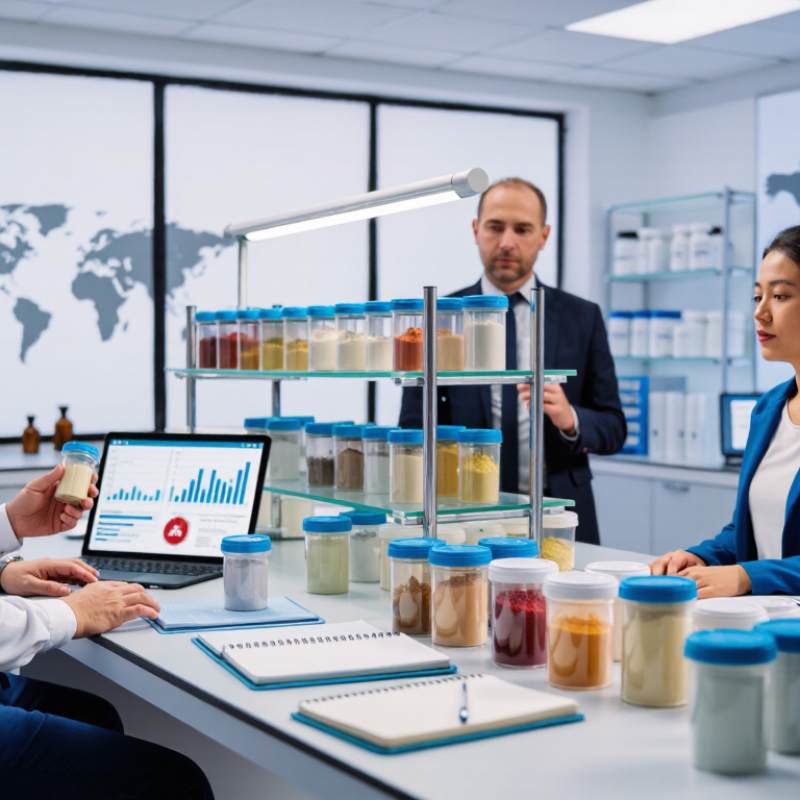
In 2026, the food additives market is being shaped by changing diets, product reformulation, and more demanding supply chains. Buyers are looking for ingredients that support shelf life, texture, color, and consistent performance. Demand can differ sharply between regions, even for similar products. A bakery producer may prioritize dough stability, while a beverage maker needs clear dispersion and a clean finish. Texture matters. Interest in simpler ingredient lists is also influencing product development, but “clean label” has no single meaning everywhere. This shift is not simple.
For global buyers, dependable sourcing involves more than comparing prices. They often assess ingredient specifications, batch consistency, traceability, and the supplier’s ability to manage changing lead times. A sample may perform well in a small test, yet behave differently in a full production run. That gap deserves attention. Regional food preferences and local requirements can also affect which additives are suitable, so technical documents should be reviewed for each market. Freight conditions and harvest variability may influence costs and availability during the year. A low quote can conceal extra testing, delays, or inconsistent batches. Practical supplier reviews should include clear communication, documented quality controls, and realistic delivery commitments.
| Additive Category | Common Examples | Typical Food Applications | Key Purchasing Specifications | Regulatory and Quality Checks | 2026 Buyer Considerations |
|---|---|---|---|---|---|
| Preservatives | Sorbates, benzoates, propionates | Baked goods, beverages, sauces, cheese, and other foods where permitted | Assay, purity, particle size, solubility, packaging, and shelf life | Confirm permitted use, food category, and maximum level in each destination market; request a certificate of analysis | Assess efficacy at the product’s pH and processing conditions; check local labeling requirements |
| Emulsifiers and stabilizers | Lecithins, pectin, carrageenan, guar gum, xanthan gum | Dairy products, plant-based foods, sauces, bakery products, and desserts | Viscosity or gel strength, hydration behavior, source, grade, and batch consistency | Review applicable identity and purity standards, allergen statements, and source declarations | Request application trials and confirm performance across intended temperature, shear, and storage conditions |
| Sweeteners | Stevia extracts, sucralose, aspartame, polyols | Reduced-sugar beverages, confectionery, tabletop products, and packaged foods | Sweetness profile, purity, solubility, taste characteristics, and blending compatibility | Check authorization and use conditions by jurisdiction; verify required ingredient and warning statements | Compare total formulation cost, flavor balance, and stability in the finished product |
| Acidity regulators | Citric acid, lactic acid, phosphates, sodium citrate | Beverages, processed foods, confectionery, and preserved products | Concentration, grade, moisture, particle size, and buffering capacity | Verify food-grade documentation, applicable specifications, and permitted use levels | Evaluate pH control, flavor impact, corrosion risks, and compatibility with the production process |
| Antioxidants | Ascorbic acid, tocopherols, rosemary extracts | Oils, fats, meat products, beverages, and foods susceptible to oxidation | Active content, carrier system, solubility, sensory profile, and stability | Confirm source and processing information where relevant, and review destination-market requirements | Test effectiveness in the actual food matrix and under expected storage and distribution conditions |
| Colors | Carotenoids, anthocyanins, chlorophylls, permitted synthetic colors | Beverages, confectionery, dairy products, sauces, and baked goods | Shade, strength, dispersibility, heat and light stability, and carrier | Check that the specific color and use are authorized locally; confirm labeling and purity documentation | Match the color system to product pH, processing temperature, packaging, and target shelf life |
| Flavor enhancers | Monosodium glutamate, yeast extracts, nucleotide-based enhancers | Seasonings, soups, savory snacks, sauces, and prepared foods | Flavor profile, assay, solubility, salt content, and sensory consistency | Review ingredient declarations, applicable standards, and any market-specific labeling rules | Run sensory comparisons in the finished formula and assess interactions with salt and other flavors |
| Enzymes | Amylases, proteases, lactases, pectinases | Breadmaking, dairy processing, juice clarification, and ingredient production | Activity units, source, temperature and pH profile, formulation, and storage conditions | Confirm food-enzyme status, manufacturing documentation, and any allergen or source declarations | Validate process performance and dosage under plant-scale operating conditions |
| Supplier due-diligence checklist: Request current specifications, certificates of analysis, food-safety certifications, traceability information, allergen statements, country-of-origin details, packaging options, lead times, and change-control procedures. Regulatory approval and permitted use must be confirmed for the specific product and destination market. | |||||