Top Non-Ionic Surfactant Uses in Everyday Products and Applications?
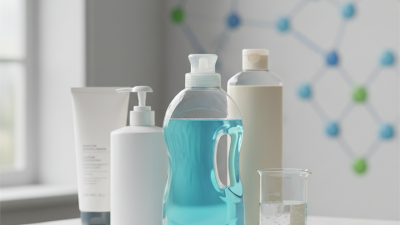
Non-Ionic Surfactants play a crucial role in many everyday products. These surfactants do not carry a charge, making them versatile and effective. They are found in items ranging from household cleaners to personal care products. Their ability to reduce surface tension enhances product performance.
In the cleaning industry, Non-Ionic Surfactants are beloved for their mildness. They can clean surfaces without leaving harsh residues. This makes them suitable for products designed for sensitive skin. Yet, this advantage also raises questions. Are these surfactants truly safe for all skin types? The answer is both yes and no, depending on individual sensitivities.
Moreover, in the world of cosmetics, Non-Ionic Surfactants improve consistency in formulations. They help blend oils with water, creating smoother textures. However, some consumers report that certain products irritate their skin. This highlights a need for better labeling and consumer awareness. Understanding these details can empower users to make informed choices.
Top Non-Ionic Surfactants: Definition and Characteristics
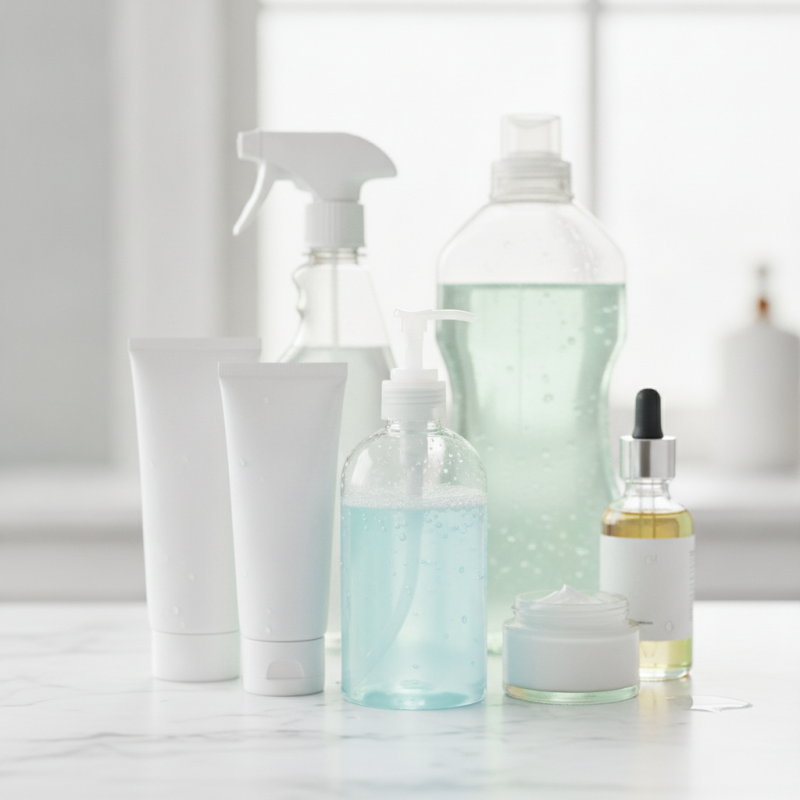
Non-ionic surfactants have unique characteristics that set them apart. They do not carry any charge, making them less irritating. This quality is particularly beneficial in personal care products. Their effectiveness spans various pH levels. This versatility allows them to be used in everything from cleansers to emulsifiers.
According to a report by Grand View Research, the non-ionic surfactant market is projected to reach $12.56 billion by 2027. This growing demand highlights their importance across industries. These surfactants are widely used in household cleaning products, where they help to remove dirt and grease without damaging surfaces. Their gentle nature makes them ideal for use in baby shampoos and face washes as well.
Despite their many advantages, non-ionic surfactants are not without challenges. Their environmental impact requires consideration. Some formulations can lead to foaming in aquatic systems. Proper formulation and usage are essential to mitigate these effects. As the industry progresses, ongoing assessments and innovations will be crucial to enhance their reliability in everyday applications.
Common Household Products Containing Non-Ionic Surfactants
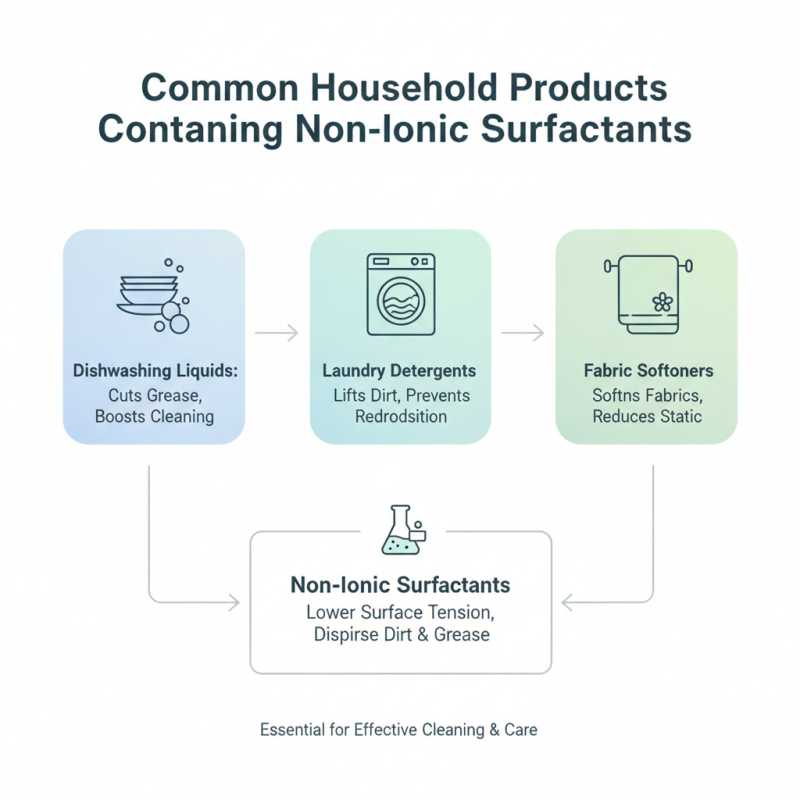
Non-ionic surfactants play a significant role in many household products. They are known for their ability to lower surface tension, making them essential in various applications. You can find them in dishwashing liquids, laundry detergents, and fabric softeners. These surfactants help to disperse dirt and grease, making cleaning more effective.
In personal care items, non-ionic surfactants are common too. They can be found in shampoos, body washes, and facial cleansers. Their mildness makes them suitable for sensitive skin types. However, not all non-ionic surfactants are created equal. Some may cause irritation in individuals with existing skin issues. This highlights the importance of understanding the ingredients in products we use daily.
When considering eco-friendliness, non-ionic surfactants often have a favorable profile. Many are biodegradable and less toxic to aquatic life. Nevertheless, the production process can still have environmental impacts. It’s essential to reflect on these aspects. Users should educate themselves on the products they choose, aiming for a balance between effectiveness and safety.
Industrial Applications of Non-Ionic Surfactants in Manufacturing
Non-ionic surfactants play a crucial role in various industrial applications. They are commonly employed in manufacturing processes due to their versatility and effectiveness. In many formulations, they improve product performance by enhancing wetting, emulsifying, and dispersing properties. These surfactants are widely used in the textile industry, especially in fabric processing. They aid in dyeing and finishing by ensuring even distribution of color and reducing surface tension.
Additionally, non-ionic surfactants are essential in cleaning products. They help remove grease and dirt effectively, making them invaluable in industrial cleaning operations. Their low toxicity and compatibility with various formulations make them favorable for use in household cleaners as well. However, the reliance on these surfactants demands innovation. Manufacturers often need to reflect on the environmental impact of their production methods. The challenge is to find sustainable alternatives that maintain performance without compromising ecological integrity.
Environmental Impact and Safety of Non-Ionic Surfactants
Non-ionic surfactants are widely used in various products, from detergents to cosmetics. Their ability to mix water with oils makes them effective in cleaning applications. However, their environmental impact raises concerns.
Unlike ionic surfactants, non-ionic surfactants may degrade more readily in nature, but they can still pose risks to aquatic life. Their potential to accumulate in ecosystems cannot be ignored.
Safety is another critical aspect. When used in household products, non-ionic surfactants may irritate skin or eyes. Inhalation of aerosols containing these surfactants also poses health risks. Users should be aware of proper handling.
Transparency about ingredients in formulations is vital for consumer safety. Not all users know how to safely use products containing these surfactants. More education is needed.
Environmental regulations are evolving. Companies must adapt to stricter guidelines. This emphasizes the need for ongoing research into safer alternatives. The challenge lies in developing solutions that meet both effectiveness and safety standards.
Balancing performance and safety remains an ongoing concern in the industry.
Future Trends in Non-Ionic Surfactant Development and Use
The development of non-ionic surfactants is evolving rapidly. These surfactants offer unique advantages, making them a popular choice in various industries. Their gentle nature makes them suitable for use in personal care products and household cleaners. This versatility is driving innovation in formulations.
Future trends indicate a growing interest in bio-based non-ionic surfactants. These sustainable alternatives appeal to environmentally conscious consumers. However, transitioning to bio-based options poses challenges, particularly regarding performance and cost. Balancing environmental benefits with functionality requires research and experimentation. The industry must remain adaptable to changing market demands while ensuring product efficacy.
Furthermore, there is a push towards improved safety profiles and reduced toxicity. As regulations tighten, manufacturers must invest in safer ingredients. Research into new sources of non-ionic surfactants may provide more options. This emphasizes the need for continuous improvement and innovation in formulation strategies. The journey of non-ionic surfactants remains fascinating, yet it is important to acknowledge the obstacles ahead.